

Austrostipa
austrostipa
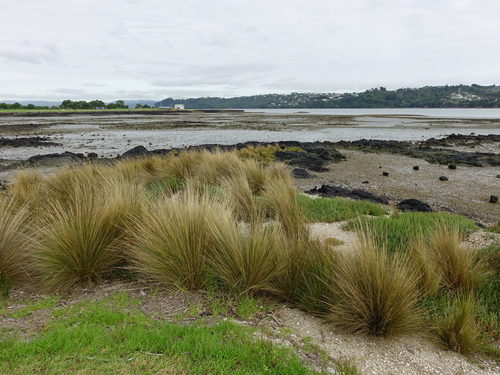
Austrostipa, commonly known as spear grass, is a diverse and ecologically vital genus of perennial tussock grasses native predominantly to Australia. These grasses are a quintessential feature of the Australian landscape, thriving in open woodlands, grasslands, and arid regions where they act as pioneers in disturbed soils and play a critical role in preventing soil erosion. What makes Austrostipa truly fascinating is its highly evolved reproductive strategy: its seeds feature long, twisted, thread-like awns that react dynamically to atmospheric moisture, literally drilling themselves into the ground to ensure successful germination. They serve as essential habitat and food sources for countless native birds, insects, and marsupials.
Habitat: Found in open grasslands, dry woodlands, coastal dunes, and rocky slopes across temperate and semi-arid regions.
Austrostipa species typically form dense, upright tufts or tussocks of narrow, rolled, or flat green leaves. They produce striking, feathery flowerheads (panicles) that can range in color from silvery-white to deep bronze. The most distinctive feature is the seed unit, which consists of a sharp, pointed base (the callus) attached to a long, twisted, needle-like awn that can reach up to 10 cm in length, giving the plant a feathery, hazy appearance when in full bloom.
Category
PlantsRarity
Common
Danger
1/5 · Very low
Snaps
Be the first to snap!
Austrostipa species are excellent soil stabilizers, preventing erosion in dry, windy environments thanks to their extensive root networks.
The sharp seeds can easily penetrate the socks of hikers and the woolly coats of sheep, which helps the plant spread its seeds to new areas.
The twisting action of the seed's awn is so powerful it can even drill through some light fabrics.
The seeds have long, twisted awns that twist and untwist in response to changes in humidity, physically screwing the seed into the soil.
Features deep, opportunistic root systems and tightly rolled leaves designed to minimize transpiration during dry spells.
Quickly resprouts from underground crowns following wildfires, taking advantage of newly cleared space and nutrients.
As a plant, it generates its own energy through photosynthesis, absorbing water and mineral nutrients from the soil while fixing carbon dioxide from the air.

Macropus giganteus
Grazes on the fresh green foliage of the grass tussocks.

Ocyphaps lophotes
Forages on the ground to eat the fallen seeds.
Heteronympha penelope
Larvae feed on the leaves of the grass.
No trait badges are assigned for this object yet.
No aliases listed yet.
Collections for this object will appear here as more themes are added.
Danger
1/5 · Very low
No special safety notes yet.
Compare seed heads, stem shape, how leaves attach, and the joint where leaf meets stem. A patch of mown lawn rarely shows enough for an exact ID. Grass Identifier: upload a photo and compare the visible details.
30-150 cm
5-20 years
As a plant, it generates its own energy through photosynthesis, absorbing water and mineral nutrients from the soil while fixing carbon dioxide from the air.
Found in open grasslands, dry woodlands, coastal dunes, and rocky slopes across temperate and semi-arid regions.
Zoom in to split clusters and explore where this object has been snapped.
Recent snaps will appear here as new observations are added.
Take the discovery with you
Snap it with Snappit to identify it, learn what makes it special, and add the discovery to your collection.