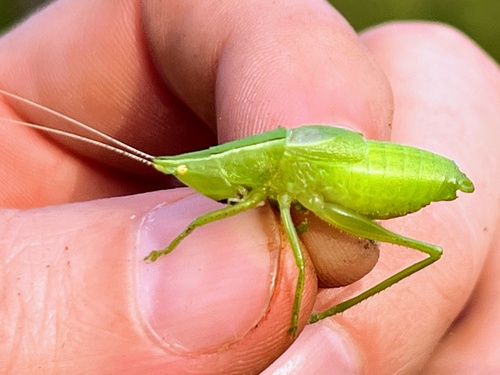





Belocephalus
Belocephalus
Belocephalus is a fascinating insect known for its unique head shape and bright colors. These little creatures can be found in various habitats, making them fun to discover in nature!
Habitat: Gardens and meadows
The Belocephalus is a planthopper with an elongated, often pointed or keeled head structure that can make it resemble a plant bud or thorn. Its body typically displays mottled greens, browns, and grays, helping it blend seamlessly into its leafy surroundings. Its clear, often patterned wings fold neatly over its back.
Category
InsectsRarity
Common
Danger
1/5 · Very low
Snaps
Be the first to snap!
Belocephalus nymphs sometimes wear fluffy, waxy "capes" to confuse predators!
Even with wings, they often prefer to disappear with an incredible, lightning-fast leap!
Their unique head can look exactly like a broken twig or plant thorn!
They send secret messages to each other by vibrating through plant stems!
Belocephalus has cryptic coloration and body shapes that help them blend perfectly with plants to avoid predators.
Belocephalus can launch itself with powerful hind legs to escape danger quickly, making it hard to catch.
Belocephalus uses a specialized proboscis to sip sap from plants, getting all its nutrients directly from the stem.
These insects are plant-lovers that sip nutrient-rich sap directly from plant stems and leaves.
Mangifera indica
Feeds on sap from mango trees in tropical areas.
Anolis carolinensis
Small lizards often prey on planthoppers for food.
Misumena vatia
Camouflaged spiders ambush planthoppers on flowers.
Social animals live in organized groups, cooperating for survival benefits such as foraging, defense, and raising offspring.
Camouflaged describes organisms that possess coloring or patterns that allow them to blend into their environment.
Colorful describes organisms or objects displaying a wide range of bright and distinct colors.
This trait characterizes organisms whose diet consists entirely or primarily of plant material.
Describes plants that are particularly attractive and beneficial to a wide range of pollinating organisms.
Diurnal animals are primarily active during daylight hours, typically resting or sleeping at night.
This trait identifies organisms that exhibit exceptional swiftness in movement for hunting, escape, or travel.
Describes organisms that transfer pollen, enabling the fertilization and reproduction of plants.
No aliases listed yet.
Danger
1/5 · Very low
Be gentle and watch where you step to protect these tiny insects.
Look for six legs, antennae, three body sections and the shape of the wings. Beetles have hardened front wings; flies have just one working pair. Tiny insects may need a close view before their group is clear. Insect Identifier: upload a photo and compare the visible details.
10-30 mm
5-15 mm
30-90 days
These insects are plant-lovers that sip nutrient-rich sap directly from plant stems and leaves.
Gardens and meadows
6
Zoom in to split clusters and explore where this object has been snapped.
Recent snaps will appear here as new observations are added.
Take the discovery with you
Snap it with Snappit to identify it, learn what makes it special, and add the discovery to your collection.