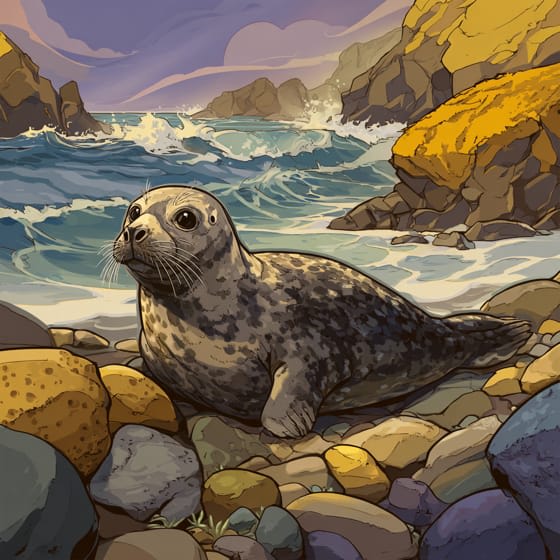





Gray Seal
Halichoerus grypus
Gray seals are large seals found in cold waters. They have long noses and thick fur.
Habitat: Coastal waters and rocky shores.
The Gray Seal has a robust, torpedo-shaped body, typically mottled gray or brownish with darker spots. Males often exhibit a more elongated, horse-like snout. Pups are born with a soft, fluffy white coat, which they shed after a few weeks to reveal their adult coloration.
Category
MammalsRarity
Common
Danger
3/5 · Moderate
Snaps
3
A baby gray seal can nearly double its weight in just three weeks!
Gray seals can travel hundreds of miles from their breeding grounds to find tasty food.
Male gray seals have a unique, long snout that makes them look a bit like a horse!
They can sometimes be seen sleeping upside down at the surface of the water!
Gray Seals can dive over 400 meters deep and hold their breath for up to 20 minutes to hunt fish in the ocean.
Gray Seals have super sensitive whiskers that help them detect fish movements in dark or murky water, even without seeing them.
Gray Seals have a thick layer of blubber that insulates them, keeping them warm even in freezing Arctic and North Atlantic waters.
Gray seals are expert hunters, eating a variety of fish and other sea creatures they catch underwater.
Age differences: Pups drink rich milk; adults eat a diverse range of fish and some invertebrates.
Orcinus orca
Large marine predator that occasionally hunts gray seals.
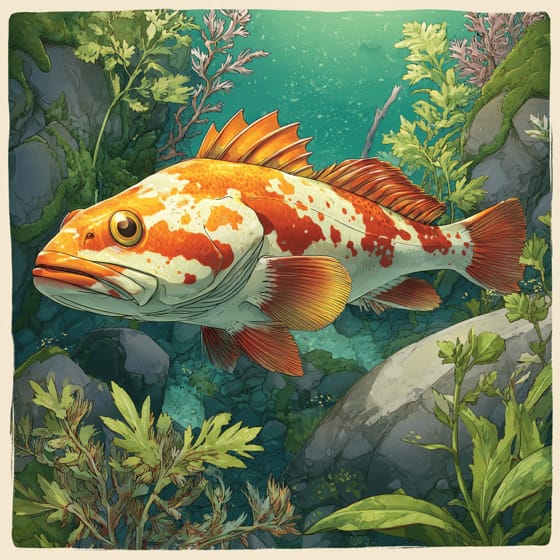
Gadus morhua
A primary prey species for gray seals in many parts of their range.
Squalus acanthias
Often preyed upon by gray seals, particularly larger individuals.
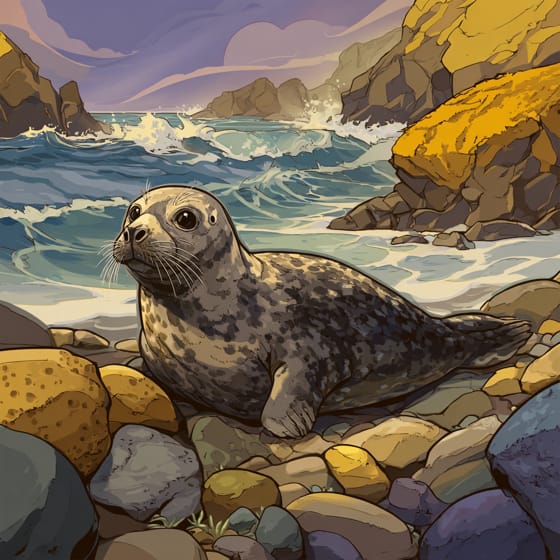
Halichoerus grypus
Young or sick seals can be prey for large sharks.
Wildlife encompasses all undomesticated animal and plant life existing in their natural habitats.
Furry describes animals possessing a dense covering of soft hair or fur.
Characterized by having toes connected by a membrane, typically aiding in swimming.
Possessing prominent sensory hairs or vibrissae, often around the snout.

Social animals live in organized groups, cooperating for survival benefits such as foraging, defense, and raising offspring.

Piscivorous organisms are animals that primarily subsist on a diet of fish.

Coastal habitats are dynamic environments located along the interface between land and sea, influenced by tides, waves, and saltwater.

Aquatic habitats encompass environments where organisms live predominantly in water, including oceans, rivers, lakes, and wetlands.
Danger
3/5 · Moderate
Observe from a distance — seals can bite.
The easiest way to identify Gray Seal is to use the Snappit nature identifier app.
165-330 cm
105-400 kg
25-40 years
35 km/h
Gray seals are expert hunters, eating a variety of fish and other sea creatures they catch underwater.
Coastal waters and rocky shores.
Pursuit
Zoom in to split clusters and explore where this object has been snapped.

US
You might spot Common Eider, American Herring Gull, and Common Periwinkle.
View guide →

District of Columbia, US
You might spot Giant Panda, Red Panda, and Asian Elephant.
View guide →

Illinois, US
You might spot African Lion, African Penguin, and Gorilla.
View guide →

England, UK
You might spot Blacktip Reef Shark, Gentoo Penguin, and Sea Turtle.
View guide →
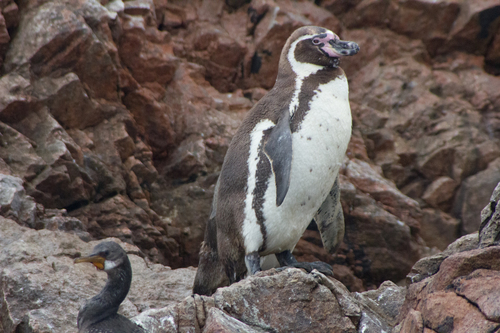
New York, US
You might spot Humboldt Penguin, Sea Lion, and Harbor Seal.
View guide →

Massachusetts, US
You might spot Crab, Lobster, and Horseshoe Crab.
View guide →
Take the discovery with you
Snap it with Snappit to identify it, learn what makes it special, and add the discovery to your collection.





.jpg&width=800)



.JPG&width=800)



.jpg&width=800)
