





African Lion
Panthera leo
African lions are powerful big cats and live in groups called prides.
Habitat: Grasslands and savannas of Africa.
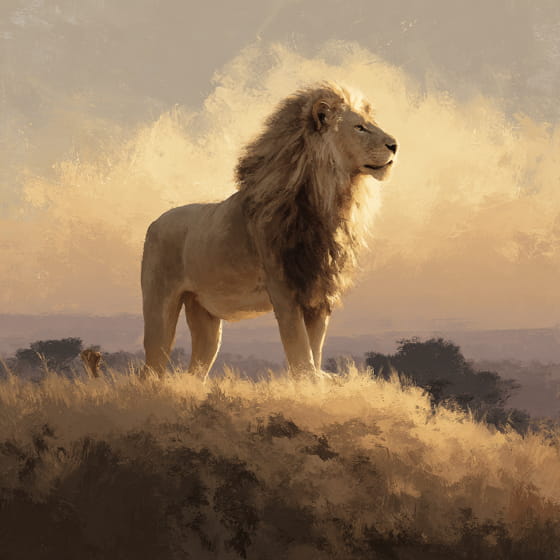
The African Lion has a tawny yellow to golden-brown coat, blending perfectly with savanna grasslands. Males possess a distinctive, often dark and shaggy mane that encircles their head and shoulders. Their long tail ends with a characteristic black tuft.
Category
MammalsRarity
Common
Danger
5/5 · Extreme
Snaps
Be the first to snap!
A group of lions is called a pride, not a herd or a pack!
Lion cubs are born blind and cannot see for about a week.
Lion tongues are so rough they can lick skin off bones!
Male lions defend the pride's territory with loud, powerful roars.
African Lions can produce a powerful roar that travels up to 8 km, helping them communicate and mark territory.
African Lions have excellent night vision because their eyes are adapted for low light, crucial for hunting after dark.
African Lions hunt cooperatively in groups, allowing them to take down much larger prey than hunting alone.
African Lions have incredibly strong jaws and teeth that help them crush bones and tear through tough hides.
Lions are powerful carnivores, hunting large animals to sustain their pride.
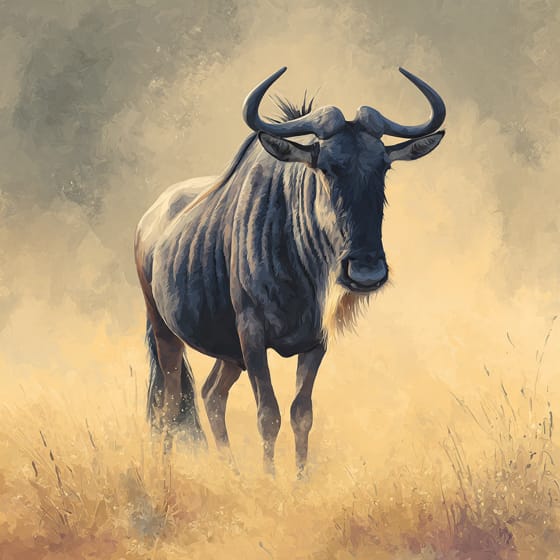
Connochaetes taurinus
A primary prey animal.

Equus quagga
Frequently hunted for food.

Syncerus caffer
A challenging but rewarding prey.
Crocuta crocuta
Fierce competitors for food and territory.
Wildlife encompasses all undomesticated animal and plant life existing in their natural habitats.
Furry describes animals possessing a dense covering of soft hair or fur.
Possessing prominent sensory hairs or vibrissae, often around the snout.
Social animals live in organized groups, cooperating for survival benefits such as foraging, defense, and raising offspring.
This habitat trait denotes species native to savannas, which are grasslands with scattered trees, typically found in tropical or subtropical regions with distinct wet and dry seasons.

This trait identifies organisms whose diet consists entirely or primarily of animal tissue.

Describes a species whose presence and role have a disproportionately large effect on its environment.

Threatened status denotes a species likely to become endangered in the foreseeable future without effective conservation interventions.
Danger
5/5 · Extreme
Extremely dangerous predator.
The easiest way to identify African Lion is to use the Snappit nature identifier app.
140-250 cm
120-250 kg
10-14 years
80 km/h
Lions are powerful carnivores, hunting large animals to sustain their pride.
Grasslands and savannas of Africa.
Ambush
Zoom in to split clusters and explore where this object has been snapped.
Recent snaps will appear here as new observations are added.

Michigan, US
You might spot African Lion, Komodo Dragon, and Brown Bear.
View guide →

Texas, US
You might spot Giraffes, African Lion, and Eastern Black Rhinoceros.
View guide →
Ohio, US
You might spot African Lion, Tiger, and Snow Leopard.
View guide →
Louisiana, US
You might spot African Lion, Jaguar, and American Alligator.
View guide →
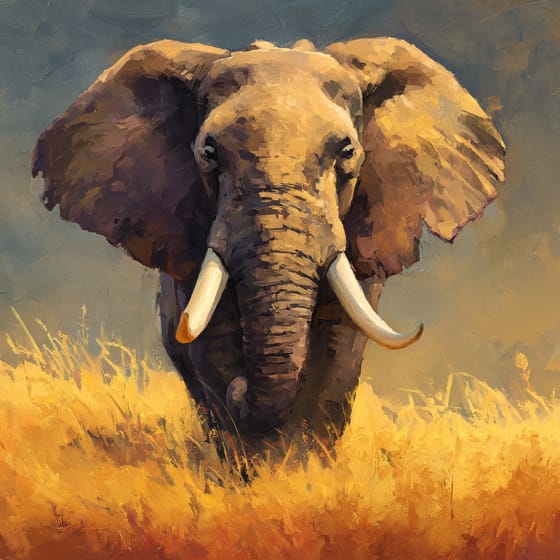
Alabama, US
You might spot African Elephant and Reticulated Giraffe.
View guide →
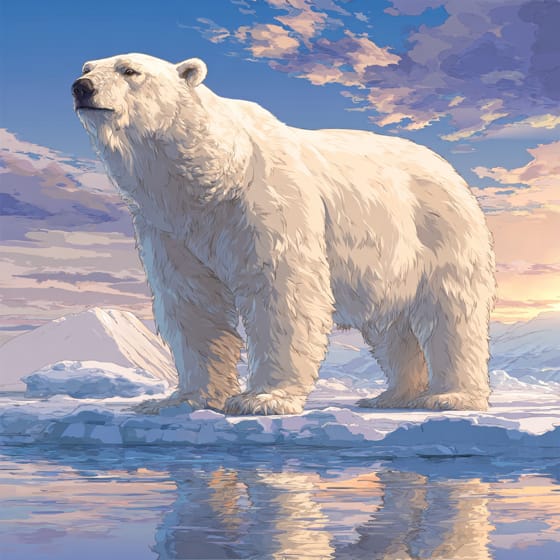
New York, US
You might spot Polar Bear, Snow Leopard, and African Lion.
View guide →
Take the discovery with you
Snap it with Snappit to identify it, learn what makes it special, and add the discovery to your collection.




.jpg&width=800)



.JPG&width=800)



.jpg&width=800)
