




Camarasaurus
Camarasaurus supremus
Camarasaurus was a prehistoric dinosaur known for its distinctive features. Scientists study its bones to learn about how dinosaurs lived.
Habitat: Mesozoic forests and floodplains
The Camarasaurus is a large, sturdy sauropod with a relatively short, boxy skull and a shorter, thicker neck compared to other long-necked dinosaurs. Its sturdy limbs were nearly equal in length, giving it a somewhat squat appearance. It had distinctive broad, spoon-shaped teeth.
Category
AncientRarity
Common
Danger
1/5 · Very low
Snaps
Be the first to snap!
Even though it was enormous, its brain was only about the size of a grapefruit!
It lived at the same time and in the same places as the fierce hunter Allosaurus!
Its name means "chambered lizard" because its huge backbones had hollow, air-filled spaces!
This giant dinosaur swallowed stones, called gastroliths, to help grind tough plants in its stomach!
Camarasaurus could reach high branches because of its sturdy, muscular neck that helped it browse tall foliage.
Camarasaurus had broad, spoon-shaped teeth that helped it strip tough leaves and branches from plants.
Camarasaurus had front legs nearly as long as its hind legs, which helped distribute its massive weight for stability.
Camarasaurus had hollow, air-filled spaces in its vertebrae that helped lighten its huge skeleton.
This gentle giant was a plant-eater, using its strong teeth to strip leaves and browse on high branches.
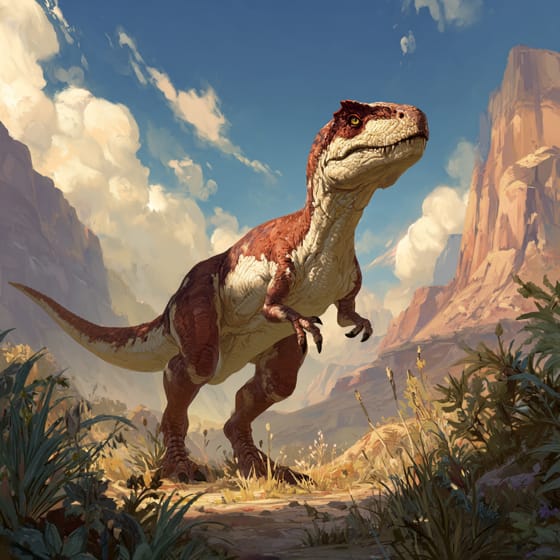
Allosaurus fragilis
Juveniles or sick adults might have been prey.
Ginkgo biloba
Its broad teeth were adapted for stripping leaves from these trees.
Araucaria mirabilis
It browsed on the tough needles and branches of these conifers.
Ancient refers to organisms, objects, or geological formations that have existed for an extremely long period.
An artifact is an object made or modified by human culture, typically of historical or archaeological interest.
Armored describes animals protected by a hard, external covering or shell for defense.
A fossil is the preserved remains or traces of an ancient organism embedded in rock or other geological deposits.
No aliases listed yet.
Danger
1/5 · Very low
While extremely dangerous in their time, this creature is now extinct.
The easiest way to identify Camarasaurus is to use the Snappit nature identifier app.
15-23 m
18000-30000 kg
This gentle giant was a plant-eater, using its strong teeth to strip leaves and browse on high branches.
Mesozoic forests and floodplains
Grazing
Mesozoic (Late Jurassic)
145
Zoom in to split clusters and explore where this object has been snapped.
Recent snaps will appear here as new observations are added.
Take the discovery with you
Snap it with Snappit to identify it, learn what makes it special, and add the discovery to your collection.