Sea Lion

The Queens Zoo, nestled within Flushing Meadows-Corona Park in New York City, offers an intimate and engaging wildlife experience focused primarily on animals native to the Americas.
The Queens Zoo, nestled within Flushing Meadows-Corona Park in New York City, offers an intimate and engaging wildlife experience focused primarily on animals native to the Americas. It stands apart with its naturalistic habitats, designed to immerse visitors in diverse American ecosystems, from the Great Plains to a rocky California coast and a Northeast forest. Visitors can wander through thoughtfully designed exhibits, encountering magnificent creatures such as American bison, agile pumas, and the world's only bear species native to South America, the Andean bear. The zoo's manageable size makes it an ideal destination for families with young children, providing a fulfilling experience without being overwhelming.
One of the zoo's most iconic features is its historic Geodesic Dome Aviary, a relic from the 1964 World's Fair, now housing a vibrant collection of birds from the Western Hemisphere. The immersive aviary allows guests to walk among diverse avian residents, including colorful macaws and various waterfowl, offering fantastic photographic opportunities. Central to the visitor experience is also the lively Sea Lion Pool, where daily feeding sessions provide entertaining displays of these intelligent marine mammals. Beyond the "wild side," the Queens Zoo also features a charming Domestic Animal Farm, where children and adults alike can get up close with friendly farm animals, including rare breeds, offering a delightful hands-on experience.
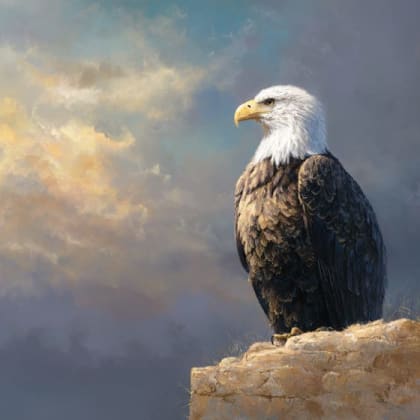
Visiting the Queens Zoo is an opportunity to connect with wildlife, learn about conservation efforts, and appreciate the biodiversity of the American continents. Its compact layout ensures that every corner holds a new discovery, from the elusive Canadian lynx to the tiny Southern pudu, the world's smallest deer. Whether observing a bald eagle soaring in its spacious habitat or watching a Chacoan peccary root around, the zoo provides a memorable educational and recreational outing for all ages, fostering a deeper appreciation for the animal kingdom. Explore the grounds like a pro—download the Snappit app to instantly identify animals and plants.
The Queens Zoo has a unique history deeply tied to Flushing Meadows-Corona Park and the 1964 New York World's Fair. Plans for a zoo in Queens, the last New York City borough to get its own, were announced in 1964 by Parks Commissioner Robert Moses. Construction began in 1966, with the Heckscher Children's Farm opening first in February 1968, followed by the rest of the Flushing Meadows Zoo in October 1968. Distinct from traditional caged zoos, it was designed from the start with naturalistic, open-air habitats focused on North American animals. A significant architectural highlight, the geodesic dome that now serves as the aviary, was originally the Winston Churchill Pavilion during the 1964 World's Fair, designed by Buckminster Fuller, and was later repurposed for the zoo. After facing challenges and falling into disrepair in the 1970s, the zoo underwent a major $16 million renovation and redesign, reopening in 1992 under the management of the Wildlife Conservation Society (WCS), with an expanded focus on American species.
Beyond animal viewing, catch a sea lion feeding, pet farm animals, explore the historic aviary, and seek out specific species like the bald eagle or burrowing owls.
The zoo operates year-round. While animals may be more active in cooler weather, the aviary can feature colorful parrots during warmer months. Some outdoor exhibits might have less activity in extreme temperatures, but the indoor attractions and overall experience remain enjoyable.
The Queens Zoo is committed to accessibility, with all buildings being wheelchair-accessible and main paths being flat and paved. The zoo allows strollers and traditional mobility devices, including manually-operated and power-driven wheelchairs. Accessible restrooms with baby-changing stations are available. For guests with sensory sensitivities, quiet zones and headphone zones are designated throughout the park. Personal Care Assistant (PCA) accommodations are available for guests with disabilities who require assistance, though advance reservations are recommended. A limited number of free wheelchairs are available on a first-come, first-served basis.
Enjoy the playful California sea lions, especially during their popular feeding demonstrations (check daily schedule for times).
Walk through this historic structure, experiencing diverse bird species flying freely.
Observe the only bear species native to South America, a focus of the zoo's conservation efforts.
Interact with various farm animals, including rare breeds like Jacob's four-horned sheep and Flemish giant rabbits.
Each card links to a full Explore page with photos, traits, and fun facts.
Start with the big picture, then zoom in to explore individual wildlife observations around this place.
Arrive Early for Parking
Free parking is available, but spots fill up quickly, especially on weekends. Arriving early will increase your chances of finding a spot.
Check Daily Schedules
Consult the zoo's website or signage upon arrival for sea lion feeding times and other potential events to plan your visit accordingly.
Wear Comfortable Shoes
You'll be doing a good amount of walking on paved paths, so comfortable footwear is essential.
Pack Snacks and Drinks
On-site food options are limited and can be expensive; bringing your own can enhance your visit and save money.
Revisit Exhibits
If an animal isn't visible during your first pass, consider circling back later, as animals may become more active or visible at different times.
Utilize Accessibility Features
If you or a family member has mobility challenges, take advantage of the paved paths, benches, accessible restrooms, and available wheelchairs. For sensory needs, look for quiet zones.
Mar 2, 2026
Feb 28, 2026
Feb 28, 2026
Feb 28, 2026
Feb 28, 2026

Michigan, US
You might spot African Lion, Komodo Dragon, and Brown Bear.
View guide →
.jpg)
Municipal District of Cobh, IE
You might spot Ring-Tailed Lemur, Giraffes, and Cheetahs.
View guide →

Nouvelle-Aquitaine, FR
You might spot Greater Flamingo, Giraffes, and Red Panda.
View guide →

Texas, US
You might spot Giraffes, African Lion, and Eastern Black Rhinoceros.
View guide →
Take the discovery with you
Identify the wildlife you spot, learn as you go, and keep a collection of the adventure.