
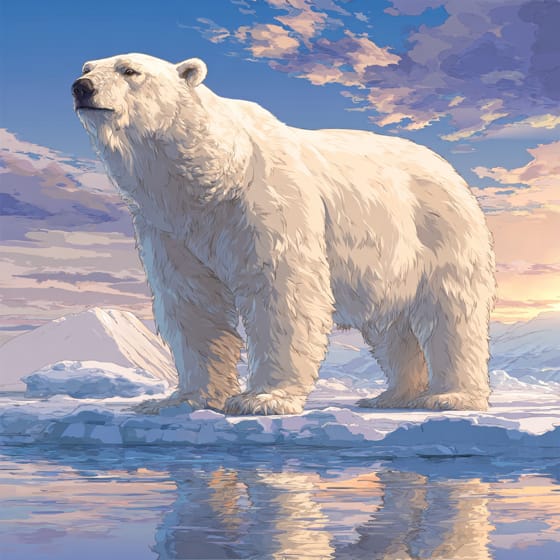
Polar Bear
Nestled amidst the natural boreal forest of Anchorage, the Alaska Zoo offers a captivating and intimate encounter with both native and exotic wildlife, all within a setting that emphasizes education and conservation.
Nestled amidst the natural boreal forest of Anchorage, the Alaska Zoo offers a captivating and intimate encounter with both native and exotic wildlife, all within a setting that emphasizes education and conservation. This unique 25-acre haven isn't just a place to observe animals; it's a sanctuary for creatures who have often been orphaned or injured, providing them a second chance at life. A visit to the Alaska Zoo is like a tranquil walk through the woods, with gravel trails winding past thoughtfully designed habitats. You'll marvel at an impressive array of animals native to Alaska, including the majestic brown bears and American black bears, the elusive gray wolf, and the iconic moose and caribou. Keep an eye out for the adorable North American river otters playfully navigating their watery environments, or the fascinating wolverine.
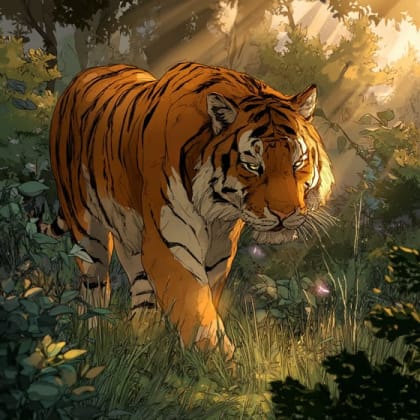
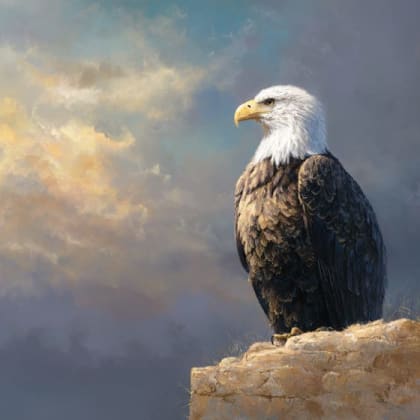
The zoo also showcases various birds of prey, such as the powerful bald eagle and golden eagle, and several species of owls. Beyond the Alaskan residents, you'll discover cold-weather species from around the globe, like the magnificent Amur tigers, the rare snow leopard, and the distinctive Bactrian camels and yaks, all thriving in environments that mimic their natural homes. The Alaska Zoo is committed to promoting conservation through research, education, and animal rehabilitation. Many of its residents arrived after being rescued, underscoring the zoo's vital role in wildlife protection.
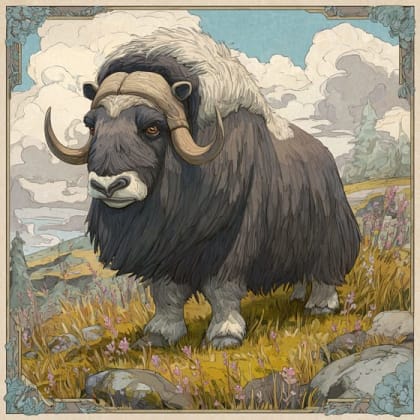
Educational signage throughout the zoo shares each animal's unique story and highlights ongoing conservation efforts, making every encounter a learning opportunity. The zoo actively participates in programs like the Species Survival Program for tigers and snow leopards, and partners with Polar Bear International for polar bear conservation. Whether you're observing a polar bear in its snowy habitat, watching the playful antics of a red fox, or admiring the impressive stature of a muskox, the Alaska Zoo provides a memorable and educational experience. It's a place where visitors can connect with nature, understand the challenges facing wildlife, and appreciate the dedicated work involved in protecting these incredible creatures. Explore the grounds like a pro—download the Snappit app to instantly identify animals and plants.
The Alaska Zoo's origins are as unique as its setting, stemming from an unexpected contest prize in 1966. Anchorage grocer Jack Snyder won a choice between $3,000 or a baby elephant, and he chose the latter: a female Asian elephant named Annabelle. Initially housed at the Diamond H Horse Ranch, Annabelle's popularity quickly grew, inspiring the ranch owner, Sammye Seawell, to establish a non-profit organization. This led to the founding of the Alaska Children's Zoo in 1969, with Annabelle and other rescued animals as its first residents, including a black bear, a seal, an Arctic fox, and some goats. The zoo's name officially changed to the Alaska Zoo in June 1980. Over the years, it has continued to grow, becoming a vital center for wildlife rehabilitation and conservation.
Observe the diverse collection of Alaskan native animals such as brown bears, American black bears, gray wolves, moose, caribou, muskoxen, Dall sheep, and river otters. Encounter exotic cold-climate species like Amur tigers, snow leopards, Bactrian camels, and yaks. Enjoy guided tours, animal feeding sessions, and educational programs, especially during the summer. Visit the gift shop for unique souvenirs and grab a coffee at the coffee shop.
Summer (May-September): Animals are generally more active, and the weather is pleasant for exploring the outdoor exhibits. Special events, educational programs, and behind-the-scenes tours are often available. Winter (November-March): The zoo transforms into a serene, snow-covered landscape. "Zoo Lights" is a popular seasonal event, and animal displays and lecture series are held. Dress warmly, as most exhibits are outdoors.
The Alaska Zoo has 30 acres of gravel trails winding through the boreal forest. While trails are maintained year-round, some areas may have deeper gravel. An all-terrain wheelchair is available on a first-come, first-served basis, though it requires someone to push it. Mobility cart rides can also be scheduled in advance with a volunteer or staff driver for a fee. There is at least one hill near the tiger habitat with an alternate route indicated at the black bear bridge.
Polar Bear habitat, home to Cranbeary and her cub Kova
Amur tigers and snow leopards, which are part of the Species Survival Program
Brown bears
Moose
Each card links to a full Explore page with photos, traits, and fun facts.
Start with the big picture, then zoom in to explore individual wildlife observations around this place.
Dress in Layers
Given Alaska's variable weather, wearing layers is recommended, especially since most exhibits are outdoors.
Check Seasonal Hours
The zoo's hours can vary significantly by season; check their website before your visit for the most current information.
Consider Guided Tours
For a more in-depth experience, especially in summer, look into guided tours or animal feeding sessions.
Stay on Trails and Respect Animals
For your safety and the well-being of the animals, always stay on designated trails and avoid feeding or disturbing the wildlife.
Utilize the Free Summer Shuttle
If visiting between May and August, take advantage of the free shuttle service operating on specific days from Anchorage city to the zoo (online reservations required).
Explore Accessibility Options
If you or someone in your group has mobility needs, inquire about the all-terrain wheelchair or reserve a mobility cart ride in advance.
Feb 14, 2026
Feb 14, 2026
Feb 13, 2026
Jan 31, 2026
Jan 30, 2026

Michigan, US
You might spot African Lion, Komodo Dragon, and Brown Bear.
View guide →
.jpg)
Municipal District of Cobh, IE
You might spot Ring-Tailed Lemur, Giraffes, and Cheetahs.
View guide →

Nouvelle-Aquitaine, FR
You might spot Greater Flamingo, Giraffes, and Red Panda.
View guide →

Texas, US
You might spot Giraffes, African Lion, and Eastern Black Rhinoceros.
View guide →
Take the discovery with you
Identify the wildlife you spot, learn as you go, and keep a collection of the adventure.