





Snowshoe Hare
Lepus americanus
The Snowshoe Hare is a fluffy rabbit that loves to hop around in snowy places. Its big feet help it walk on top of the snow, and it changes color with the seasons!
Habitat: Forest and tundra
The Snowshoe Hare has large, furry back feet and striking fur that changes from reddish-brown in summer to pure white in winter. It has a shorter tail and ears compared to other hares, and often appears stocky.
Category
MammalsRarity
Common
Danger
1/5 · Very low
Snaps
16
Snowshoe Hares sometimes eat their own soft droppings to get extra nutrients from their food.
Their big ears can swivel all around to hear predators approaching from far away!
These hares are mostly solitary, preferring to live alone in their forest homes.
They communicate danger to other hares by thumping their large back feet on the ground.
Snowshoe Hare can change its fur color from brown to white because of seasonal changes that helps them blend into their surroundings.
Snowshoe Hare has huge, furry back feet that helps them walk on deep snow without sinking and reach food.
Snowshoe Hare can make incredibly fast zig-zag leaps because of powerful leg muscles that helps them escape predators.
These plant-eaters munch on various plants, twigs, and bark, especially in winter.
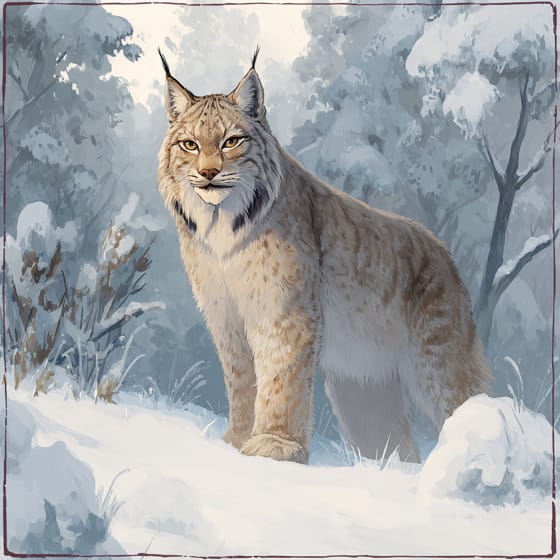
Lynx canadensis
a primary food source for lynx
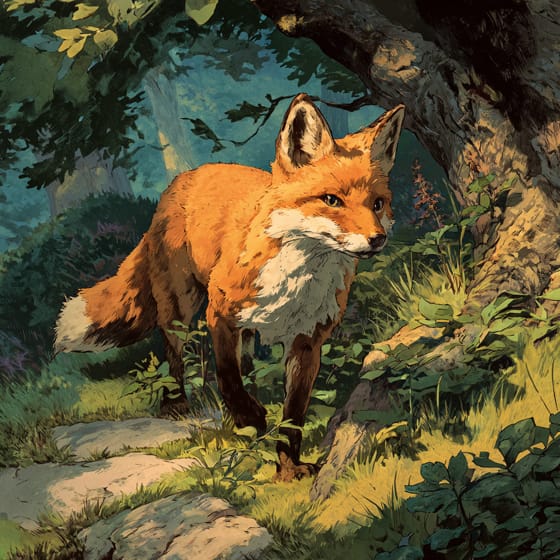
Vulpes vulpes
a common predator of hares
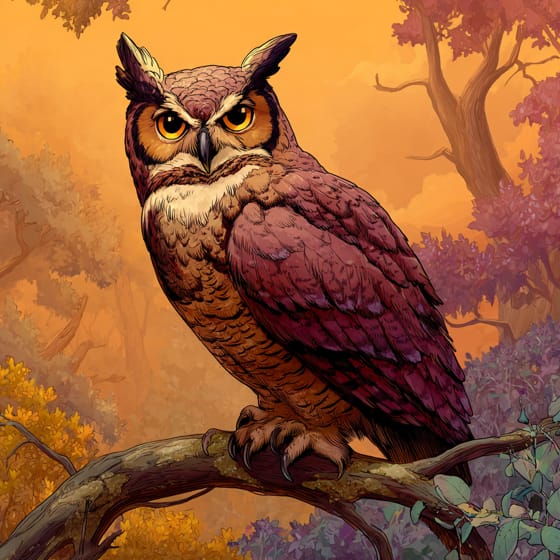
Bubo virginianus
hunts hares from the sky
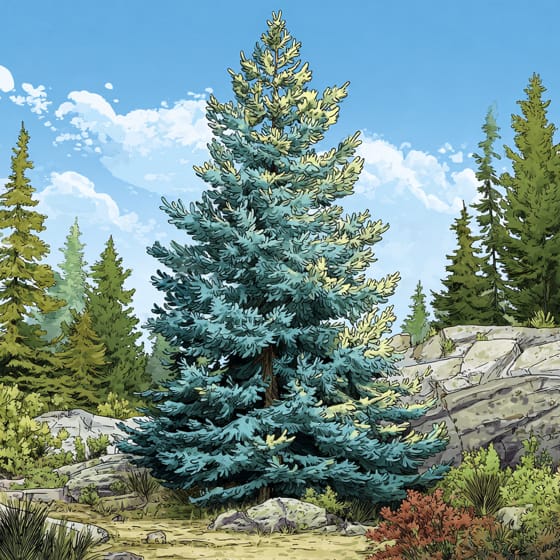
Picea glauca
eats bark and twigs in winter
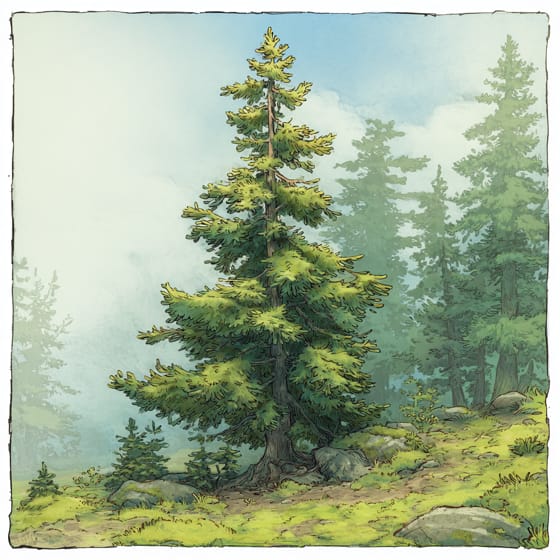
Abies balsamea
shelters and provides food
Furry describes animals possessing a dense covering of soft hair or fur.
Solitary animals live alone for most of their lives, only interacting with others for mating or parental care.
Burrowing animals dig tunnels and chambers in the ground, using these subterranean structures for shelter, hunting, or breeding.
Camouflaged describes organisms that possess coloring or patterns that allow them to blend into their environment.

This trait characterizes organisms whose diet consists entirely or primarily of plant material.

This habitat trait refers to species inhabiting tundras, which are treeless biomes characterized by permafrost, cold temperatures, and low-growing vegetation.

Forest habitats are terrestrial environments dominated by dense tree cover, supporting a high diversity of plant and animal life.

This trait identifies organisms that exhibit exceptional swiftness in movement for hunting, escape, or travel.

Nocturnal animals are primarily active during the nighttime hours, typically resting or sleeping during the day.
Danger
1/5 · Very low
If you see a hare, watch quietly from a distance and don't try to touch it.
The easiest way to identify Snowshoe Hare is to use the Snappit nature identifier app.
41-52 cm
0.9-2 kg
3-8 years
45 km/h
These plant-eaters munch on various plants, twigs, and bark, especially in winter.
Forest and tundra
Foraging
Zoom in to split clusters and explore where this object has been snapped.
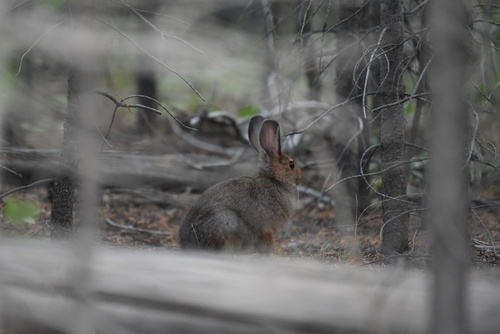
Sep 2, 2022
Kishenehn Ranger Station Historic DistrictPhoto attribution
(c) Cody Stricker, some rights reserved (CC BY)
License: CC BY 4.0 ↗
Image may be shown cropped inside the card frame.

Colorado, US
You might spot Fireweed, Scentless Mayweed, and Quaking Aspen.
View guide →

Washington, US
You might spot Barrow's Goldeneye and Pacific Banana Slug.
View guide →

British Columbia, CA
You might spot White Pasqueflower and Columbian Ground Squirrel.
View guide →

British Columbia, CA
You might spot White Twisted-Stalk and Western Skunk Cabbage.
View guide →
Alaska, US
You might spot Polar Bear, Brown Bear, and Tiger.
View guide →

Wyoming, US
You might spot Creeping Mahonia, Utah Honeysuckle, and Woodland Pinedrops.
View guide →
Take the discovery with you
Snap it with Snappit to identify it, learn what makes it special, and add the discovery to your collection.






.jpg&width=800)

.JPG&width=800)

.jpg&width=800)
