Northern Cardinal

Chantilly Park, nestled in the heart of Chantilly, Virginia, offers a welcoming natural retreat for both residents and visitors seeking a breath of fresh air and a connection with local wildlife.
Chantilly Park, nestled in the heart of Chantilly, Virginia, offers a welcoming natural retreat for both residents and visitors seeking a breath of fresh air and a connection with local wildlife. This dog-friendly oasis provides a serene escape with its scenic trails and expansive open fields, making it an ideal spot for leisurely strolls, active play, and enjoying the outdoors. It's a vibrant community gathering spot, fostering a sense of community while showcasing the natural beauty of Virginia's landscape.
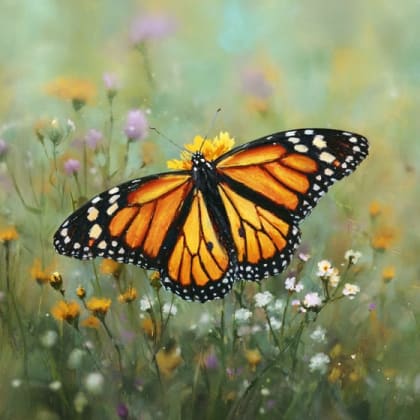
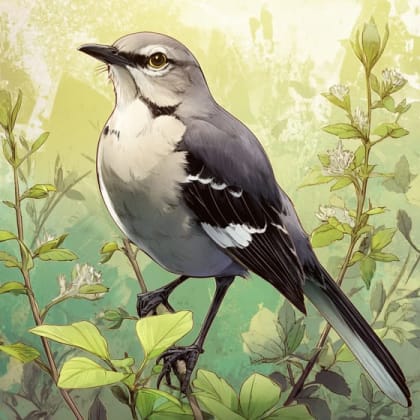
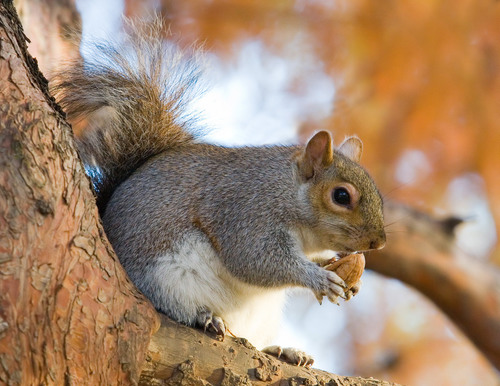
Visitors to Chantilly Park can explore accessible paths winding through diverse habitats, offering opportunities to observe a variety of local flora and fauna. Keep an eye out for majestic Northern Cardinals perched on red maple trees, or the energetic Eastern Gray Squirrels darting through the undergrowth. Birdwatchers may be delighted by the vibrant Blue Jay or the melodious American Robin, while patient observers might spot a White-tailed Deer grazing in a quiet corner. The park's varied environment supports both common and more unique species, including Monarch butterflies fluttering among wildflowers like chicory, and the occasional Red-shouldered Hawk soaring overhead.
Whether you're a nature enthusiast, a family looking for outdoor fun, or a dog owner seeking a perfect spot for your canine companion, Chantilly Park provides a memorable experience. Its welcoming atmosphere and array of spaces invite visitors to unwind, explore, and appreciate the natural rhythms of the region. The chance to encounter diverse wildlife in a peaceful setting makes every visit a delightful journey of discovery. Wondering what that bird or insect is? Find out on your visit using the Snappit nature app.
While specific historical details for Chantilly Park as a distinct entity are not widely documented, the park has served as a recreational haven and community gathering spot for many years within the Chantilly, Virginia area. The broader region of Chantilly, Virginia, has a rich history, evolving from colonial plantations in the 1700s, including the historic Sully Plantation, to an important modern suburb. The area received its name from the Chantilly plantation, established in the early 19th century by Cornelia Lee Turberville Stuart, who named her estate after the famous Château de Chantilly in France.
Walk the accessible trails, observing the local ecosystem.
Bring your dog for exercise and play in the open fields.
Look for birds such as Northern Cardinal, Blue Jay, American Robin, and Red-shouldered Hawk.
Spot mammals like Eastern Gray Squirrels, Eastern Cottontails, and White-tailed Deer.
Observe butterflies, including Monarchs, among the park's plant life.
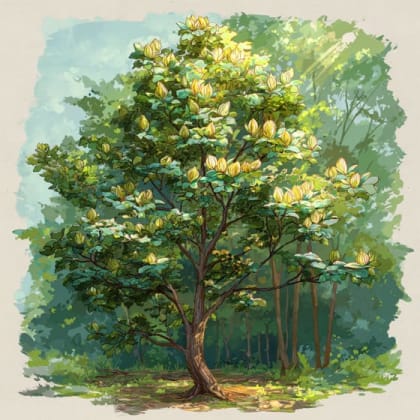
Spring: Witness the vibrant bloom of red maple and eastern redbud. Migratory birds return, and many species become more active.
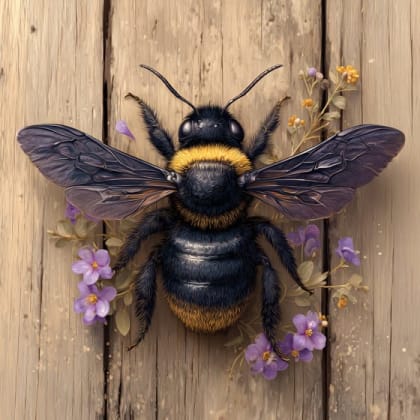
Summer: Enjoy lush greenery, flowering plants like multiflora rose and common jewelweed, and increased insect activity (e.g., Eastern Carpenter Bee, Common Eastern Bumble Bee). Be aware of the Spotted Lanternfly, an invasive species.
Autumn: Experience stunning fall foliage as leaves change color. Cooler temperatures make for comfortable hiking, and wildlife may be more visible as they prepare for winter.
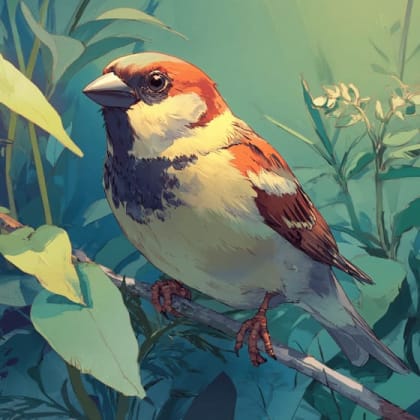
Winter: A quieter time, but evergreen plants provide contrast. Look for Dark-eyed Junco and House Sparrow.
Chantilly Park features accessible paths, making it suitable for visitors with mobility considerations.
Dog-friendly trails and expansive open fields perfect for walks and playtime.
Accessible paths for a comfortable outdoor experience.
Shaded seating areas for relaxation.
Opportunities to observe a variety of local wildlife and plant species in their natural habitat.
Each card links to a full Explore page with photos, traits, and fun facts.












































Start with the big picture, then zoom in to explore individual wildlife observations around this place.
Bring your own supplies
While a natural setting, it's wise to bring essentials like water, snacks, and any necessary pet supplies (like poop bags), as amenities may not be readily available.
Stay on marked paths
Help protect the park's natural environment and ensure your safety by keeping to designated trails.
Observe quietly
For the best chance to see wildlife, move slowly and quietly, especially near tree lines and open field edges.
Visit during different seasons
Each season offers a unique experience, from spring blooms to fall colors and varied wildlife activity.
Wear appropriate footwear
Comfortable walking shoes are recommended for exploring the trails and fields.
Check local weather
Be prepared for changing weather conditions, as exposed areas can be sunny or windy.
Jun 16, 2026
Photo attribution
(c) Mark Richman, some rights reserved (CC BY)
License: CC BY 4.0 ↗
Image may be shown cropped inside the card frame.
Jun 16, 2026
Photo attribution
(c) Mark Richman, some rights reserved (CC BY)
License: CC BY 4.0 ↗
Image may be shown cropped inside the card frame.
Jun 20, 2026
Jun 19, 2026
Jun 18, 2026

Maryland, US
You might spot White-Tailed Deer and Eastern Gray Squirrel.
View guide →
.jpg)
District of Columbia, US
You might spot Eastern Gray Squirrel, Duck, and House Sparrow.
View guide →

Illinois, US
You might spot American Robin, Canada Goose, and House Sparrow.
View guide →
Illinois, US
You might spot Eastern Gray Squirrel, American Robin, and Duck.
View guide →
Take the discovery with you
Identify the wildlife you spot, learn as you go, and keep a collection of the adventure.