





Currant Bush
Antidesma parvifolium F.Muell.
Currant Bush is a bush that produces small, tart berries. They can be red, black, or white and are great for cooking!
Habitat: Currant bushes enjoy cooler climates and can be found in gardens and forests.
The Currant Bush has glossy, dark green leaves, often with reddish new growth. It produces small, green flowers that develop into clusters of shiny, round berries, which ripen from red to black.
Category
PlantsRarity
Common
Danger
1/5 · Very low
Snaps
Be the first to snap!
Indigenous Australians have traditionally eaten its tart, juicy berries raw or cooked!
It often grows in dense clusters, making perfect hiding spots for small creatures!
Its common name is tricky; it's not a 'true' currant at all!
Its scientific name, *parvifolium*, means 'small-leaved,' referring to its tiny leaves!
Currant Bush can survive dry spells thanks to its tough leaves and roots that help it conserve precious water.
Currant Bush has tasty berries that attract birds, helping to scatter its seeds far and wide for new plants.
Currant Bush can adapt its leaves to thrive in both shade and sun, helping it grow in many different places.
Ptilinopus regina
Feeds on ripe currant bush fruits.
Sphecotheres vieilloti
Enjoys the sweet, juicy berries.
Apis mellifera
Visits its small flowers for nectar.
Deciduous plants periodically shed all their leaves, typically during autumn or dry seasons.
A shrub is a woody plant smaller than a tree, typically with multiple stems branching from or near the ground.
Fruit-bearing plants produce fruits, which are the mature ovaries of flowering plants containing seeds.
Medicinal plants possess chemical compounds that can be used for therapeutic purposes to treat illnesses or maintain health.
A fruit tree is a perennial tree that produces fruit, which is edible to humans or animals.

Edible plants are those parts of a plant that are considered safe for human consumption.
This habitat trait identifies species found in temperate rainforests, characterized by significant rainfall, mild temperatures, and dense evergreen or deciduous forests in coastal regions.
Danger
1/5 · Very low
Explore with care and ask an adult if you’re unsure what to do.
The easiest way to identify Currant Bush is to use the Snappit nature identifier app.
150-400 cm
100-300 cm
0.2-0.5 cm
Spring-Summer
Yes
None
Perennial
Zoom in to split clusters and explore where this object has been snapped.
Recent snaps will appear here as new observations are added.
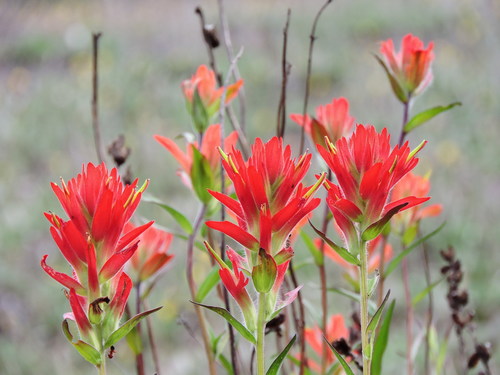
British Columbia, CA
You might spot Giant Red Paintbrush, Lupines, and Broadleaf Arnica.
View guide →

California, US
You might spot Evergreen Huckleberry and Golden Chinquapin.
View guide →

Washington, US
You might spot Snowy Owl, Bee, and American Crow.
View guide →

Oregon, US
You might spot Canada Goose, Duck, and Greater White-Fronted Goose.
View guide →

British Columbia, CA
You might spot Canada Goose, Oregon Oak, and Barn Swallow.
View guide →

Washington, US
You might spot Western Sword Fern and Pacific Bleeding Heart.
View guide →
Take the discovery with you
Snap it with Snappit to identify it, learn what makes it special, and add the discovery to your collection.








.jpg&width=800)



_001.jpg&width=800)



