
Currant Bush

Leschi Park, an 18.5-acre urban sanctuary nestled in Seattle, Washington, offers a captivating blend of natural beauty and historical charm. Overlooking the serene expanse of Lake Washington, this park is renowned for its rolling grassy hills, meticulously cultivated rose gardens, and a collection of exotic trees that paint a vibrant landscape year-round. It stands as a peaceful retreat, inviting visitors to unwind amidst picturesque views of the lake, Bellevue, the Cascade Mountains, and even the majestic Mount Rainier on clear days. The park's unique position and diverse offerings make it a cherished spot for both local residents and curious travelers seeking tranquility and scenic splendor.
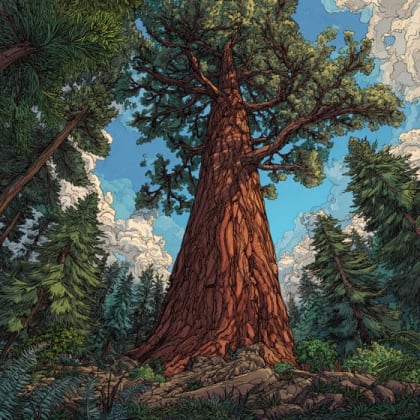
The park's diverse habitats support a rich array of flora and fauna. Stroll along its well-maintained pathways, where you can admire grand specimens like the towering giant sequoia, bigleaf maple, and western redcedar, remnants of thoughtful historical plantings. The undergrowth flourishes with native species such as western sword fern, Pacific Bleeding Heart, Red-flowering Currant, thimbleberry, and Common Snowberry, particularly in the steeper, wooded sections. Keep an eye towards the sky and water for a glimpse of avian residents like the majestic Bald Eagle, the ubiquitous Canada Goose, and the familiar American Robin and Steller's Jay. Even urban wildlife like the Common Raccoon might be spotted, adding to the park's natural appeal.
Whether you're seeking a quiet moment of reflection, a picturesque backdrop for photography, or an engaging outdoor space for family activities, Leschi Park delivers a memorable experience. Its blend of manicured gardens, historical elements, and stunning natural vistas creates an atmosphere of serene beauty that changes with the seasons. The peaceful ambiance, coupled with the opportunity to connect with nature and enjoy breathtaking views, makes Leschi Park a truly special destination worth exploring. Turn your visit into a safari! Use the Snappit app to scan and log wildlife sightings here.
Leschi Park's history is deeply intertwined with the early development of Seattle. The land was historically a seasonal encampment for the Duwamish people, and the park itself is named after Chief Leschi of the Nisqually tribe, a significant figure in local indigenous history. In 1889, the site transformed into a bustling amusement park, marking the terminus of an electric streetcar line. This early iteration of Leschi Park featured a ferry landing, a boathouse, a casino, a roller-skating rink, a dance pavilion, and even Seattle's first zoo. The city of Seattle gradually acquired the park, incorporating it into the broader Olmsted Plan for city parks. The zoo animals were donated to the city in 1903, and the park fully transitioned to public ownership by 1909. Many of the park's exotic plantings, including the iconic sequoia trees, were established by its first chief gardener, Jacob Umlauff, whose vision continues to shape the park's landscape today. Over the decades, amenities like tennis courts and a comfort station were added, evolving Leschi Park into the beloved public space it is now.
Enjoy a leisurely stroll along the waterfront and up the rolling hills, have a picnic on the grassy lawns, play tennis, or let children enjoy the playground. It’s an excellent spot for birdwatching, particularly along the lakeside where you might observe Canada Geese and Bald Eagles. Take time to appreciate the diverse tree collection and the seasonal blooms in the gardens. You can also canoe or kayak from accessible points along the lake.
Spring: Less crowded, fresh blooms, potentially clearer mountain views.
Summer: Lush greenery, active playground, peak rose garden blooms, ideal for picnics.
Autumn: Beautiful fall foliage, good for hiking and photography.
Winter: Best for crisp, clear views of distant mountains, fewer crowds, excellent for quiet contemplation.
Leschi Park features paved pathways throughout much of its cultivated areas. There are restrooms available, typically located in the upper portion of the park near the playground and tennis courts. While some areas feature steep slopes and stairs, there are also flatter grassy spots near the lake.
Panoramic views of Lake Washington, Bellevue, the Cascade Mountains, and Mount Rainier.
The colorful rose gardens.
Towering giant sequoia trees, some purportedly planted by the park's original gardener.
The children's playground and tennis courts.
Each card links to a full Explore page with photos, traits, and fun facts.
Start with the big picture, then zoom in to explore individual wildlife observations around this place.
Parking
Public parking is available in a lot on the east side of Lakeside Avenue, typically with a two-hour limit. Street parking is also available along Lakeside Avenue.
Best Photo Spots
Head to the benches by the marina for classic shots of boats on Lake Washington with city views, or explore the upper hills for sweeping vistas of the mountains. The rose gardens offer vibrant floral backdrops.
Bring Binoculars
For birdwatching, especially to spot Bald Eagles and Canada Geese near the lake, or other songbirds like Steller's Jays and American Robins in the treed areas.
Explore the Diverse Flora
Seek out the impressive giant sequoia trees, particularly on the park's slopes, and identify native plants like western sword fern and Pacific Bleeding Heart along pathways.
Combine with Local Amenities
The park is conveniently located near the Leschi commercial district, which includes local restaurants and a market, perfect for grabbing a snack or coffee before or after your visit.
Wear Comfortable Shoes
The park features rolling hills and pathways, so comfortable footwear will enhance your exploration.
Jan 24, 2026
Jan 2, 2026
Sep 25, 2025
Sep 11, 2025
Sep 10, 2025

Maryland, US
You might spot White-Tailed Deer and Eastern Gray Squirrel.
View guide →
.jpg)
District of Columbia, US
You might spot Eastern Gray Squirrel, Duck, and House Sparrow.
View guide →

Illinois, US
You might spot American Robin, Canada Goose, and House Sparrow.
View guide →

Virginia, US
You might spot Spotted Lanternfly and Northern Cardinal.
View guide →
Take the discovery with you
Identify the wildlife you spot, learn as you go, and keep a collection of the adventure.