Great Blue Heron

## Discovery Park: Seattle's Expansive Urban Wilderness
## Discovery Park: Seattle's Expansive Urban Wilderness
Nestled on the bluffs overlooking Puget Sound, Discovery Park stands as Seattle's largest urban sanctuary, encompassing a breathtaking 534 acres of diverse natural landscapes. More than just a park, it's a testament to the Pacific Northwest's wild beauty, offering panoramic vistas of the Olympic and Cascade mountain ranges, including Mount Rainier. Here, visitors can escape the city bustle and immerse themselves in a rich tapestry of habitats, from dense evergreen forests dominated by Douglas-fir and western redcedar to open meadows, dramatic sea cliffs, and two miles of protected tidal beaches. It's an extraordinary place where the urban environment seamlessly blends with untamed nature, making it a truly special destination.
The park's varied ecosystems are a haven for an impressive array of flora and fauna. Stroll through the forest trails and you might spot towering bigleaf maple trees, western sword fern, and vibrant Salmonberry bushes. Birdwatchers are in for a treat, with over 270 species documented here, including majestic Bald Eagles soaring overhead, Great Blue Herons stalking the shallows, and the distinctive calls of Anna's Hummingbirds. Down on the beaches, keep an eye out for Harbor Seals lounging on the shore, and in certain seasons, even orca sightings are possible in Puget Sound.
Discovery Park is a place to connect with nature, offering tranquility, awe-inspiring beauty, and endless opportunities for exploration. Whether you're seeking a challenging hike, a serene beach walk to the historic West Point Lighthouse, or simply a quiet spot to observe wildlife, the park delivers memorable experiences. Its commitment to preserving native ecosystems and providing an outdoor classroom makes it an invaluable gem, inviting repeat visits to uncover its many secrets throughout the changing seasons. Turn your visit into a safari! Use the Snappit app to scan and log wildlife sightings here.
The land that is now Discovery Park has a rich history, serving as traditional territory for the Shilshole band of the Duwamish people for thousands of years. They established winter villages and relied on the Puget Sound shoreline for sustenance and trade. Later, the site became Fort Lawton, a U.S. Army post established in 1900. It played a significant role through both World Wars, acting as a major port of embarkation during World War II. In the late 1960s, as the Army began decommissioning the fort, a concerted community effort led by Senator Henry "Scoop" Jackson prevented the land from being developed privately. Instead, in 1970, 534 acres were transferred to the City of Seattle for just $1, with the park officially opening in 1973. It was designed around a "natural park" philosophy, focusing on the restoration of native ecosystems rather than extensive formal facilities, thus preserving its wild character. Some of the historic Fort Lawton buildings still stand and have been repurposed.
Hike the extensive network of trails, including the Loop Trail, South Beach Trail, and Wolf Tree Nature Trail.
Birdwatching: The park is a major birding hotspot, home to over 270 species.
Wildlife viewing: Look for Harbor Seals, Bald Eagles, Great Blue Herons, and various forest creatures.
Explore the historic Fort Lawton area with its restored 19th-century buildings.
Enjoy beachcombing and tidepooling at South Beach, especially during low tide.
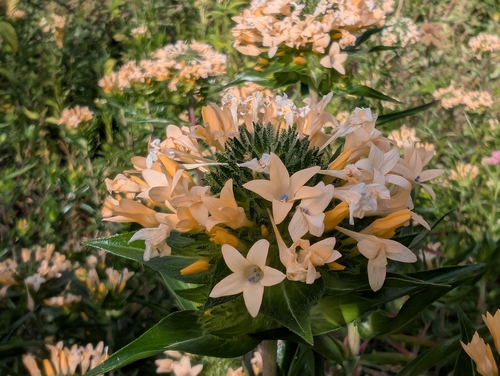
Spring: Excellent for wildflower viewing (e.g., fringe cups, Large-leaved lupine) and warbler migration.
Summer: Ideal for beach activities, potential orca sightings, and long daylight hours for hiking.
Autumn: Fall foliage in the forested areas, especially from bigleaf maples.
Winter: Bald Eagles are more numerous, and some birds like American Tree Sparrows may be present. Trails can become muddy.
Visitor Center: The Discovery Park Visitor Center is closed until Summer 2027 due to water damage.
General parking lots are available. While many trails are unpaved, uneven, or include stairs (like portions of the South Beach and Hidden Valley Trails), the Loop Trail offers a generally more level experience, though it is not fully ADA compliant due to occasional steep sections. ADA-only parking is available at the beach with a required placard.
An iconic, active lighthouse established in 1881, accessible via a walk down to South Beach.
A 2.8-mile trail offering diverse scenery through forests, meadows, and bluffs with sweeping views.
A picturesque sandy beach perfect for collecting driftwood, enjoying the Puget Sound, and spotting marine wildlife.
Located within the park, it celebrates Native American culture and offers a gallery and gift shop.
Each card links to a full Explore page with photos, traits, and fun facts.
Start with the big picture, then zoom in to explore individual wildlife observations around this place.
Wear appropriate footwear
Many trails are unpaved, steep, or can be muddy, especially in winter. Sturdy walking shoes or trail runners are recommended over flip-flops.
Bring a map
The park is expansive with many intersecting trails. A map from the Seattle Parks website or a digital map on your phone can prevent you from getting lost.
Pack water and snacks
Especially if planning a longer hike to the beach or around the Loop Trail, as facilities are limited.
Observe wildlife respectfully
Keep a safe distance from animals like Harbor Seals and Bald Eagles, and avoid disturbing their natural behaviors.
Leash your dog
Dogs are allowed on most trails but must be kept on a leash at all times and are prohibited from the beaches.
Check tides for beach visits
For the best beachcombing and tidepooling experience, plan your visit during low tide.
Jun 19, 2026
Photo attribution
(c) Zachary M.C., some rights reserved (CC BY)
License: CC BY 4.0 ↗
Image may be shown cropped inside the card frame.
Jun 19, 2026
Photo attribution
(c) Zachary M.C., some rights reserved (CC BY)
License: CC BY 4.0 ↗
Image may be shown cropped inside the card frame.
Jun 19, 2026
Photo attribution
(c) Zachary M.C., some rights reserved (CC BY)
License: CC BY 4.0 ↗
Image may be shown cropped inside the card frame.
Jun 19, 2026
Photo attribution
(c) Zachary M.C., some rights reserved (CC BY)
License: CC BY 4.0 ↗
Image may be shown cropped inside the card frame.
Jun 17, 2026
Photo attribution
(c) John Leszczynski, some rights reserved (CC BY)
License: CC BY 4.0 ↗
Image may be shown cropped inside the card frame.

Maryland, US
You might spot White-Tailed Deer and Eastern Gray Squirrel.
View guide →
.jpg)
District of Columbia, US
You might spot Eastern Gray Squirrel, Duck, and House Sparrow.
View guide →

Illinois, US
You might spot American Robin, Canada Goose, and House Sparrow.
View guide →

Virginia, US
You might spot Spotted Lanternfly and Northern Cardinal.
View guide →
Take the discovery with you
Identify the wildlife you spot, learn as you go, and keep a collection of the adventure.