Canada Goose
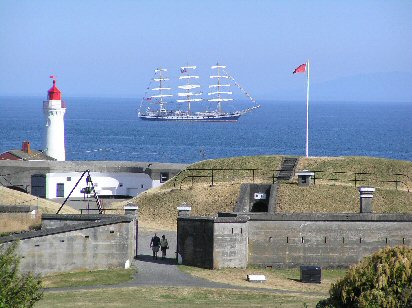
Fort Rodd Hill and Fisgard Lighthouse National Historic Sites offer a captivating journey through Canada's military past and maritime history, set against a stunning coastal landscape.
Fort Rodd Hill and Fisgard Lighthouse National Historic Sites offer a captivating journey through Canada's military past and maritime history, set against a stunning coastal landscape. This unique destination combines the exploration of a 19th-century artillery fortress with the iconic beauty of the oldest lighthouse on Canada's west coast. Visitors can immerse themselves in the stories of soldiers and lighthouse keepers while enjoying breathtaking views of the Strait of Juan de Fuca and the Olympic Mountains. The site provides a tranquil escape where history and nature converge, making it a truly special place to discover.
Beyond the historical structures, the site boasts diverse natural habitats, including the rare Garry Oak Learning Meadow, a critically endangered ecosystem that bursts with native wildflowers from April to August, attracting numerous bees and butterflies. Nature enthusiasts can explore scenic trails, keeping an eye out for abundant wildlife such as Great Blue Herons, Black Oystercatchers, and various marine mammals like Harbor Seals and North American River Otters. The coastal environment also provides opportunities to spot magnificent birds like Canada Geese and Barn Swallows, and even the occasional Bald Eagle soaring above.
A visit to Fort Rodd Hill and Fisgard Lighthouse is more than just a historical tour; it's an opportunity for exploration, education, and relaxation. From discovering underground bunkers and command posts to wandering through Garry Oak meadows and enjoying a picnic with ocean views, there's something for everyone. The ever-changing coastal scenery, coupled with the rich narratives of the past and the vibrant present-day ecosystem, ensures a memorable and enriching experience for visitors of all ages. Don't forget to bring the Snappit nature identification app along to scan local species.
Fort Rodd Hill and Fisgard Lighthouse are two distinct yet interconnected National Historic Sites that tell a significant part of British Columbia's history. Fort Rodd Hill, a 19th-century coastal artillery fortress, was constructed by the British Royal Engineers between 1895 and 1898 and remained an active military installation until 1956, playing a crucial role in defending Victoria and the Esquimalt Naval Base. It was designated a National Historic Site in 1958, ensuring the preservation of its historic structures for future generations. Fisgard Lighthouse, the oldest lighthouse on Canada's west coast, was completed in 1860. Built by the British and Colonial Governments, it served as a vital navigational aid, guiding vessels safely into Esquimalt Harbour and reducing the risk of shipwrecks in the Strait of Juan de Fuca. Originally operated by lighthouse keepers, it became automated in 1929 and, despite no longer being actively serviced, continues to function as an aid to navigation and houses an engaging museum. Fisgard Lighthouse was also designated a National Historic Site in 1958.
Explore the fortifications, climb artillery positions, step inside Fisgard Lighthouse, walk interpretive trails like the Historic Nature Trail, enjoy picnics, and engage in bird and wildlife watching. Interactive programs, guided tours, and family-friendly activities are available, especially during summer. You can also camp overnight in an oTENTik.
Spring: Wildflowers bloom, comfortable temperatures, fewer crowds. Good for photography.
Summer: Peak season with full interpretive programs, costumed interpreters, and extended hours. Good for whale watching (Humpback and Killer Whales) in the Strait of Juan de Fuca.
Fall: Pleasant weather, autumn colors, fewer visitors for a contemplative experience. Grey Whales might be seen on migration.
Winter: Site grounds and washrooms are open; historic buildings may have limited access. Trails can be soft after rain.
Accessible parking stalls, wheelchair-accessible washrooms, and paved routes to key viewpoints are available. The visitor center and main lighthouse area offer excellent accessibility. Some trails, like the Historic Nature Trail, are hard-packed dirt and cedar chips, but staff work to keep them clear. Parks Canada offers free admission for one escort to assist a person with a disability, and registered service animals are welcome. oTENTiks are also accessible.
Fort Rodd Hill's coastal gun batteries, underground magazines, command posts, guardhouses, and barracks.
Fisgard Lighthouse, Canada's oldest lighthouse on the west coast, with its museum detailing the life of lighthouse keepers and maritime history.
The Garry Oak Learning Meadow, a rare ecosystem with blooming native flowers.
Panoramic ocean views of the Strait of Juan de Fuca and the Olympic Mountains.
Each card links to a full Explore page with photos, traits, and fun facts.
Start with the big picture, then zoom in to explore individual wildlife observations around this place.
Wear layers
Coastal weather can change rapidly, so dressing in layers will ensure comfort throughout your visit.
Bring a camera
The lighthouse, historic fortifications, diverse wildlife, and stunning ocean and mountain views offer endless photographic opportunities.
Plan for a picnic
There are scenic picnic spots with ocean views, making it an ideal place to relax and enjoy the scenery.
Explore the Garry Oak Learning Meadow
This rare ecosystem is particularly beautiful in spring and summer with blooming wildflowers and buzzing bees.
Look for marine wildlife
Bring binoculars to spot seals, otters, and potentially whales in the Strait of Juan de Fuca.
Download the Parks Canada app
Explore the sites at your own pace with free interactive maps and self-guided tours available on the app.
Jan 1, 2026
Dec 9, 2025
Dec 9, 2025
Dec 1, 2025
Nov 21, 2025

Maryland, US
You might spot White-Tailed Deer and Eastern Gray Squirrel.
View guide →
.jpg)
District of Columbia, US
You might spot Eastern Gray Squirrel, Duck, and House Sparrow.
View guide →

Illinois, US
You might spot American Robin, Canada Goose, and House Sparrow.
View guide →

Virginia, US
You might spot Spotted Lanternfly and Northern Cardinal.
View guide →
Take the discovery with you
Identify the wildlife you spot, learn as you go, and keep a collection of the adventure.