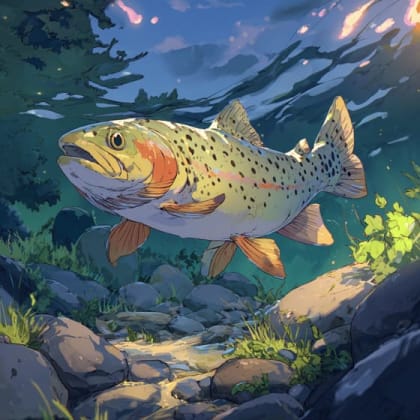


Electric Catfish
Malapterurus electricus
The Electric Catfish is a unique fish that can produce electric shocks to protect itself. It has a long, whisker-like barbel on its face that helps it sense its surroundings.
Habitat: Freshwater
The Electric Catfish has a stout, scaleless body, often mottled brown or gray with irregular dark spots. It possesses small eyes, a broad head, and six sensory barbels around its mouth, lacking a dorsal fin.
Category
FishRarity
Common
Danger
3/5 · Moderate
Snaps
Be the first to snap!
An Electric Catfish can grow to be over three feet long!
It can create enough electricity to make a person feel a real jolt!
They hunt mostly at night, using their electric sense to find food.
This fish doesn't have any scales, making its skin smooth and slippery.
Electric Catfish can generate powerful electric shocks because of specialized organs, stunning predators or prey.
Electric Catfish has electrosensory cells that help them 'see' in murky water by detecting weak electric fields.
Electric Catfish can emit brief electric pulses that help them locate and stun prey hidden in the dark.
This skilled hunter loves to eat other fish, stunning them with electricity before swallowing!
Age differences: Younger catfish may eat more insects and crustaceans before switching to mostly fish.
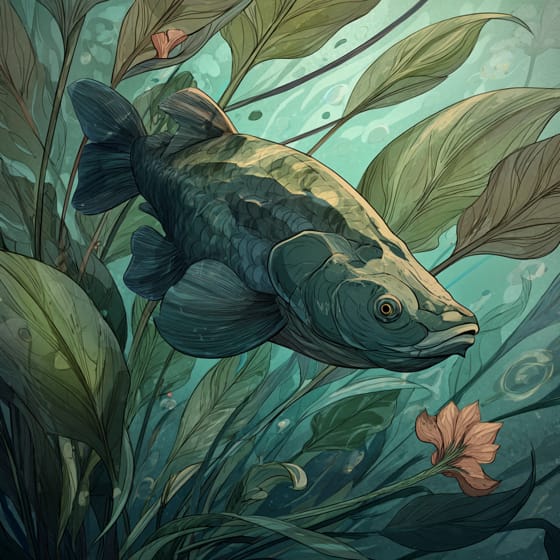
Mormyrus longirostris
A common prey fish in African rivers.
Tilapia nilotica
A frequently encountered fish species in its range.
Crocodylus niloticus
A large predator found in the same waters.
Aonyx capensis
Hunts fish, including smaller catfish, in its habitat.
Wildlife encompasses all undomesticated animal and plant life existing in their natural habitats.
Piscivorous organisms are animals that primarily subsist on a diet of fish.
This trait describes organisms capable of generating electric fields or electric shocks.
Freshwater habitats include non-saline aquatic environments such as rivers, lakes, ponds, and wetlands, vital for numerous species.

Aquatic habitats encompass environments where organisms live predominantly in water, including oceans, rivers, lakes, and wetlands.

Nocturnal animals are primarily active during the nighttime hours, typically resting or sleeping during the day.
Danger
3/5 · Moderate
Avoid touching Electric Catfish in the wild as their electric shocks can be dangerous.
The easiest way to identify Electric Catfish is to use the Snappit nature identifier app.
30-100 cm
0.5-15 kg
10-15 years
This skilled hunter loves to eat other fish, stunning them with electricity before swallowing!
8 km/h
Freshwater
Ambush
Zoom in to split clusters and explore where this object has been snapped.
Recent snaps will appear here as new observations are added.
Take the discovery with you
Snap it with Snappit to identify it, learn what makes it special, and add the discovery to your collection.