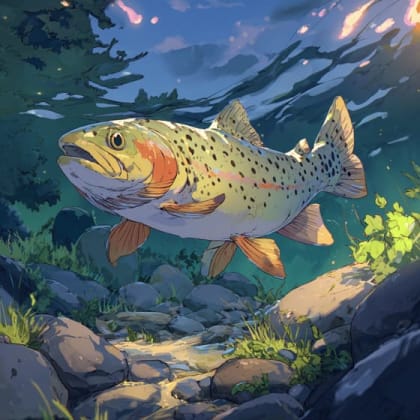
Betta
Betta
Betta fish are known for their beautiful, flowing fins and vibrant colors. They are very curious and can recognize their owners!
Habitat: Shallow waters in Southeast Asia
The Betta is renowned for its long, flowing fins and vibrant, jewel-toned scales, often displaying brilliant reds, blues, and purples. Males are particularly striking, making them visually distinct from most other small freshwater fish with their exaggerated finnage.
Category
FishRarity
Common
Danger
2/5 · Low
Snaps
Be the first to snap!
Betta fish can jump surprisingly high out of water, so they need covered tanks!
Betta males carefully build a bubble nest to keep their tiny eggs safe at the water surface!
They can sometimes recognize their owners and even learn simple tricks for food!
Wild Bettas are less colorful than pet ones, blending in with their murky, natural habitats!
Betta can breathe air directly from the surface because of a special labyrinth organ that helps them survive in low-oxygen water.
Betta can create a nest of bubbles on the water's surface that helps them protect their eggs and fry from harm.
Betta has dazzling, extended fins and bright colors that help them attract mates and warn rival fish to stay away.
These small predators feast on tiny insects and larvae found floating near the water's surface.
Aedes aegypti
larvae of these insects
Daphnia pulex
tiny crustaceans

Ardea alba
wading bird predator
Channa argus
large predatory fish
Wildlife encompasses all undomesticated animal and plant life existing in their natural habitats.
Solitary animals live alone for most of their lives, only interacting with others for mating or parental care.
Colorful describes organisms or objects displaying a wide range of bright and distinct colors.
This trait characterizes organisms with an exceptionally long lifespan compared to others of their kind.

This trait identifies organisms whose diet consists entirely or primarily of animal tissue.

Freshwater habitats include non-saline aquatic environments such as rivers, lakes, ponds, and wetlands, vital for numerous species.

Aquatic habitats encompass environments where organisms live predominantly in water, including oceans, rivers, lakes, and wetlands.
Danger
2/5 · Low
Watch quietly from a distance and never try to feed or chase wild animals.
The easiest way to identify Betta is to use the Snappit nature identifier app.
5-8 cm
0.002-0.005 kg
2-5 years
These small predators feast on tiny insects and larvae found floating near the water's surface.
0.5 km/h
Shallow waters in Southeast Asia
Ambush
Zoom in to split clusters and explore where this object has been snapped.
Recent snaps will appear here as new observations are added.
Take the discovery with you
Snap it with Snappit to identify it, learn what makes it special, and add the discovery to your collection.