





Eurasian Greater Water Boatman
Notonecta glauca
The Eurasian Greater Water Boatman is a fun little bug that loves to swim in ponds and lakes. It has a special shape that helps it glide smoothly on the water's surface, making it look like it's dancing!
Habitat: Wetlands
The Eurasian Greater Water Boatman is a medium-sized insect with a boat-shaped body, dark brown on its back and yellowish underneath. It is distinctly different from similar insects as it usually swims upside down, exposing its lighter underside. Its long hind legs resemble oars.
Category
InsectsRarity
Common
Danger
2/5 · Low
Snaps
Be the first to snap!
Often called 'water wasps' because their bite feels like a sting if you try to catch them!
They sing to each other by rubbing their front legs across their heads, like playing a tiny violin!
This clever bug uses tiny hairs on its legs to 'taste' the water for prey!
Unlike most insects, they swim upside down to watch for insects falling into the water!
This insect carries an air bubble under its wings, acting like a portable oxygen tank to breathe underwater for extended periods.
It can take flight from water to find new ponds or escape danger, using its strong wings for aerial travel.
Its long, oar-like hind legs are fringed with hairs, creating strong strokes that propel it quickly through the water.
This fierce water insect ambushes tiny creatures like tadpoles and small fish!
Culex pipiens
eats larval and pupal stages in water.
Daphnia pulex
preys on these small crustaceans in aquatic environments.
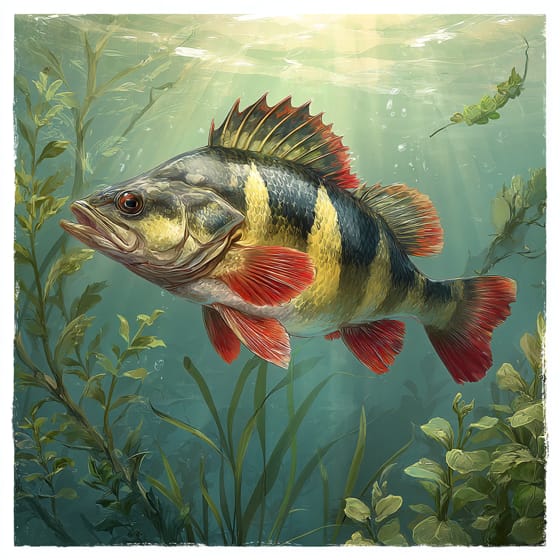
Perca fluviatilis
a common prey item for various fish species.
Anas platyrhynchos
part of the diet for dabbling ducks and other water birds.
Rana temporaria
adult frogs will prey on water boatmen.
Social animals live in organized groups, cooperating for survival benefits such as foraging, defense, and raising offspring.
Filter feeders obtain nutrients by straining suspended food particles and small organisms from water.
Gliding animals move through the air by launching themselves and maintaining flight with specialized body structures, without flapping wings.
This trait characterizes organisms whose diet consists entirely or primarily of plant material.

This habitat trait identifies species found in wetlands, which are areas of land saturated with water, either permanently or seasonally, including marshes, swamps, and bogs.

This trait identifies organisms whose diet consists entirely or primarily of animal tissue.

Diurnal animals are primarily active during daylight hours, typically resting or sleeping at night.

Pertaining to species that are significantly smaller than typical or average for their kind.

This trait identifies organisms that exhibit exceptional swiftness in movement for hunting, escape, or travel.

Aquatic habitats encompass environments where organisms live predominantly in water, including oceans, rivers, lakes, and wetlands.
No aliases listed yet.
Danger
2/5 · Low
Always watch where you step near water. Some bugs can bite, but most are friendly!
The easiest way to identify Eurasian Greater Water Boatman is to use the Snappit nature identifier app.
25-30 mm
13-16 mm
250-365 days
This fierce water insect ambushes tiny creatures like tadpoles and small fish!
Wetlands
Ambush
6
Zoom in to split clusters and explore where this object has been snapped.
Recent snaps will appear here as new observations are added.
Take the discovery with you
Snap it with Snappit to identify it, learn what makes it special, and add the discovery to your collection.







.jpg&width=800)




