





European Fat Dormouse
Glis glis
The European Fat Dormouse is a cute, fluffy animal that loves to sleep! It has a big, round body and a bushy tail. They are mostly active at night and enjoy munching on fruits and nuts.
Habitat: Forests
The European Fat Dormouse has soft, grey fur on its back and sides, contrasting with a clean white belly. It has noticeably large, dark eyes and small, round ears, with a long, bushy tail similar to a squirrel's, but slightly flatter.
Category
MammalsRarity
Common
Danger
1/5 · Very low
Snaps
Be the first to snap!
Ancient Romans considered them a tasty treat and even farmed them!
Its scientific name, Glis glis, literally means "dormouse dormouse"!
These amazing sleepers can wake up every few weeks during hibernation.
They make a variety of squeaks and chirps to chat with each other in the dark.
European Fat Dormouse can sleep for up to seven months because storing lots of fat helps them survive winter.
European Fat Dormouse can shed its tail if caught, helping it escape from hungry predators!
European Fat Dormouse has large eyes and sharp claws that help them navigate trees and find food in the dark.
An omnivore enjoying a varied menu of nuts, fruits, bark, and sometimes insects or eggs!

Strix aluco
A common nocturnal predator.
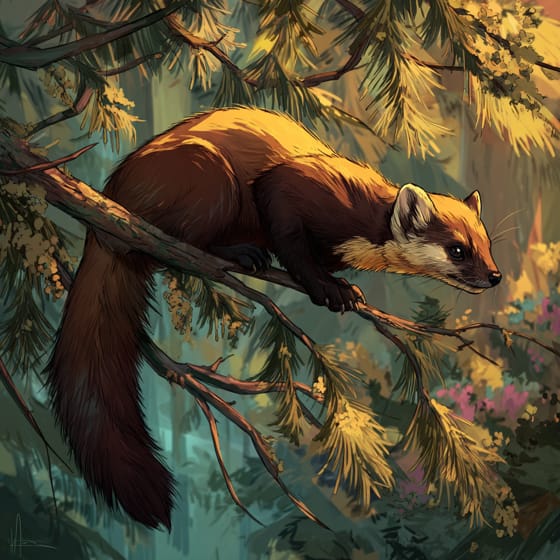
Martes martes
A swift arboreal hunter.
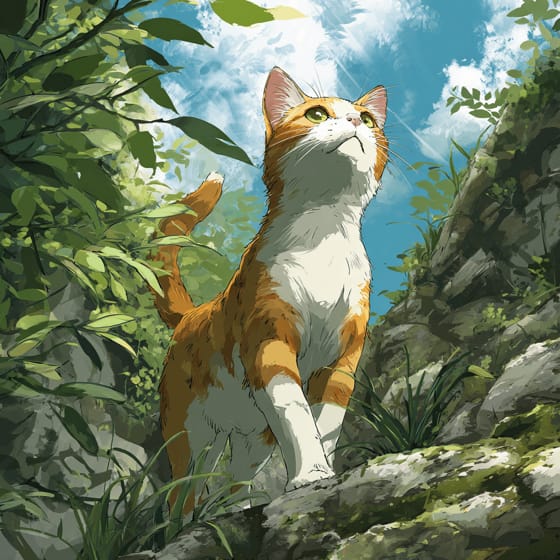
Felis catus
Predates in suburban areas.
Quercus robur
Feeds on its nutritious acorns.

Corylus avellana
Enjoys its protein-rich nuts.
Furry describes animals possessing a dense covering of soft hair or fur.
Social animals live in organized groups, cooperating for survival benefits such as foraging, defense, and raising offspring.
This trait characterizes organisms whose diet consists entirely or primarily of plant material.
Forest habitats are terrestrial environments dominated by dense tree cover, supporting a high diversity of plant and animal life.
Hibernating animals enter a state of metabolic depression during cold periods or when food is scarce, characterized by reduced body temperature and activity.

Nocturnal animals are primarily active during the nighttime hours, typically resting or sleeping during the day.
Danger
1/5 · Very low
If you see a dormouse in the wild, it's best to watch quietly from a distance.
The easiest way to identify European Fat Dormouse is to use the Snappit nature identifier app.
13-19 cm
0.07-0.3 kg
5-9 years
8 km/h
An omnivore enjoying a varied menu of nuts, fruits, bark, and sometimes insects or eggs!
Forests
Foraging
Zoom in to split clusters and explore where this object has been snapped.
Recent snaps will appear here as new observations are added.
Take the discovery with you
Snap it with Snappit to identify it, learn what makes it special, and add the discovery to your collection.




.jpg&width=800)


.JPG&width=800)


.jpg&width=800)
