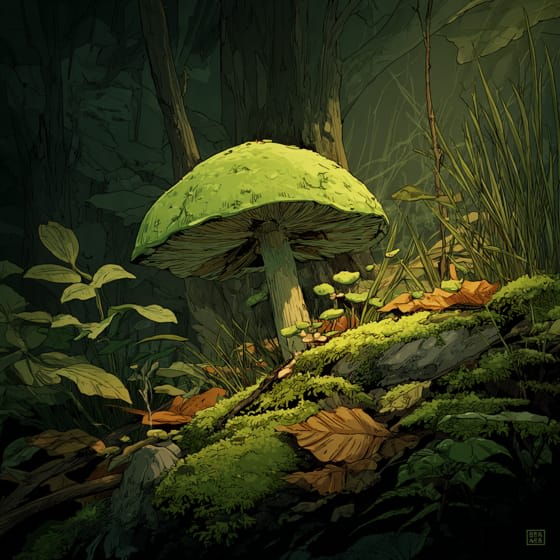





Green Brittlegill
Russula
Green Brittlegill is a green fungus that grows in the woods. It's known for its bright color and fun shape!
Habitat: Woodlands
The Green Brittlegill has a distinctive, often cracked or scaly, dull to bright green cap. Its stem and gills are white, and the gills are notably fragile, breaking easily when touched. This cracked green cap makes it stand out from other Russula species.
Category
FungiRarity
Common
Danger
1/5 · Very low
Snaps
Be the first to snap!
If you try to bend its stem or gills, they snap like a piece of chalk!
Its green cap often looks like it's cracked or scaly, like old paint!
Its scientific genus name, Russula, means 'reddish' even though it's green!
Mushrooms are more closely related to animals than to plants!
Green Brittlegill can share nutrients with trees because of its mycorrhizal relationship that helps both grow stronger.
Green Brittlegill has incredibly brittle gills and stem that helps it release spores when disturbed or break away from predators.
Green Brittlegill can camouflage itself with green moss and leaves because of its variable green cap that helps it hide from foraging animals.
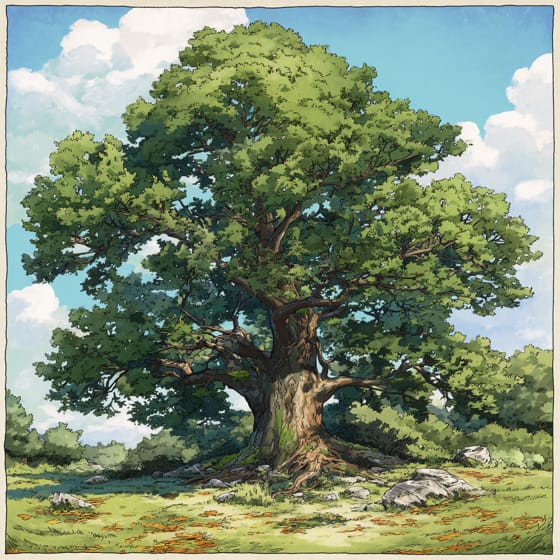
Quercus robur
forms mycorrhizal partnership for nutrients
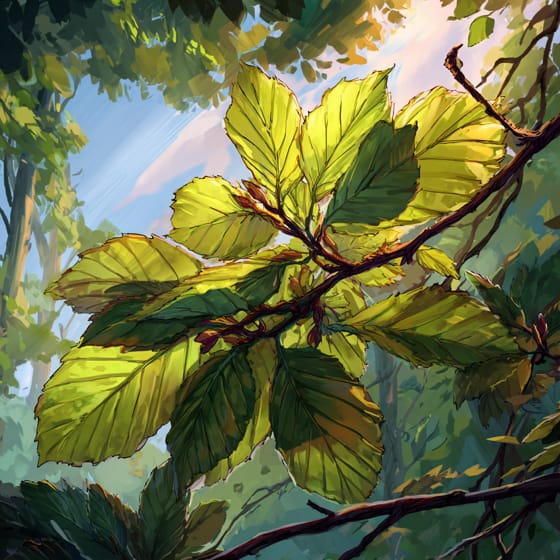
Fagus sylvatica
exchanges minerals and water for sugars
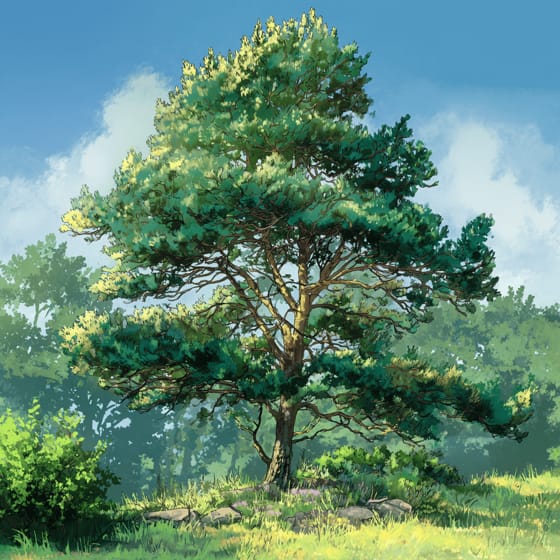
Pinus sylvestris
shares resources through underground networks

Arion ater
slugs forage on its caps and gills
Deciduous plants periodically shed all their leaves, typically during autumn or dry seasons.
Spore-producing organisms reproduce by releasing small, often single-celled, reproductive units called spores.
Forest habitats are terrestrial environments dominated by dense tree cover, supporting a high diversity of plant and animal life.
No aliases listed yet.
Danger
1/5 · Very low
Do not pick or eat anything you find. Some plants and mushrooms can be harmful.
The easiest way to identify Green Brittlegill is to use the Snappit nature identifier app.
5-10 cm
edible
5-15 cm
Woodlands
soil
Summer to Fall
White to pale cream
Zoom in to split clusters and explore where this object has been snapped.
Recent snaps will appear here as new observations are added.
Take the discovery with you
Snap it with Snappit to identify it, learn what makes it special, and add the discovery to your collection.