Ginkgo
Ginkgo
The Ginkgo tree is one of the oldest trees in the world! It has unique fan-shaped leaves that turn bright yellow in the fall.
Habitat: City streets and parks
The Ginkgo has iconic fan-shaped leaves that are bright green, turning a brilliant golden yellow in autumn. Its bark is typically grayish-brown, deeply furrowed with age. Female trees produce distinctive, foul-smelling, yellowish-orange, plum-like seeds.
Category
TreesRarity
Common
Danger
1/5 · Very low
Snaps
3
Amazingly, some Ginkgo trees even survived the atomic bomb in Hiroshima!
Every individual Ginkgo tree is either a boy or a girl, never both!
Female Ginkgo trees grow seeds that famously smell like rotten butter!
Its fan-shaped leaves are unlike any other living tree on Earth!
Ginkgo has an incredible ability to survive, unchanged, for millions of years, earning it the name 'living fossil'.
Ginkgo can tolerate high levels of air pollution, which helps it thrive even in busy cities.
Ginkgo has natural defenses that make it highly resistant to most insect pests and diseases, keeping it healthy.
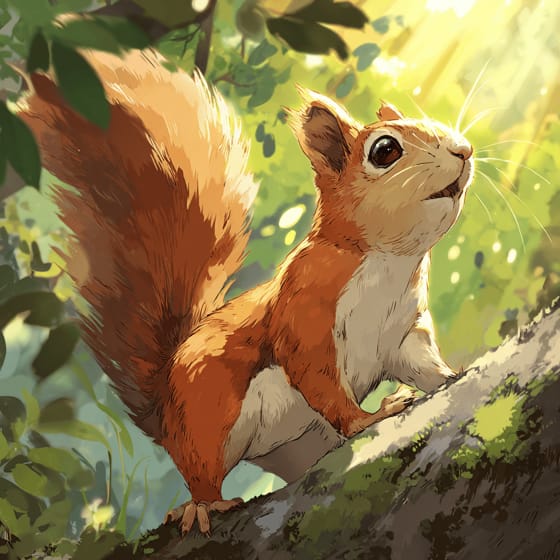
Sciurus carolinensis
eats the fleshy seeds
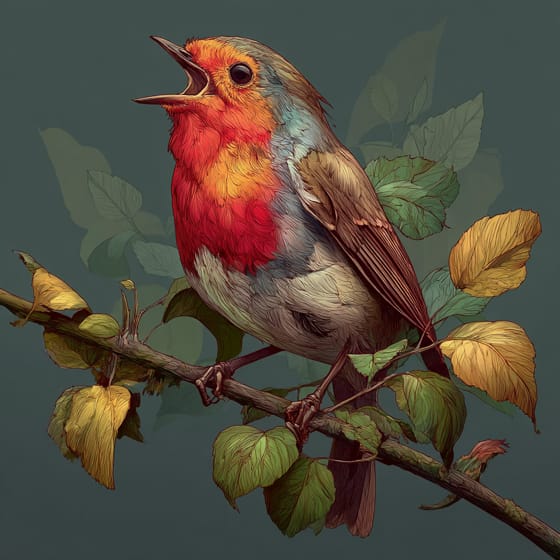
Turdus migratorius
nests in branches
Trametes versicolor
decomposes fallen wood
Deciduous plants periodically shed all their leaves, typically during autumn or dry seasons.
Broadleaf trees are angiosperms characterized by flat, wide leaves that are typically shed annually in temperate climates.
Medicinal plants possess chemical compounds that can be used for therapeutic purposes to treat illnesses or maintain health.
Fall color refers to the seasonal change in foliage pigmentation, primarily in deciduous plants, displaying vibrant hues.

This trait signifies organisms belonging to a very old evolutionary group with ancestors dating back millions of years.

This trait characterizes organisms with an exceptionally long lifespan compared to others of their kind.

This habitat trait indicates species that can coexist with humans in urban and suburban environments, utilizing man-made structures and green spaces.
Danger
1/5 · Very low
Do not pick or eat anything you find. Some plants and mushrooms can be harmful.
The easiest way to identify Ginkgo is to use the Snappit nature identifier app.
20-35 m
10-20 m
Yes
100-400 cm
1000-3000 years
City streets and parks
Fleshy seed
Zoom in to split clusters and explore where this object has been snapped.
Take the discovery with you
Snap it with Snappit to identify it, learn what makes it special, and add the discovery to your collection.