Wych Elm
Ulmus glabra
The Wych Elm is a tall tree with rough leaves. Its branches are great for climbing and playing!
Habitat: Woodlands and hedgerows
The Wych Elm has a broad, domed crown and rough, dark grey bark that develops fissures with age. Its distinctive dark green leaves are large, rough to the touch, and famously asymmetrical at their base, often with a pointed tip.
Category
TreesRarity
Rare
Danger
1/5 · Very low
Snaps
1
Its wood is incredibly tough and water-resistant, historically used for wagon wheels and boats!
The rough leaves of a Wych Elm were once used like sandpaper for polishing wood.
Their distinctive winged seeds look like miniature green flying saucers hanging from branches.
Wych Elms bloom tiny, petal-less red flowers in early spring, even before their leaves appear.
Wych Elm has a deep, strong root system that anchors soil, helping it thrive on steep hillsides and prevent erosion.
Wych Elm can vigorously sprout new shoots from its base or roots if the main trunk is cut, allowing it to regenerate.
Wych Elm produces winged seeds (samaras) that are easily carried by the wind, helping it spread and colonize new areas.
Scolytus scolytus
Larvae tunnel and feed under the bark.
Phyllonorycter tristigella
Larvae create mines within its leaves.
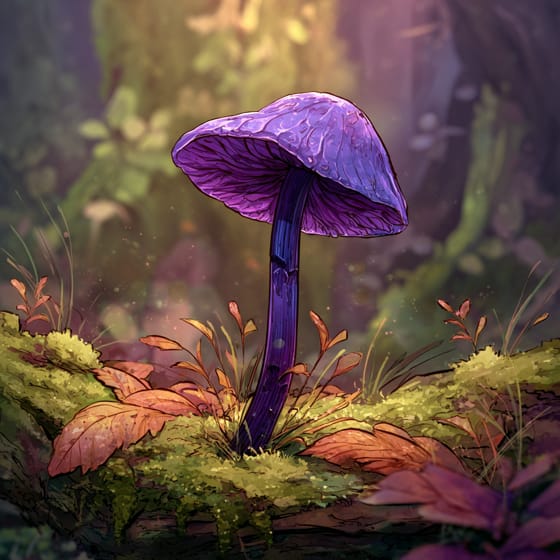
Laccaria amethystina
Forms mycorrhizal relationship with its roots.
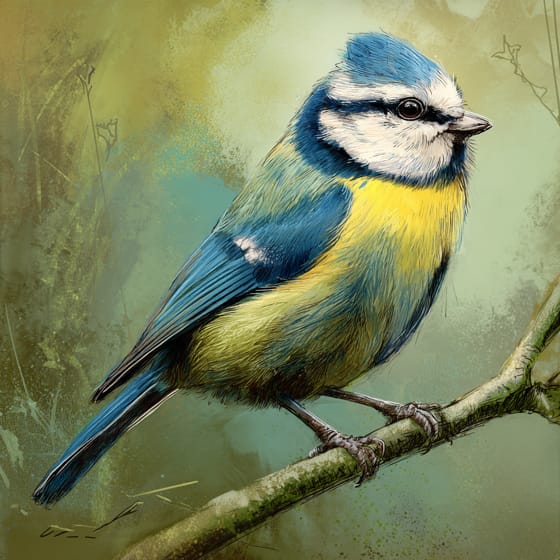
Cyanistes caeruleus
Nests in its branches and feeds on insects.
Deciduous plants periodically shed all their leaves, typically during autumn or dry seasons.
Broadleaf trees are angiosperms characterized by flat, wide leaves that are typically shed annually in temperate climates.
Fruit-bearing plants produce fruits, which are the mature ovaries of flowering plants containing seeds.
Forest habitats are terrestrial environments dominated by dense tree cover, supporting a high diversity of plant and animal life.

This trait characterizes organisms with an exceptionally long lifespan compared to others of their kind.
Danger
1/5 · Very low
Do not pick or eat anything you find. Some plants and mushrooms can be harmful.
The easiest way to identify Wych Elm is to use the Snappit nature identifier app.
20-40 m
10-20 m
Yes
60-150 cm
100-300 years
Woodlands and hedgerows
Samara
Zoom in to split clusters and explore where this object has been snapped.
Take the discovery with you
Snap it with Snappit to identify it, learn what makes it special, and add the discovery to your collection.