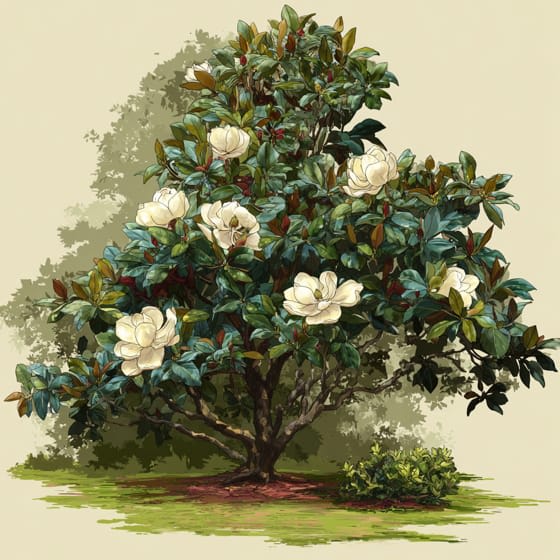





Southern Magnolia
Magnolia grandiflora
The Southern Magnolia is known for its large, glossy leaves and big white flowers. It’s a popular tree in the southern United States!
Habitat: Southern gardens
The Southern Magnolia is a majestic tree with large, fragrant, creamy-white flowers up to 12 inches across. Its glossy, dark green leaves have a distinctive rusty-brown, felt-like underside, making it easy to identify.
Category
TreesRarity
Common
Danger
1/5 · Very low
Snaps
38
Fossil magnolias prove these trees grew when dinosaurs roamed the Earth!
Its huge flowers evolved before bees, so they are pollinated by beetles!
Magnolia flowers close at night to save their sweet perfume for daytime visitors.
The sturdy wood of this tree is surprisingly often used to make furniture!
Southern Magnolia has tough, leathery evergreen leaves that help it survive cold winters and resist damage.
Its enormous, sweet-smelling white flowers attract many beetles and other pollinators, ensuring the tree can reproduce.
The bright red seeds inside its cone-like fruit attract birds, who help carry and plant new magnolias.
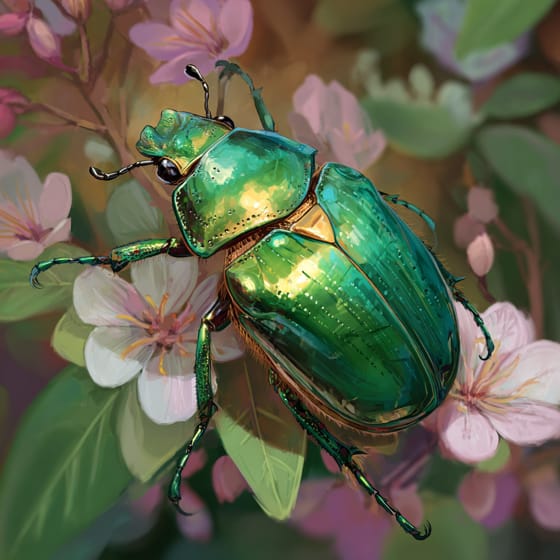
Popillia japonica
Visits flowers, helping spread pollen.
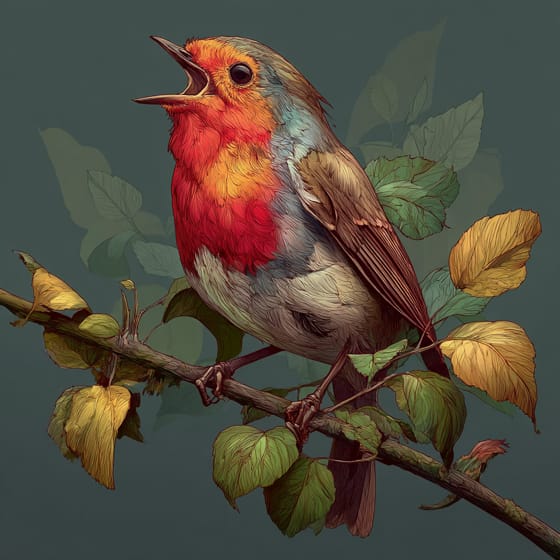
Turdus migratorius
Feeds on the bright red seeds.
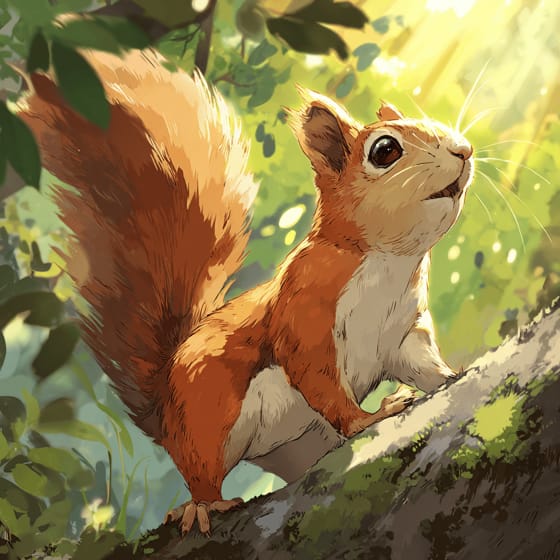
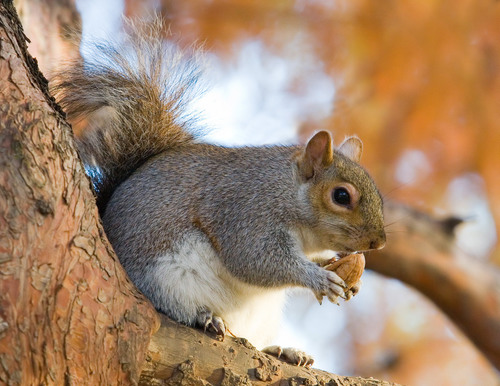
Sciurus carolinensis
Often builds nests in its branches.
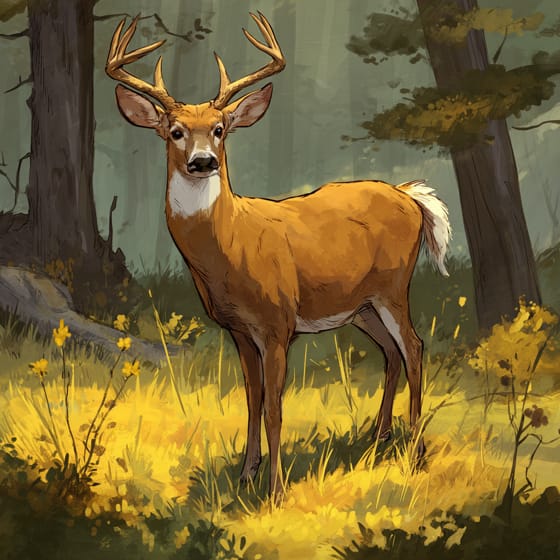
Odocoileus virginianus
Browses on young leaves and shoots.
Shade tolerant plants are adapted to grow and thrive in areas with low light levels, requiring less direct sunlight.
Broadleaf trees are angiosperms characterized by flat, wide leaves that are typically shed annually in temperate climates.
Evergreen plants retain their foliage throughout the year, never shedding all their leaves at once.
Fragrant flowers emit a pleasant aroma, often to attract pollinators or for defense.

Forest habitats are terrestrial environments dominated by dense tree cover, supporting a high diversity of plant and animal life.
Danger
1/5 · Very low
Do not pick or eat anything you find. Some plants and mushrooms can be harmful.
The easiest way to identify Southern Magnolia is to use the Snappit nature identifier app.
18-30 m
9-15 m
No
60-120 cm
80-150 years
Southern gardens
Aggregate of follicles
Zoom in to split clusters and explore where this object has been snapped.

Georgia, US
You might spot Common Vetch, Tiny Bluet, and Carolina Crane's-Bill.
View guide →

Georgia, US
You might spot Gulf Fritillary, Anole, and American Beautyberry.
View guide →

Alabama, US
You might spot Eastern Box Turtle, Carolina Wren, and Field Sparrow.
View guide →
Georgia, US
You might spot Eastern Gray Squirrel, Domestic Cat, and American Robin.
View guide →

Georgia, US
You might spot Joro Spider, American Sweetgum, and American Tuliptree.
View guide →

Georgia, US
You might spot Eastern Gray Squirrel, Domestic Cat, and Anole.
View guide →
Take the discovery with you
Snap it with Snappit to identify it, learn what makes it special, and add the discovery to your collection.











