





Siberian Husky
Canis lupus familiaris
A Siberian Husky is a sled dog with a thick coat and bright eyes. It enjoys cool weather and loves to run with a team.
Habitat: Homes with secure yards; cooler parks and trails
The Siberian Husky is a medium-sized dog known for its thick double coat, erect triangular ears, and striking almond-shaped eyes that can be blue, brown, or even one of each. Many have distinctive mask-like markings on their face, contrasting with their varied coat colors like black, gray, red, or pure white.
Category
MammalsRarity
Common
Danger
3/5 · Moderate
Snaps
Be the first to snap!
Huskies are escape artists, known for digging under fences and climbing over them!
Siberian Huskies have a remarkable ability to change their metabolism while running.
Their ancestors were bred by the Chukchi people for transportation and companionship.
They rarely bark but often 'talk' with expressive howls and woos.
Siberian Huskies can run long distances in frigid temperatures because of their strong build and efficient gait.
Siberian Huskies have a dense double coat that helps them stay warm in extreme cold, even down to -50°C.
Siberian Huskies have an excellent sense of smell and hearing that helps them detect things from far away.
A typical Husky eats prepared dog food and occasional meat treats to stay healthy.
Age differences: Puppies need specialized food for growth, then transition to adult formulas.
Dirofilaria immitis
Mosquitoes transmit this worm, which can infect the heart and lungs.
Ctenocephalides felis
These tiny insects feed on Husky blood, causing itching and discomfort.
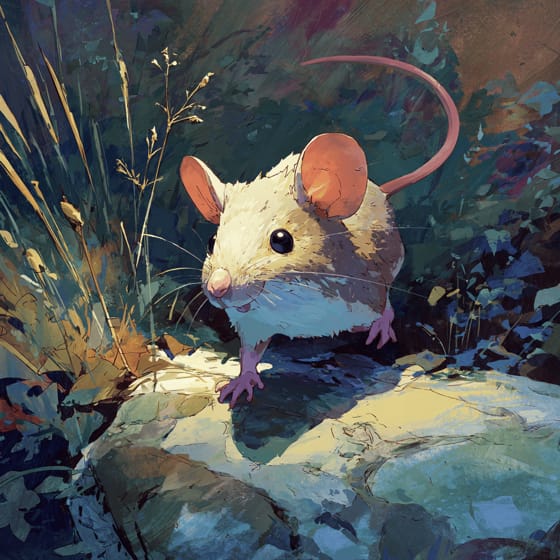
Mus musculus
A Husky might chase and catch small rodents, especially if bored.
Homo sapiens
Siberian Huskies rely on humans for food, shelter, and companionship.
Furry describes animals possessing a dense covering of soft hair or fur.
Social animals live in organized groups, cooperating for survival benefits such as foraging, defense, and raising offspring.
Thermoregulating organisms maintain a stable internal body temperature despite fluctuations in the external environment.
This trait describes organisms that manipulate external objects to achieve a specific goal.

Domesticated refers to species that have been selectively bred and tamed by humans for specific purposes.

This habitat trait identifies species found in temperate rainforests, characterized by significant rainfall, mild temperatures, and dense evergreen or deciduous forests in coastal regions.

This trait identifies organisms whose diet consists entirely or primarily of animal tissue.

This habitat trait indicates species that can coexist with humans in urban and suburban environments, utilizing man-made structures and green spaces.
No aliases listed yet.
Danger
3/5 · Moderate
Keep gates closed—Huskies are skilled escape artists and fast runners.
The easiest way to identify Siberian Husky is to use the Snappit nature identifier app.
50-60 cm
16-27 kg
12-15 years
45 km/h
A typical Husky eats prepared dog food and occasional meat treats to stay healthy.
Homes with secure yards; cooler parks and trails
Foraging
Zoom in to split clusters and explore where this object has been snapped.
Recent snaps will appear here as new observations are added.
Take the discovery with you
Snap it with Snappit to identify it, learn what makes it special, and add the discovery to your collection.




.jpg&width=800)



.JPG&width=800)



.jpg&width=800)
