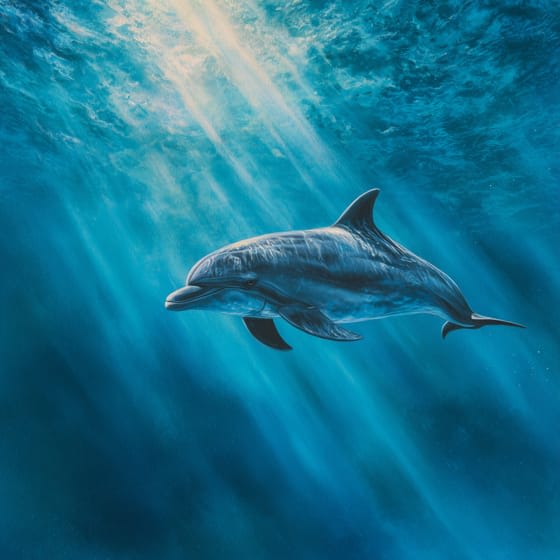





Bottlenose Dolphin
Tursiops truncatus
Bottlenose dolphins are friendly-looking marine mammals. They are very intelligent and social.
Habitat: Coastal waters and open seas.
The Bottlenose Dolphin has a sleek, torpedo-shaped body with a distinct, short, stubby snout, giving it its 'bottlenose' name. Its skin is typically dark grey on the back, fading to lighter grey sides and a white or pinkish belly.
Category
MammalsRarity
Common
Danger
2/5 · Low
Snaps
34
Dolphins sleep by resting half their brain at a time!
Dolphins use unique whistle 'names' to identify each other!
Some dolphins can jump over 15 feet high out of the ocean!
They can hold their breath for over 10 minutes underwater!
Bottlenose Dolphins can create high-frequency clicks that bounce off objects, allowing them to 'see' their surroundings in murky waters.
Bottlenose Dolphins have a powerful tail fluke that helps them propel through water at incredible speeds and perform agile maneuvers.
Bottlenose Dolphins can communicate with whistles and clicks over long distances, helping them coordinate hunting and stay connected.
Bottlenose dolphins are clever hunters who love to eat fish and squid from the ocean!
Age differences: Young dolphins drink milk from their mothers and gradually learn to hunt small fish and squid.
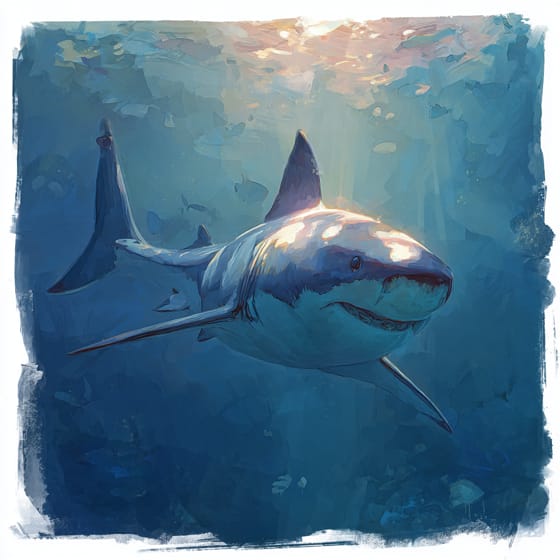
Carcharodon carcharias
Great white sharks are known predators of bottlenose dolphins.
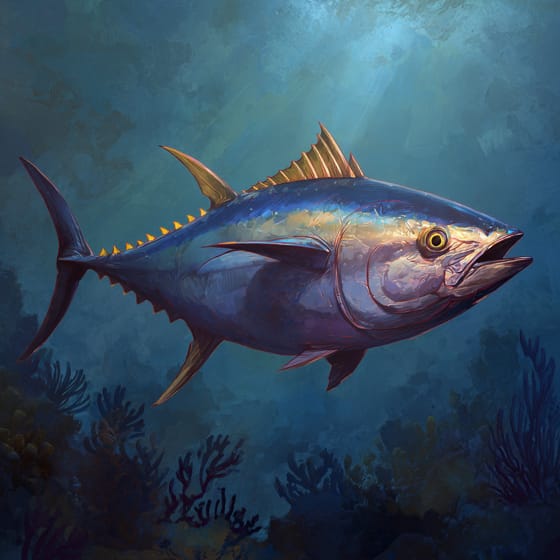
Thunnus thynnus
Dolphins often hunt schools of tuna and other large fish species.
Loligo pealeii
Bottlenose dolphins actively pursue and consume various species of squid.
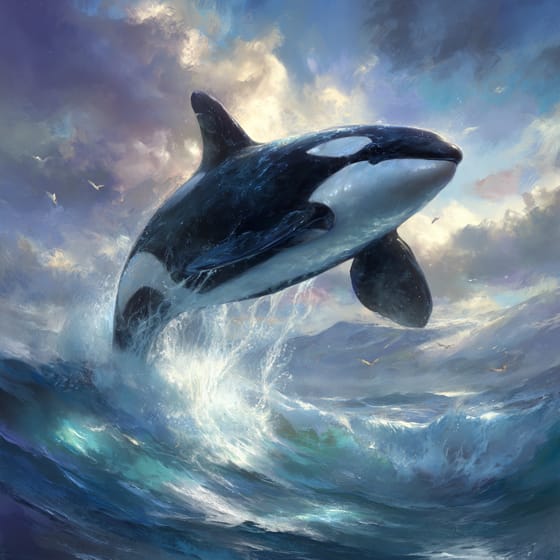
Orcinus orca
Orcas are apex predators that sometimes hunt bottlenose dolphins.
Furry describes animals possessing a dense covering of soft hair or fur.
Social animals live in organized groups, cooperating for survival benefits such as foraging, defense, and raising offspring.
Piscivorous organisms are animals that primarily subsist on a diet of fish.
This trait describes organisms that manipulate external objects to achieve a specific goal.

Echolocation is a biological sonar used by animals to navigate, hunt, and communicate by emitting sound waves and interpreting the echoes.

Coastal habitats are dynamic environments located along the interface between land and sea, influenced by tides, waves, and saltwater.

Aquatic habitats encompass environments where organisms live predominantly in water, including oceans, rivers, lakes, and wetlands.

Marine habitats encompass all saltwater environments of the Earth's oceans, supporting an immense diversity of aquatic life.
Danger
2/5 · Low
Do not swim too close to wild dolphins.
The easiest way to identify Bottlenose Dolphin is to use the Snappit nature identifier app.
200-400 cm
150-650 kg
30-50 years
35 km/h
Bottlenose dolphins are clever hunters who love to eat fish and squid from the ocean!
Coastal waters and open seas.
Pursuit
Zoom in to split clusters and explore where this object has been snapped.

Florida, US
You might spot Brown Pelican, Black Spiny-Tailed Iguana, and Sea Grape.
View guide →

California, US
You might spot Orca, Bottlenose Dolphin, and Beluga Whale.
View guide →

Spain, ES
You might spot Giant Panda, Koala, and Bottlenose Dolphin.
View guide →

Florida, US
You might spot Sand Tiger Shark, Octopus, and North American River Otter.
View guide →

British Columbia, CA
You might spot Bald Eagle, Great Blue Heron, and Seal.
View guide →

Östergötland County, SE
You might spot Tiger, Gorilla, and Bottlenose Dolphin.
View guide →
Take the discovery with you
Snap it with Snappit to identify it, learn what makes it special, and add the discovery to your collection.





.jpg&width=800)



.JPG&width=800)



.jpg&width=800)
