
African Elephant

Nestled in the breathtaking karstic landscape of Cantabria, Spain, Parque de la Naturaleza de Cabárceno offers a truly unique wildlife experience that transcends the traditional zoo concept.
Nestled in the breathtaking karstic landscape of Cantabria, Spain, Parque de la Naturaleza de Cabárceno offers a truly unique wildlife experience that transcends the traditional zoo concept. This extraordinary nature park, built on the site of a former open-pit iron mine, sprawls across 750 hectares, providing vast, semi-wild habitats for over 120 species from five continents. It's a place where human intervention has harmoniously blended with nature to create an impressive setting where animals roam with considerable freedom, offering visitors unparalleled opportunities to observe them in environments that closely mimic their natural homes.
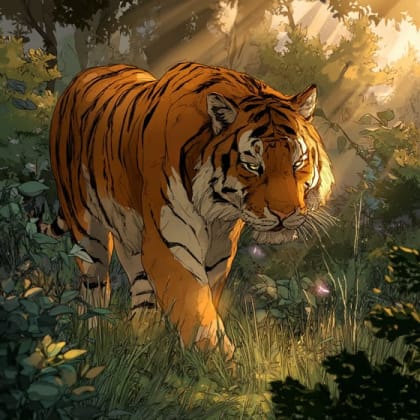
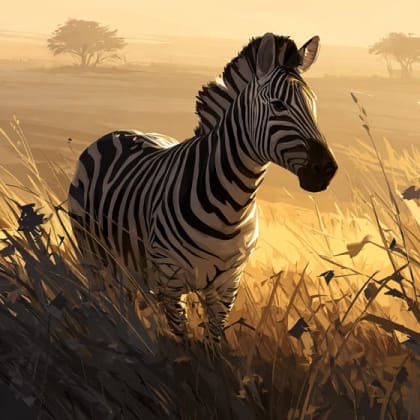
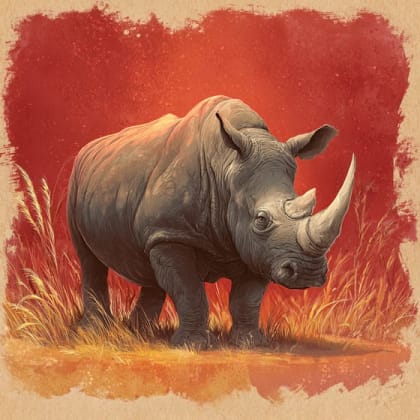
The park is renowned for its diverse animal inhabitants, including majestic African elephants, which boast the largest captive herd outside of Africa and a highly successful breeding program. Visitors can also marvel at the powerful Cantabrian brown bears in their expansive 35-hectare enclosure, spot graceful giraffes and Grévy's zebras, and observe impressive big cats like lions and Bengal tigers. Beyond these iconic mammals, the park is home to primates like Western Lowland Gorillas and Olive Baboons, as well as rhinos, hippos, and a fascinating reptile house featuring venomous snakes like cobras and rattlesnakes. Don't miss the engaging birds of prey and sea lion shows, which offer entertaining insights into animal behavior.
More than just a tourist attraction, Parque de la Naturaleza de Cabárceno is a vital center for conservation, education, and scientific research, actively participating in programs for endangered species. The dramatic landscape, with its gorges, lakes, and unique rock formations, combined with the chance to see animals thriving in such naturalistic settings, makes for an unforgettable adventure. Whether you're driving through its 20 kilometers of roads, soaring above the landscape on the cable car for panoramic views, or exploring its botanical routes, Cabárceno promises an immersive and memorable encounter with the natural world. Be ready to snap and learn! Get the Snappit app to identify any nature species you find here.
Parque de la Naturaleza de Cabárceno occupies the site of a former open-pit iron mine. This karstic landscape, rich in geological formations, was transformed after the mine closed in 1989. The ambitious vision of the local mayor led to the creation of a wildlife park, aiming to restore the area's natural beauty and provide a unique home for animals. The park is now owned by Cantur, a tourism state-owned enterprise of the Government of Cantabria. It was conceived with two primary purposes: the conservation of endangered species and environmental education. Former mine workers were even retrained as keepers and groundsworkers, contributing to the park's development and success.
Drive through the park's extensive network of roads to observe animals in their large enclosures. Take a cable car ride for aerial perspectives. Explore walking trails and botanical routes. Attend the birds of prey and sea lion shows. Look out for the Western Lowland Gorillas, lions, Bengal tigers, giraffes, rhinos, and hippos.
Spring/Autumn: Mild weather, vibrant greenery, ideal for photography.
Summer: Longer opening hours, but prepare for crowds and potentially high temperatures. Animals might seek shade during the hottest parts of the day.
Winter: Fewer crowds, but colder temperatures and animals may be less visible.
Many viewing platforms and main paths are accessible, though some grades can be steep due to the natural terrain. The cable car is generally suitable for families, and staff can assist with boarding. The park has numerous parking areas and footpaths, and roads are shared by vehicles and pedestrians.
Home to the largest captive herd outside of Africa and a successful breeding program.
Observe these magnificent animals in their vast, natural habitat.
Two lines offer breathtaking panoramic views of the entire park and its inhabitants.
Witness eagles and falcons in impressive aerial demonstrations.
Each card links to a full Explore page with photos, traits, and fun facts.
Start with the big picture, then zoom in to explore individual wildlife observations around this place.
Arrive early
The park is vast, so arriving early ensures you have ample time to explore without feeling rushed, especially on weekends and holidays.
Drive your car
The park has over 20 km of roads, and driving allows you to easily move between different animal enclosures and viewpoints. Free parking is available throughout the park.
Utilize the cable car
Take advantage of the two cable car lines for spectacular aerial views of the entire park, its karstic landscape, and the animals below. Some cabins even have glass floors for an extra thrill.
Bring binoculars
Animals often have very large enclosures, so binoculars will enhance your viewing experience, allowing for closer observation of those further away.
Wear comfortable shoes and clothing
There will be a fair amount of walking, especially if you plan to explore footpaths and viewpoints. Dress in layers, considering the weather.
Check show schedules
Plan your visit around the timings for the birds of prey and sea lion shows to ensure you don't miss these engaging demonstrations.
Mar 1, 2026
Nov 28, 2025
Nov 22, 2025
Nov 11, 2025
Nov 7, 2025

Michigan, US
You might spot African Lion, Komodo Dragon, and Brown Bear.
View guide →
.jpg)
Municipal District of Cobh, IE
You might spot Ring-Tailed Lemur, Giraffes, and Cheetahs.
View guide →

Nouvelle-Aquitaine, FR
You might spot Greater Flamingo, Giraffes, and Red Panda.
View guide →

Texas, US
You might spot Giraffes, African Lion, and Eastern Black Rhinoceros.
View guide →
Take the discovery with you
Identify the wildlife you spot, learn as you go, and keep a collection of the adventure.