





Magnolia
Magnolia
The Magnolia is a beautiful tree with large, fragrant flowers. It blooms in spring and is often a favorite in gardens.
Habitat: Gardens and parks
The Magnolia has large, often fragrant flowers in white, pink, purple, or yellow, distinctively opening from fuzzy buds. Its leaves are typically large and glossy green, sometimes with fuzzy undersides, standing out against its smooth or furrowed bark. The unique cone-like fruit with bright red seeds adds a splash of color after flowering.
Category
TreesRarity
Common
Danger
1/5 · Very low
Snaps
Be the first to snap!
Certain magnolia varieties are used to make herbal teas in some cultures. Wow!
Magnolias are living fossils; they existed before dinosaurs! Wow!
Some magnolia flowers can grow as big as a dinner plate. Wow!
The durable magnolia wood is used for furniture and musical instruments. Wow!
Magnolia seeds are often bright red and covered in a fleshy coating, which helps birds spot and carry them far away to grow new trees.
Some Magnolia species develop fuzzy coats on their flower buds, protecting the delicate blooms from cold snaps in early spring.
Cotinis nitida
Attracted by magnolia's ancient flowers.
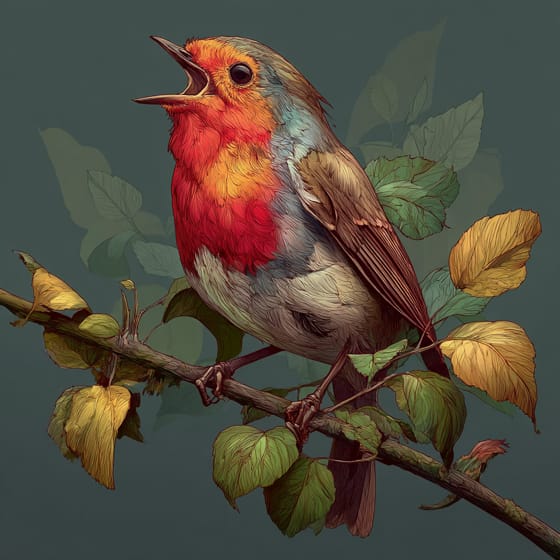
Turdus migratorius
Feeds on the bright red, fleshy magnolia seeds.
Neolecanium cornuparvum
A tiny insect that feeds on magnolia sap.
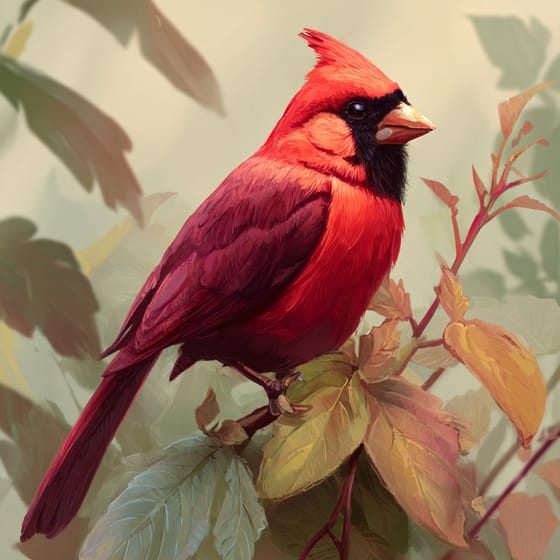
Cardinalis cardinalis
Builds nests among the dense branches and leaves.
Deciduous plants periodically shed all their leaves, typically during autumn or dry seasons.
Flowering plants are any plants that produce flowers as part of their reproductive cycle.
Ornamental plants are cultivated primarily for their aesthetic appeal, enhancing landscapes and gardens with their attractive foliage, flowers, or form.
Spring blooming plants produce their flowers during the spring season, often signifying the end of winter and the start of new growth.

Broadleaf trees are angiosperms characterized by flat, wide leaves that are typically shed annually in temperate climates.

Fragrant flowers emit a pleasant aroma, often to attract pollinators or for defense.

This trait signifies organisms belonging to a very old evolutionary group with ancestors dating back millions of years.

This habitat trait indicates species that can coexist with humans in urban and suburban environments, utilizing man-made structures and green spaces.
Danger
1/5 · Very low
Do not pick or eat anything you find. Some plants and mushrooms can be harmful.
The easiest way to identify Magnolia is to use the Snappit nature identifier app.
6-30 m
4-15 m
No
30-120 cm
80-120 years
Gardens and parks
Cone-like aggregate of follicles with red seeds
Zoom in to split clusters and explore where this object has been snapped.
Recent snaps will appear here as new observations are added.

North Carolina, US
You might spot Pine, Sequoia, and Black Locust.
View guide →
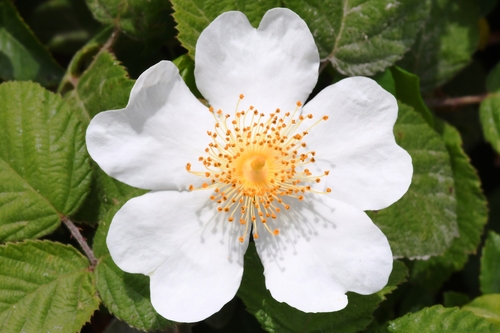
Virginia, US
You might spot Roses, Onions, and Broadleaf Arrowhead.
View guide →
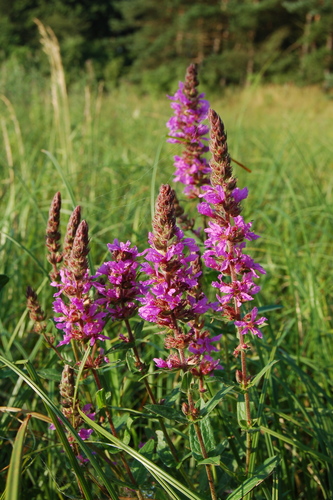
Virginia, US
You might spot Purple Loosestrife, Haircap Mosses, and Magnolias.
View guide →
Oregon, US
You might spot Ivy, Plums, Cherries, and Allies, and Tree-Of-Heaven.
View guide →
Take the discovery with you
Snap it with Snappit to identify it, learn what makes it special, and add the discovery to your collection.










