Magnolia
Muddy Hole Farm Park offers a refreshing escape in Alexandria, Virginia, spanning 13.
Muddy Hole Farm Park offers a refreshing escape in Alexandria, Virginia, spanning 13.6 acres of vibrant community space. This picturesque park seamlessly blends recreational opportunities with a tranquil natural setting, making it a beloved spot for both active individuals and those seeking peaceful communion with nature. Its lush greenery and serene atmosphere provide a welcoming environment where visitors can unwind and engage with the outdoors.
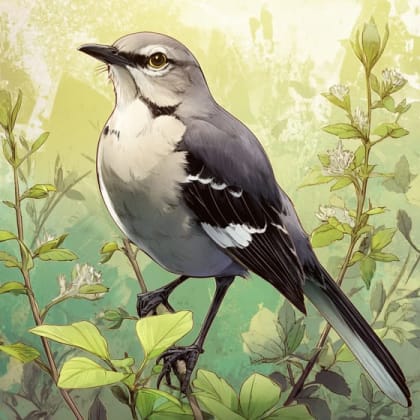
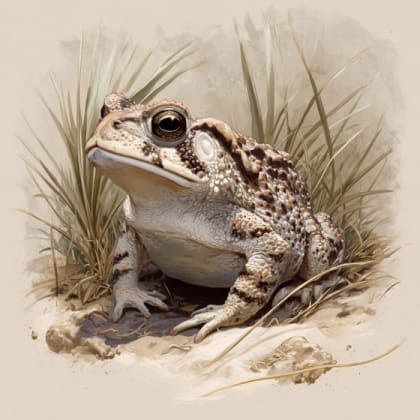
The park boasts a variety of amenities, including well-maintained trails perfect for walking, running, and hiking through scenic landscapes. Families will appreciate the Leisure Playground, while sports enthusiasts can enjoy the tennis courts, basketball courts, and open fields for football or soccer. Beyond recreation, Muddy Hole Farm Park is a haven for local wildlife. Keep an eye out for the vibrant Northern Mockingbird and the cheerful Carolina Chickadee among the trees. Delicate Gray Hairstreak and Tawny-edged Skipper butterflies can be spotted flitting through sunlit clearings, while the calls of Southern Leopard Frogs and Fowler's Toads might echo near wetter areas. The park's diverse flora includes impressive magnolias and intricate haircap mosses.
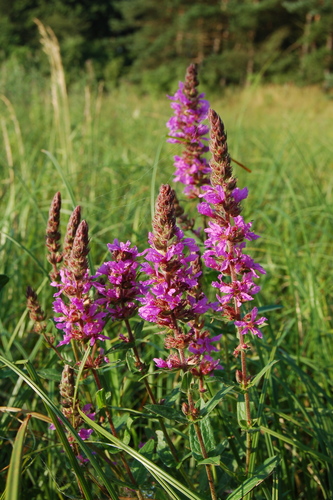
Whether you're looking for an invigorating workout, a leisurely stroll, or a quiet moment surrounded by nature, Muddy Hole Farm Park offers a memorable experience. Its unique combination of community facilities and natural beauty provides a perfect urban oasis. Visitors can explore the delicate beauty of Seedbox plants, discover various fungi such as amanita mushrooms and Cracked Cap Polypore, or observe unique invertebrates like the Black-and-gold Flat Millipede. This park is truly a special place where every visit offers a chance to connect with both community and the natural world. Planning to visit? Download the Snappit app to identify the wildlife you spot in real-time.
Muddy Hole Farm Park carries a significant historical legacy as it occupies land that was once part of George Washington's extensive Mount Vernon estate. Known historically as "Muddy Hole Farm," it was one of five farms comprising the plantation, located in its northeast corner alongside Little Hunting Creek. George Washington acquired portions of this land between 1754 and 1769. During Washington's ownership, Muddy Hole Farm was an active agricultural site where he experimented with cash crops, notably growing hemp in 1765 and 1766 as he diversified away from tobacco. The farm's operations, like the rest of Mount Vernon, relied on the labor of enslaved people; in 1799, 41 enslaved individuals resided and worked at Muddy Hole Farm. Upon Washington's death, the farm passed to his nephew. The transformation from a historical farm to the community park we know today occurred when Muddy Hole Farm Park officially opened to the public in 1979.
Enjoy a walk, run, or hike along the paved, easy trails. Play a game on the sports courts or let children explore the playground. Engage in birdwatching to spot Northern Mockingbirds and Carolina Chickadees, or look for butterflies like the Gray Hairstreak and Tawny-edged Skipper. Discover diverse plant life such as magnolias, haircap mosses, and unique fungi.
Spring: Witness magnolias and other flowering plants in bloom. Birds are highly active, and you might see young wildlife.
Summer: Enjoy lush greenery, though be prepared for hot and humid conditions.
Fall: Experience vibrant foliage and comfortable temperatures, ideal for hiking.
Winter: Offers serene, peaceful walks with fewer crowds. Bundle up as it can be cold.
Muddy Hole Farm Park features easily accessible and well-maintained paved trails, suitable for individuals of all abilities. The trails are linear, typically less than half a mile long, and characterized by a flat to gentle slope with a width of 2-4 feet. The playground area has a mulch surface.
The scenic walking and running trails, the Leisure Playground for children, and various sports facilities including tennis courts, basketball courts, and open fields.
Each card links to a full Explore page with photos, traits, and fun facts.
Start with the big picture, then zoom in to explore individual wildlife observations around this place.
Wear appropriate footwear
Comfortable walking or running shoes are recommended for enjoying the trails.
Stay hydrated
Bring water, especially when visiting during warmer months.
Bring binoculars
Enhance your wildlife viewing experience by using binoculars for birdwatching or observing smaller creatures like butterflies.
Leash your pets
Pets are welcome but must be kept on a leash, and owners are expected to clean up after them.
Visit during off-peak times
For a more peaceful experience and increased chances of wildlife sightings, consider visiting early in the morning, late in the afternoon, or on weekdays.
Capture the beauty
Don't forget your camera to photograph the diverse flora, fauna, and scenic views within the park.
Jan 17, 2026
Jan 17, 2026
Dec 20, 2025
Dec 19, 2025
Dec 15, 2025

Maryland, US
You might spot White-Tailed Deer and Eastern Gray Squirrel.
View guide →
.jpg)
District of Columbia, US
You might spot Eastern Gray Squirrel, Duck, and House Sparrow.
View guide →

Illinois, US
You might spot American Robin, Canada Goose, and House Sparrow.
View guide →

Virginia, US
You might spot Spotted Lanternfly and Northern Cardinal.
View guide →
Take the discovery with you
Identify the wildlife you spot, learn as you go, and keep a collection of the adventure.