





Malagasy giant rat
Hypogeomys antimena
The Malagasy giant rat is a big, fluffy rodent from Madagascar! It loves to dig and find tasty roots and fruits in its forest home. These special rats are very friendly and curious.
Habitat: Forests
The Malagasy giant rat has a distinct appearance with large ears, big eyes, and powerful, long hind legs designed for hopping. Its soft fur is grey-brown on top, fading to white underneath, and it has a long, mostly hairless tail.
Category
MammalsRarity
Rare
Danger
1/5 · Very low
Snaps
Be the first to snap!
Malagasy giant rats can leap over one meter, almost like a mini kangaroo!
They often clean each other's fur, a sign of their strong family bonds!
They only live in a tiny part of Madagascar, making them super rare!
This rat is one of the largest rodents in the world!
Malagasy giant rat can leap like a rabbit because its powerful hind legs help it escape danger quickly.
Malagasy giant rat can dig intricate tunnel systems that provide safe homes and nurseries for its family.
Malagasy giant rat has big ears and eyes that help them find food and spot predators in the dark forest.
Malagasy giant rat can stay with the same partner for life, raising babies together in their shared burrow.
They munch on plants, finding fruits, leaves, and roots to keep their energy up!
Age differences: Young rats drink mother's milk and gradually start eating solid plant foods.

Cryptoprocta ferox
Its main natural predator in the Malagasy forests.
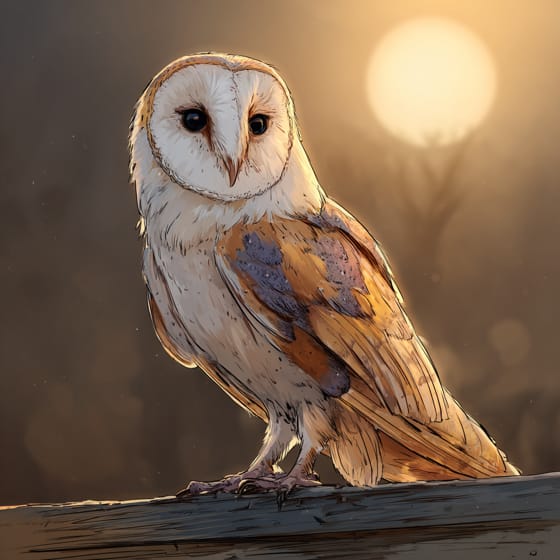
Tyto alba
Hunts the giant rat, especially vulnerable young, from the air.
Felis catus
An introduced predator, posing a significant threat to populations.
Furry describes animals possessing a dense covering of soft hair or fur.
Social animals live in organized groups, cooperating for survival benefits such as foraging, defense, and raising offspring.
Burrowing animals dig tunnels and chambers in the ground, using these subterranean structures for shelter, hunting, or breeding.
This trait characterizes organisms whose diet consists entirely or primarily of plant material.

Forest habitats are terrestrial environments dominated by dense tree cover, supporting a high diversity of plant and animal life.

Giant describes organisms or objects of significantly larger size than average for their species or type.

Threatened status denotes a species likely to become endangered in the foreseeable future without effective conservation interventions.
No aliases listed yet.
Danger
1/5 · Very low
Always watch from a distance and don't try to touch wild animals.
The easiest way to identify Malagasy giant rat is to use the Snappit nature identifier app.
50-60 cm
1-1.5 kg
5-8 years
18 km/h
They munch on plants, finding fruits, leaves, and roots to keep their energy up!
Forests
Foraging
Zoom in to split clusters and explore where this object has been snapped.
Recent snaps will appear here as new observations are added.
Take the discovery with you
Snap it with Snappit to identify it, learn what makes it special, and add the discovery to your collection.




.jpg&width=800)



.JPG&width=800)

.jpg&width=800)
