


Eastern White Pine
Yantacaw Park, a true gem nestled in Nutley, New Jersey, offers a serene and picturesque escape into nature.
Yantacaw Park, a true gem nestled in Nutley, New Jersey, offers a serene and picturesque escape into nature. This charming urban oasis spans 28.75 acres and is beautifully traversed by the Third River, providing a tranquil backdrop for visitors seeking outdoor recreation and natural beauty. Its well-maintained paths invite gentle strolls and invigorating runs, making it a beloved spot for both active individuals and those simply looking to unwind amidst lush surroundings. The park’s name, derived from the Lenni-Lenape words meaning "place of the wood boundary," hints at its rich history and deep connection to the natural landscape.
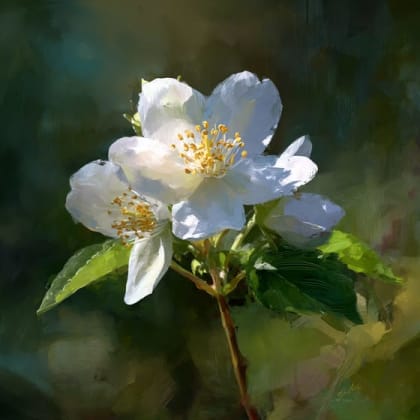
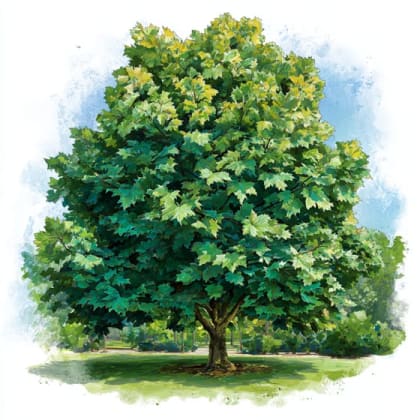
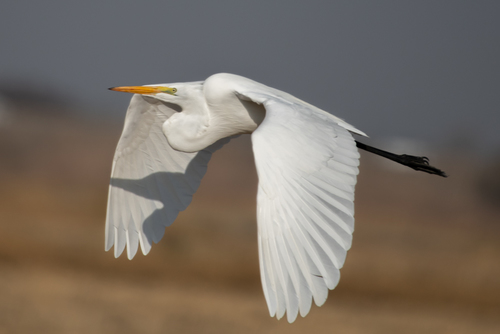
The park is a haven for diverse flora and fauna, offering glimpses of various species throughout the seasons. Birdwatchers might spot a Great Egret gracefully wading in the Third River or hear the cooing of a Mourning Dove and the distinctive call of a Northern Cardinal. Common sightings include Mallards and Canada Geese on the water, while the trees are home to the industrious Red-bellied Woodpecker and Eastern Gray Squirrels. The landscape is adorned with magnificent eastern white pine and northern red oak trees, alongside flowering dogwood and eastern redbud that add vibrant splashes of color in spring.
Whether you're exploring the scenic 0.3-mile loop or embarking on the more extensive 3.7-mile trail that links to Kingsland Park, Yantacaw Park promises a refreshing experience. Its accessible, paved paths ensure enjoyment for all ages and abilities, while designated dog-friendly areas, complete with swimming spots, welcome furry companions. This blend of natural tranquility, recreational opportunities, and accessibility makes Yantacaw Park an unforgettable destination for families, nature enthusiasts, and anyone looking to reconnect with the outdoors. Be ready to snap and learn! Get the Snappit app to identify any nature species you find here.
The history of Yantacaw Park dates back to the early 20th century, with Essex County beginning to acquire land for its creation in 1911. The park officially came to fruition in 1914. Initially, wetlands were drained, and a dam was constructed to form a lake, shaping the park's early landscape. However, in 1962, the lake was drained, and a channel was dug to allow the Third River to flow more naturally through the park, restoring its riparian character. The park's design was influenced by the renowned Olmsted Brothers, and its name, "Yantacaw," is derived from the Lenni-Lenape words signifying "place of the wood boundary," reflecting its ancient significance as a gathering spot for annual feasts.
Enjoy a leisurely walk or run, picnic, observe local wildlife like Great Egrets, Mourning Doves, and Eastern Gray Squirrels, and photograph various plant species such as flowering dogwood and eastern redbud. Children can enjoy the playground, and sports enthusiasts can utilize the fields.
Spring: Witness the park come alive with blooming yellow trout lilies, eastern redbuds, and flowering dogwood. Migratory birds begin to appear.
Summer: Enjoy lush greenery, warm weather (can be humid), and active wildlife. Dog swimming areas are popular.
Fall: Experience stunning foliage from northern red oaks and Norway maples. Cooler temperatures are pleasant for longer walks.
Winter: The park transforms with cold and potentially snowy conditions. Still suitable for peaceful walks, but dress warmly.
Yantacaw Park is easily accessible, featuring well-maintained, paved, and mostly flat paths suitable for walking, running, and wheelchair users.
Walking and running paths along the Third River.
Playground and sports facilities (baseball, softball, basketball courts).
Off-leash dog area and swimming spot for dogs.
Segment of the 36-mile Lenape Trail.
Each card links to a full Explore page with photos, traits, and fun facts.
Start with the big picture, then zoom in to explore individual wildlife observations around this place.
Check the weather
Prepare for varying conditions; winters can be cold and snowy, while summers are warm and humid.
Bring water and waste bags for pets
If visiting with a dog, ensure you have these essentials, as water fountains might not be available.
Wear appropriate footwear
Trails are generally well-maintained, but comfortable shoes are recommended for walking or running.
Visit during spring or fall
These seasons offer the most comfortable temperatures and beautiful natural displays of flora.
Explore beyond the main paths
Discover the segment of the Lenape Trail for a longer adventure or visit the connecting Kingsland Park.
Look for parking options
The park location offers nearby free parking, making it convenient for visitors.
Dec 31, 2025
Nov 2, 2025
Sep 29, 2025
Sep 8, 2025
Aug 30, 2025

Maryland, US
You might spot White-Tailed Deer and Eastern Gray Squirrel.
View guide →
.jpg)
District of Columbia, US
You might spot Eastern Gray Squirrel, Duck, and House Sparrow.
View guide →

Illinois, US
You might spot American Robin, Canada Goose, and House Sparrow.
View guide →

Virginia, US
You might spot Spotted Lanternfly and Northern Cardinal.
View guide →
Take the discovery with you
Identify the wildlife you spot, learn as you go, and keep a collection of the adventure.