





Northern Short-tailed Shrew
Blarina brevicauda
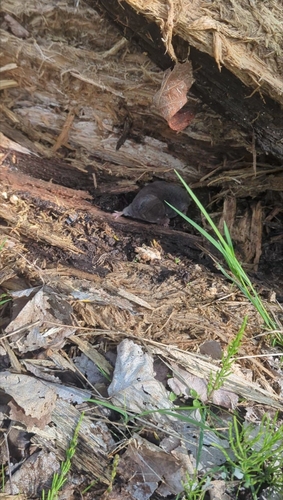
The Northern Short-tailed Shrew is a tiny mammal with a long snout and velvety fur. It's a busy creature that loves to explore and hunt for insects in the dark.
Habitat: Forests
The Northern Short-tailed Shrew has a stout body covered in uniform dark slate grey fur, which is noticeably darker than most other shrews. It features a short, sparsely furred tail, a long pointed snout, and tiny eyes and ears almost hidden by its dense fur.
Category
MammalsRarity
Common
Danger
3/5 · Moderate
Snaps
18
Shrews eat up to three times their body weight every single day to survive!
They can sometimes "caravan" their young, with each baby holding onto the tail of the one in front!
This tiny mammal has a heart that beats up to 1,200 times per minute!
Unlike most mammals, its teeth have reddish-brown tips from iron deposits, making them super strong!
Northern Short-tailed Shrew can inject paralyzing venom from glands in its jaw because it helps them subdue larger prey.
Northern Short-tailed Shrew can use high-frequency sounds to echolocate, which helps them find food and navigate in dark tunnels.
Northern Short-tailed Shrew can dig extensive underground tunnels because it provides shelter and helps them find hidden food sources.
Northern Short-tailed Shrew has an incredibly fast metabolism that helps them stay warm and active, even in cold conditions.
These tiny hunters eat bugs, worms, and even small animals to fuel their super-fast metabolism.
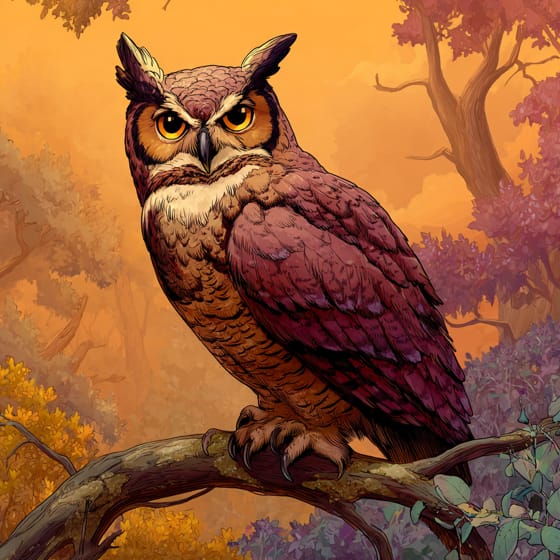
Bubo virginianus
Owls often prey on shrews, despite their potent bite.
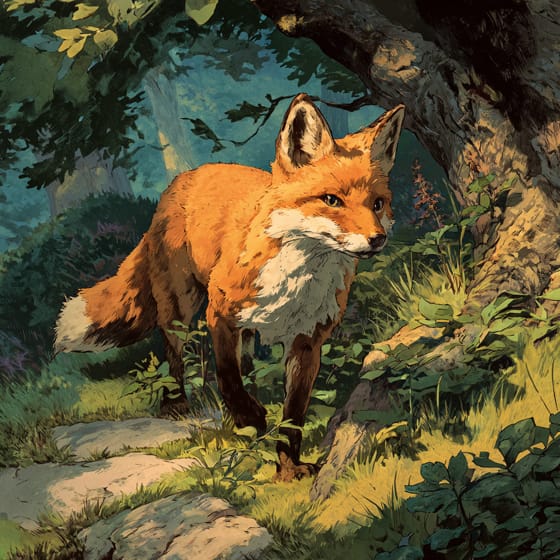
Vulpes vulpes
Foxes may hunt shrews, though often find them unpalatable.
Lumbricus terrestris
Shrews actively hunt earthworms in their underground tunnels.

Peromyscus leucopus
Shrews can subdue and eat small rodents found in their habitat.
Wildlife encompasses all undomesticated animal and plant life existing in their natural habitats.
Furry describes animals possessing a dense covering of soft hair or fur.
Burrowing animals dig tunnels and chambers in the ground, using these subterranean structures for shelter, hunting, or breeding.
This trait identifies organisms whose diet primarily consists of insects and other small invertebrates.

Forest habitats are terrestrial environments dominated by dense tree cover, supporting a high diversity of plant and animal life.

Nocturnal animals are primarily active during the nighttime hours, typically resting or sleeping during the day.

Venomous organisms produce toxins that are injected into another animal, typically through a bite or sting.
Danger
3/5 · Moderate
Avoid handling shrews as they have sharp teeth and may bite if scared.
The easiest way to identify Northern Short-tailed Shrew is to use the Snappit nature identifier app.
10-13 cm
0.015-0.028 kg
1-2 years
7 km/h
These tiny hunters eat bugs, worms, and even small animals to fuel their super-fast metabolism.
Forests
Foraging
Zoom in to split clusters and explore where this object has been snapped.
May 26, 2026
Buffalo and Erie County Botanical GardensPhoto attribution
no rights reserved
License: CC0 1.0 ↗
Image may be shown cropped inside the card frame.

Iowa, US
You might spot Common Eastern Bumble Bee and Eastern Cottontail.
View guide →

Connecticut, US
You might spot Garlic Mustard and Common Eastern Bumble Bee.
View guide →

Ohio, US
You might spot American Cancer-Root and Christmas Fern.
View guide →

New Jersey, US
You might spot Virginia Springbeauty, Wineberry, and Multiflora Rose.
View guide →

Massachusetts, US
You might spot Common Eastern Bumble Bee, Bee, and American Robin.
View guide →
Tennessee, US
You might spot Red Panda, Snow Leopard, and Chimpanzee.
View guide →
Take the discovery with you
Snap it with Snappit to identify it, learn what makes it special, and add the discovery to your collection.





.jpg&width=800)


.JPG&width=800)


.jpg&width=800)
