




Oxyartes Lamellatus
oxyartes lamellatus
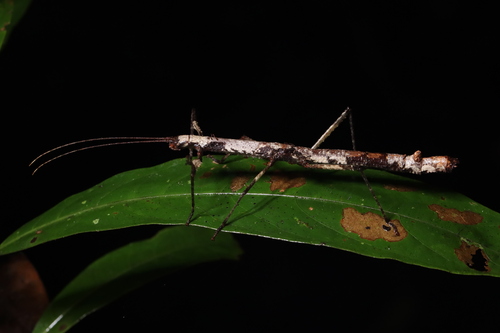
The Orange-winged stick insect (Oxyartes lamellatus) is a captivating member of the order Phasmida, native to the lush tropical forests of Vietnam. Renowned for its remarkable sexual dimorphism and intricate camouflage, this species resembles a dry, thorny twig to escape the watchful eyes of predators. While females are robust, heavily textured, and wingless, the slender males possess a stunning secret: vibrant orange hindwings that they flash when startled. In both captivity and the wild, these nocturnal insects spend their days motionless, blending seamlessly into the foliage. As night falls, they come alive to feed on host plants, using specialized tarsi to navigate vertical leaves. Their gentle nature and dramatic defensive displays make them a favorite among entomologists and insect hobbyists alike, serving as a perfect example of nature's evolutionary creativity.
Habitat: Found in the dense tropical rainforests and understory vegetation of Vietnam, where they cling to host shrubs and low-lying trees.
Females of Oxyartes lamellatus are notably large and robust, measuring up to 13 cm in length, with a bark-like grey-brown body adorned with small thorns and leaf-like lobes on their legs. Males are much smaller, reaching around 7 to 8 cm, extremely slender, and dark brown to nearly black. The most striking visual cue is found on the males, who possess short, functional forewings and bright orange-red hindwings that remain hidden at rest but are exposed during flight or defensive displays.
Category
InsectsRarity
Common
Danger
1/5 · Very low
Snaps
Be the first to snap!
Their eggs look remarkably like plant seeds, which helps protect them from being eaten by seed-eating forest floor animals.
They practice thanatosis, a defense mechanism where they play dead, stiffening their limbs to look exactly like a fallen twig.
Unlike many stick insects, the males of this species can fly short distances using their beautifully colored orange wings.
When threatened, males flash their bright orange hindwings to startle predators, creating a sudden burst of color that buys them time to escape.
Both sexes perfectly mimic dry twigs, using their brown coloration, body nodules, and swaying movements in the wind to blend into forest foliage.
Females can lay fertile eggs without mating with a male, producing clone-like female offspring when mates are scarce in the habitat.
They feed exclusively on the leaves of various plants, consuming forest foliage under the cover of darkness.
Age differences: Nymphs consume softer, younger leaves, while adults can feed on tougher, mature foliage.
Rubus fruticosus
Serves as a primary food source for both nymphs and adults.

Gekko gecko
A common nocturnal predator in the Vietnamese rainforest that feeds on stick insects.
Heterometrus spinifer
Preys on ground-dwelling or low-climbing stick insects at night.
Furry describes animals possessing a dense covering of soft hair or fur.
Social animals live in organized groups, cooperating for survival benefits such as foraging, defense, and raising offspring.
This trait identifies organisms whose diet includes both plant and animal matter.
Forest habitats are terrestrial environments dominated by dense tree cover, supporting a high diversity of plant and animal life.
No aliases listed yet.
Collections for this object will appear here as more themes are added.
Danger
1/5 · Very low
No special safety notes yet.
Look for six legs, antennae, three body sections and the shape of the wings. Beetles have hardened front wings; flies have just one working pair. Tiny insects may need a close view before their group is clear. Insect Identifier: upload a photo and compare the visible details.
7+ cm
0+ cm
0.002+ kg
1+ years
They feed exclusively on the leaves of various plants, consuming forest foliage under the cover of darkness.
Found in the dense tropical rainforests and understory vegetation of Vietnam, where they cling to host shrubs and low-lying trees.
Grazing
Zoom in to split clusters and explore where this object has been snapped.
Recent snaps will appear here as new observations are added.
Take the discovery with you
Snap it with Snappit to identify it, learn what makes it special, and add the discovery to your collection.