Pelt Lichens
peltigera
Pelt lichens are fascinating organisms that look like little green or grey patches on rocks and trees! They help nature by breaking down rocks and providing food for tiny creatures.
Habitat: Pelt lichens thrive in damp, shaded areas, often found on rocks, trees, and soil.
The Pelt Lichens has large, leafy, often wavy lobes that can be greenish-gray to brown when wet. Its underside is typically pale with distinct, root-like structures called rhizines. It often grows flat or slightly ruffled, resembling a patch on the ground.
Category
FungiRarity
Common
Danger
0/5 · No known danger
Snaps
Be the first to snap!
If you dry them out, they become brittle, but re-hydrate when it rains!
Some Pelt Lichens can live for hundreds of years in the same spot!
These lichens are actually two amazing organisms living together as one!
They are super sensitive to pollution, like nature's tiny air quality testers!
Pelt Lichens can make their own nitrogen because of tiny partners called cyanobacteria that help them grow in poor soil.
Pelt Lichens has special cells that absorb nutrients directly from the air, which helps them survive in many places.
Pelt Lichens can soak up a lot of water quickly when it rains, allowing them to thrive in damp environments.
Nostoc commune
Provides vital nitrogen for the lichen.
Rangifer tarandus
Grazes on lichen as a crucial winter food.
Arion rufus
Feeds on the lichen's thallus.
Solitary animals live alone for most of their lives, only interacting with others for mating or parental care.
Camouflaged describes organisms that possess coloring or patterns that allow them to blend into their environment.
Colorful describes organisms or objects displaying a wide range of bright and distinct colors.
Describes organisms that break down dead organic material, recycling nutrients back into the ecosystem.

Forest habitats are terrestrial environments dominated by dense tree cover, supporting a high diversity of plant and animal life.
Danger
0/5 · No known danger
No special safety notes yet.
The easiest way to identify Pelt Lichens is to use the Snappit nature identifier app.
0.5-5 cm
inedible
Pelt lichens thrive in damp, shaded areas, often found on rocks, trees, and soil.
soil
Year-round
Zoom in to split clusters and explore where this object has been snapped.
Recent snaps will appear here as new observations are added.
British Columbia, CA
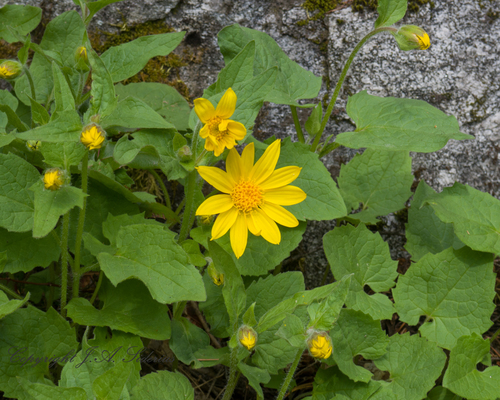
You might spot Heartleaf Arnica, Douglas Fir, and Oregon Grape.
View guide →
British Columbia, CA
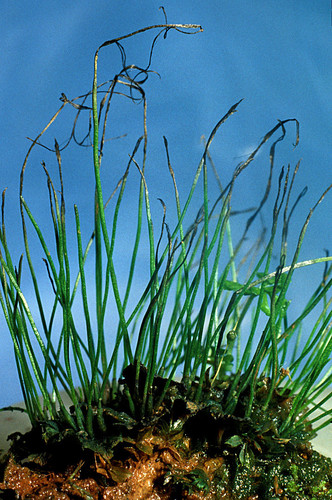
You might spot Hornwort, Silverleaf Phacelia, and Big Rough Fescue.
View guide →
Take the discovery with you
Snap it with Snappit to identify it, learn what makes it special, and add the discovery to your collection.