


Pisolithus tinctorius
Pisolithus tinctorius
Pisolithus tinctorius, also known as the dog turd fungus, is a unique mushroom that resembles animal droppings. It plays an essential role in forest ecosystems by aiding in decomposition.
Habitat: Forests
The Pisolithus tinctorius is a distinctive yellow to ochre-brown fungus, often appearing like a lumpy, misshapen puffball or earthball. Its surface can be smooth to warted, and when mature, it breaks open to reveal a dark, powdery mass of spores. Internally, it is filled with small, pea-like compartments called peridioles.
Category
FungiRarity
Common
Danger
2/5 · Low
Snaps
1
Farmers sometimes add its spores to tree seedlings to help them grow bigger and stronger!
Its nickname 'dyeball' comes from its powerful pigments used by artists for dyeing textiles!
This fungus can help clean up polluted soil by absorbing heavy metals, like a tiny natural sponge!
While not tasty, its unusual internal structure looks like tiny peas packed together!
Pisolithus tinctorius forms a special partnership with tree roots that helps them absorb vital nutrients like phosphorus and nitrogen.
Pisolithus tinctorius has unique pigments inside that allow it to be used as a natural dye, creating beautiful yellow and brown colors.
Pisolithus tinctorius helps host trees tolerate drought and poor soil conditions, making them stronger in challenging environments.
Pinus ponderosa
Helps pine absorb water and nutrients from poor soils.
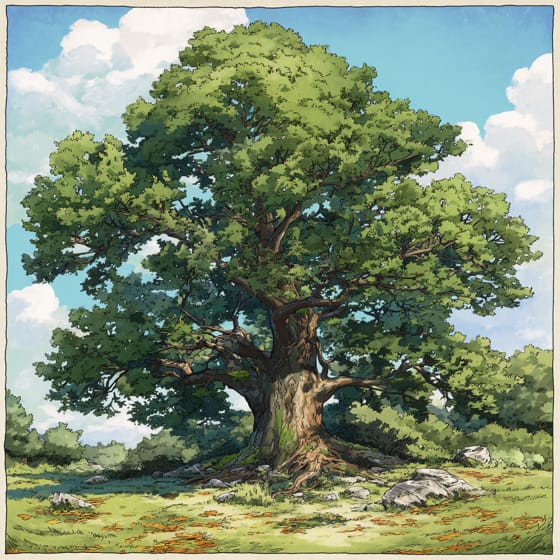
Quercus robur
Forms mycorrhizal connections, boosting oak tree growth.
Eucalyptus globulus
Enhances nutrient uptake for eucalyptus trees in various climates.
This trait describes a symbiotic relationship between a fungus and the roots of a plant, benefiting both organisms.
Spore-producing organisms reproduce by releasing small, often single-celled, reproductive units called spores.
Describes organisms that break down dead organic material, recycling nutrients back into the ecosystem.
Forest habitats are terrestrial environments dominated by dense tree cover, supporting a high diversity of plant and animal life.
Danger
2/5 · Low
Avoid touching or consuming wild mushrooms as some can be harmful. Always admire them from a safe distance.
The easiest way to identify Pisolithus tinctorius is to use the Snappit nature identifier app.
5-20 cm
inedible
Forests
soil
Summer and fall
Dark brown
Zoom in to split clusters and explore where this object has been snapped.
Take the discovery with you
Snap it with Snappit to identify it, learn what makes it special, and add the discovery to your collection.