



Protoceratops
Protoceratops andrewsi
Protoceratops was a prehistoric dinosaur known for its distinctive features. Scientists study its bones to learn about how dinosaurs lived.
Habitat: Mesozoic forests and floodplains
The Protoceratops has a sturdy, medium-sized body with a large, bony neck frill and a parrot-like beak. It lacked prominent facial horns, setting it apart from later ceratopsians. Its skin might have been patterned in earthy browns and greens for camouflage.
Category
AncientRarity
Common
Danger
1/5 · Very low
Snaps
Be the first to snap!
Famous fossils show a Protoceratops locked in battle with a Velociraptor.
Its name means "first horned face," even though it surprisingly had no horns!
Many Protoceratops fossils have been found together, suggesting they lived in herds.
Scientists have discovered fossilized Protoceratops nests with baby dinosaurs inside.
Protoceratops has a broad bony frill that helps protect its neck from predators.
Protoceratops has a strong, parrot-like beak that helps it snip tough desert plants.
Protoceratops has powerful jaw muscles and teeth that help it grind fibrous vegetation.
A plant-eater with a strong beak for snipping and grinding tough desert vegetation.
Tarbosaurus bataar
A primary predator in its arid habitat.
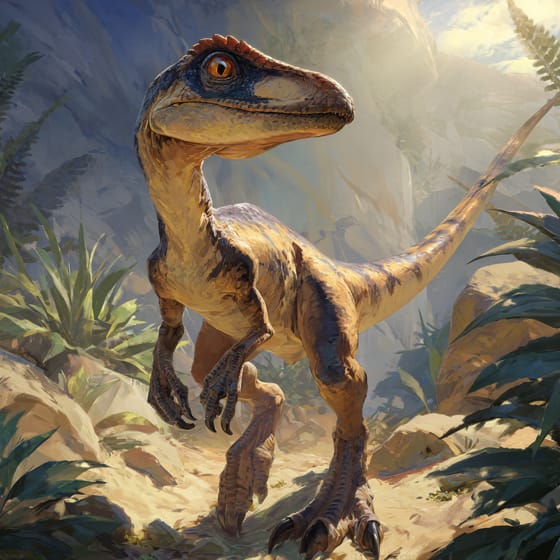
Velociraptor mongoliensis
Hunted young or smaller Protoceratops.
Shamosuchus djadochtaensis
Crocodile relative that ambushed juveniles.
Colorful describes organisms or objects displaying a wide range of bright and distinct colors.
Ancient refers to organisms, objects, or geological formations that have existed for an extremely long period.
An artifact is an object made or modified by human culture, typically of historical or archaeological interest.
A fossil is the preserved remains or traces of an ancient organism embedded in rock or other geological deposits.
No aliases listed yet.
Danger
1/5 · Very low
While extremely dangerous in their time, this creature is now extinct.
The easiest way to identify Protoceratops is to use the Snappit nature identifier app.
1.8-2.5 m
150-400 kg
A plant-eater with a strong beak for snipping and grinding tough desert vegetation.
Mesozoic forests and floodplains
Grazing
Cretaceous Period
71
Zoom in to split clusters and explore where this object has been snapped.
Recent snaps will appear here as new observations are added.
Take the discovery with you
Snap it with Snappit to identify it, learn what makes it special, and add the discovery to your collection.