_..._Filey_Brig_%2C_Yorkshire_(53266204391).jpg&width=800)





Purple Sandpiper
Calidris maritima
The Purple Sandpiper is a small bird that loves to stay near the ocean. It has beautiful purple-gray feathers and enjoys hopping on rocky shores to find food like tiny crabs and worms.
Habitat: Coastal areas
The Purple Sandpiper is a stocky, medium-sized shorebird with dusky grey-brown plumage, often showing a subtle purplish sheen in good light. It has a yellowish base to its bill and short, yellow-orange legs. Its belly is white, contrasting with its dark, mottled back.
Category
BirdsRarity
Common
Danger
1/5 · Very low
Snaps
1
Baby Purple Sandpipers can leave their nests mere hours after hatching!
Its 'purple' color is usually only visible in just the right sunlight.
They often nest high up in the Arctic mountains, far from the sea.
This tough bird eats its meals while powerful waves crash all around it!
Purple Sandpiper can feed in crashing waves because its sturdy body and strong legs help it stay balanced on slippery rocks.
Purple Sandpiper has dense, insulating feathers that help it stay warm even in freezing Arctic winds and icy coastal waters.
Purple Sandpiper has short, strong toes that help it grip seaweed-covered rocks, preventing slips in turbulent conditions.
These birds mostly eat small ocean creatures they find clinging to rocks and seaweed in the intertidal zone.
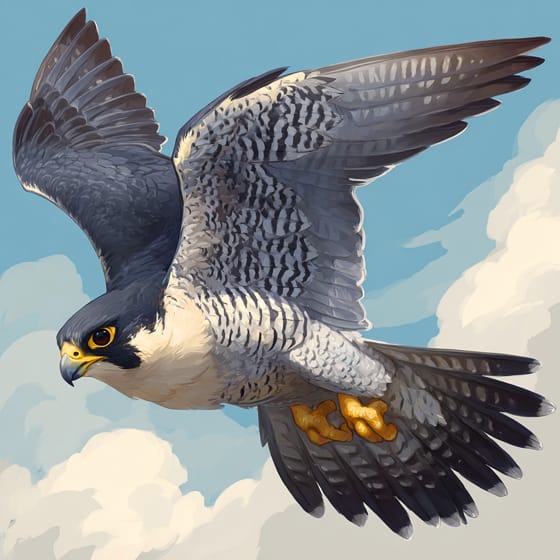
Falco peregrinus
hunts sandpipers during migration
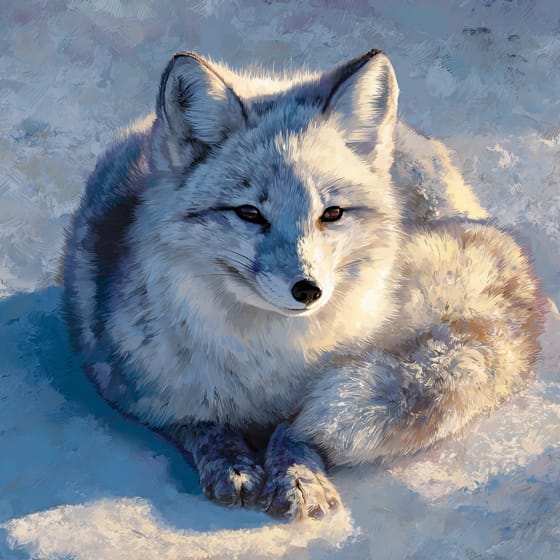
Vulpes lagopus
preys on eggs and chicks
Littorina littorea
eats these marine snails

Mytilus edulis
pries open and eats mussels
Feathered describes animals, primarily birds, possessing a covering of feathers.
Social animals live in organized groups, cooperating for survival benefits such as foraging, defense, and raising offspring.
Colorful describes organisms or objects displaying a wide range of bright and distinct colors.
Coastal habitats are dynamic environments located along the interface between land and sea, influenced by tides, waves, and saltwater.

This trait identifies organisms whose diet consists entirely or primarily of animal tissue.

Diurnal animals are primarily active during daylight hours, typically resting or sleeping at night.

This trait identifies organisms that exhibit exceptional swiftness in movement for hunting, escape, or travel.

Marine habitats encompass all saltwater environments of the Earth's oceans, supporting an immense diversity of aquatic life.

Migratory animals undertake seasonal movements from one region to another, typically in response to changes in climate or food availability.

Threatened status denotes a species likely to become endangered in the foreseeable future without effective conservation interventions.
No aliases listed yet.
Danger
1/5 · Very low
Always watch birds from a distance and do not try to touch them.
The easiest way to identify Purple Sandpiper is to use the Snappit nature identifier app.
20-22 cm
38-42 cm
0.05-0.105 kg
8-15 years
70 km/h
These birds mostly eat small ocean creatures they find clinging to rocks and seaweed in the intertidal zone.
Coastal areas
Zoom in to split clusters and explore where this object has been snapped.
Take the discovery with you
Snap it with Snappit to identify it, learn what makes it special, and add the discovery to your collection.





.jpg&width=800)






