Blackberry Bush

Caswell Memorial State Park offers a serene escape into one of California's last remaining riparian oak woodlands, teeming with diverse wildlife and picturesque landscapes along the Stanislaus River.
Caswell Memorial State Park offers a serene escape into one of California's last remaining riparian oak woodlands, teeming with diverse wildlife and picturesque landscapes along the Stanislaus River. This 258-acre state park near Ripon stands as a vital remnant of the once-widespread Central Valley riparian forest, providing a unique opportunity to experience California's natural heritage in a largely undisturbed state. It's a special place where ancient valley oaks provide a cooling canopy, inviting visitors to step back in time.
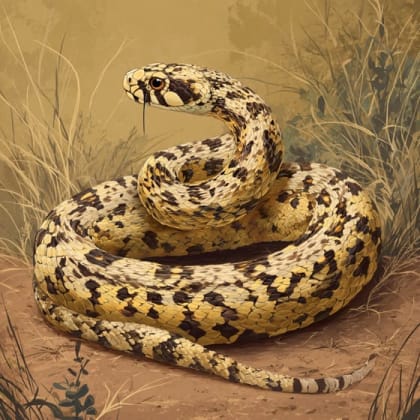
Beneath the majestic canopy of old-growth valley oaks and Frémont Cottonwoods, visitors can discover a rich tapestry of plant and animal life. The park's diverse flora includes vibrant California Wild Rose, California wild grape, blue elder, and golden currant. Birdwatchers are often delighted by sightings of species such as the majestic Turkey Vulture soaring overhead, or the active Spotted Towhee, Lesser Goldfinch, and California Scrub-Jay flitting through the undergrowth. While some wildlife, like the endangered riparian brush rabbit, are elusive, you might spot a Western Gray Squirrel scampering up an oak, or catch a glimpse of a Gopher Snake, Coyote, Common Raccoon, or Southern Alligator Lizard in their natural habitat.
Caswell Memorial State Park is more than just a beautiful landscape; it's a living museum offering a glimpse into what the Central Valley once was like before extensive development. Whether you're exploring the seemingly endless nature trails, enjoying a refreshing dip in the Stanislaus River, or simply picnicking under the ancient oaks, the park provides a deeply memorable connection to nature. Its commitment to preserving this rare ecosystem makes it an invaluable destination for those seeking tranquility, education, and outdoor adventure. Don't forget to bring the Snappit nature identification app along to scan local species.
For millennia before recorded history, the Yokuts Native Americans thrived along the Stanislaus River, utilizing its abundant resources for fish, acorns, and game. The park itself is named after Thomas Caswell, a landowner who cherished this forest and envisioned its preservation. In 1950, his children and grandchildren generously donated 134 acres of the forest to the people of California. With additional donations and state purchases, the park grew to its current size of 258 acres and officially opened to the public in 1958, fulfilling Caswell's dream of preserving this unique riparian woodland for future generations.
Enjoy hiking and exploring the nature trails, swimming in the Stanislaus River, fishing for bass, catfish, crappie, and bluegill (a valid California fishing license is required for ages 16 and older). Small, non-motorized boating like tubing, canoeing, and kayaking are also popular when river conditions permit. Picnicking under the shade of the oak trees is a favorite activity, and visitors can partake in wildlife viewing and seasonal ranger-led programs and campfire talks.
Summer temperatures often reach 85-100°F or more, making river activities appealing, but be prepared for mosquitoes. Winter temperatures typically range from 45-50°F. During late spring and early summer, river currents can be very strong due to snowmelt, making water activities potentially dangerous; always check conditions before entering the water, and life jackets are strongly recommended. A warning for "summer branch drop" from mature trees is also in effect, so exercise caution.
Caswell Memorial State Park offers accessible parking, restrooms, and showers. The 0.71-mile Loop Nature Trail is accessible, featuring compacted soil and generally flat slopes. Accessible picnic sites with tables and BBQ grills are also available. A beach wheelchair can be borrowed from the Ranger Station to assist with beach access.
The majestic riparian oak woodland itself, the Stanislaus River, the network of nature trails (including the accessible Loop Nature Trail), and diverse birdwatching opportunities.
Each card links to a full Explore page with photos, traits, and fun facts.
Start with the big picture, then zoom in to explore individual wildlife observations around this place.
Bring insect repellent
Especially during warmer months, mosquitoes can be prevalent, so come prepared.
Exercise caution on the river
There are no lifeguards, and river currents can be swift, particularly during spring snowmelt. Always wear a life jacket when in or near the water.
Stay on designated paths
Protect the sensitive ecosystem and ensure your safety by keeping to marked trails. Pets are not allowed on trails or beaches.
Check river conditions
Before planning any water activities like swimming or boating, inquire about current river conditions with park staff, especially during peak snowmelt seasons.
Make camping reservations
Campsites can fill up quickly, particularly during peak seasons. Reservations are highly recommended and can be made through ReserveCalifornia.
Be aware of "summer branch drop"
Otherwise healthy mature trees can unexpectedly drop branches, so be mindful of your surroundings, especially when hiking or choosing a campsite.
Dec 15, 2025
Dec 8, 2025
Nov 8, 2025
Nov 8, 2025
Nov 8, 2025

Maryland, US
You might spot White-Tailed Deer and Eastern Gray Squirrel.
View guide →
.jpg)
District of Columbia, US
You might spot Eastern Gray Squirrel, Duck, and House Sparrow.
View guide →

Illinois, US
You might spot American Robin, Canada Goose, and House Sparrow.
View guide →

Virginia, US
You might spot Spotted Lanternfly and Northern Cardinal.
View guide →
Take the discovery with you
Identify the wildlife you spot, learn as you go, and keep a collection of the adventure.