
African Elephant

The Municipal Zoological Garden in Warsaw, affectionately known as Warsaw Zoo, is a sprawling 40-hectare (99-acre) sanctuary nestled alongside the scenic Vistula River.
The Municipal Zoological Garden in Warsaw, affectionately known as Warsaw Zoo, is a sprawling 40-hectare (99-acre) sanctuary nestled alongside the scenic Vistula River. Home to over 11,000 animals representing more than 500 species, this popular destination attracts over 700,000 visitors annually, offering a captivating blend of nature, education, and relaxation right in the heart of the Polish capital. It's not just a place to see magnificent creatures; it's a "green island" that provides a vital escape from the urban bustle, inviting guests of all ages to embark on a journey of discovery.
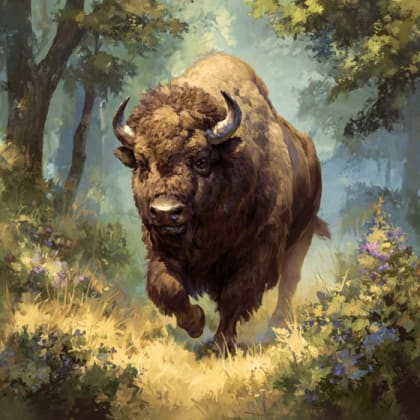
The zoo boasts a diverse collection of animals housed in modern, well-maintained enclosures that mimic their natural habitats. Highlights include the impressive Elephant House, the immersive Hippopotamus House with its captivating underwater viewing and a large shark aquarium featuring Poland's only sand tiger shark, and the Ape House, where visitors can observe gorillas and chimpanzees. You'll also encounter towering giraffes, majestic Indian rhinoceroses, and a vibrant array of birds in the Hall of Free Flight aviary. The zoo is actively involved in significant conservation efforts and breeding programs for endangered species such as the Przewalski's Horse, Maned Wolf, and European Bison, underscoring its commitment to protecting global biodiversity.
A visit to the Warsaw Zoo is an enriching experience that combines thrilling animal encounters with a profound sense of history. Beyond its wild residents, the zoo holds a poignant legacy from World War II, famously serving as a refuge for Jews escaping the Holocaust, a story immortalized in "The Zookeeper's Wife." This unique blend of conservation, education, and a moving historical narrative makes the Warsaw Zoo a truly memorable destination, offering something special for every visitor seeking wonder, learning, and reflection. Enhance your adventure: download the Snappit app to identify the local species you encounter.
The roots of the Warsaw Zoo can be traced back to 17th-century private menageries, with the concept of a public zoo gaining traction in the 19th century. The current Municipal Zoological Garden officially opened its gates on March 11, 1928, initially housing around 500 animals across 12 hectares. Jan Żabiński was appointed director in 1929 and, alongside his wife Antonina, he played a pivotal role in the zoo's development before World War II. The onset of World War II brought immense devastation, with bombings destroying large parts of the zoo and many animals being killed or transferred to Germany. During this dark period, Jan and Antonina Żabiński heroically used the bombed-out zoo and their private villa ("The House under the Crazy Star") to shelter over 300 Jews fleeing the Warsaw Ghetto, a courageous act of humanitarianism recognized posthumously. The zoo reopened on July 22, 1949, and underwent significant rebuilding and modernization. On January 1, 2023, the zoo was officially renamed the Antonina and Jan Żabiński Municipal Zoological Garden, honoring the couple's extraordinary legacy.
Beyond animal viewing, enjoy the playgrounds for children, take a ride on the trackless train, and learn about conservation efforts through educational exhibits. The zoo also hosts seasonal events throughout the year, including birthday celebrations and themed days.
In summer, expect vibrant outdoor activity and longer opening hours. In winter, many cold-sensitive species move indoors, making pavilions like the Elephant and Ape Houses focal points, and ticket prices are lower.
Warsaw Zoo is largely accessible, with ongoing improvements including wheelchair ramps and lifts in key enclosures like the Elephant House. Free entrance is provided for disabled individuals and their carers upon presentation of a valid ID. Children's carriages are available for free use. While the main walkways are well-maintained, some older buildings may have limited accessibility due to stairs.
Witness hippos swimming underwater and marvel at Poland's only sand tiger shark.
Observe the intelligent behaviors of gorillas and chimpanzees.
See the impressive African elephants, the largest land animals.
Get up close with these long-necked giants.
Each card links to a full Explore page with photos, traits, and fun facts.
Start with the big picture, then zoom in to explore individual wildlife observations around this place.
Arrive Early
Especially on weekends and holidays, arriving shortly after the 9:00 AM opening time ensures fewer crowds and easier parking.
Consider Public Transport
Parking can be limited; utilize Warsaw's efficient public transport (like Tram 26 to "Ratuszowa-ZOO" stop) or bicycles for a stress-free arrival.
Pack a Picnic
The zoo has restaurants and snack stands, but bringing your own food allows for a pleasant picnic experience at designated areas or benches.
Utilize Free Carts
For families with young children, free wooden carts are available at the entrance to help transport tired little ones. A trackless train also operates for longer distances.
Respect Animal Rules
Avoid feeding animals, throwing objects, or using flash photography in indoor exhibits to ensure the well-being of the residents.
Visit the Żabiński Villa
Don't miss this historically significant site. Check the zoo's website for tour times and booking information, as some tours might require advance arrangements.
Mar 3, 2026
Mar 3, 2026
Mar 1, 2026
Mar 1, 2026
Mar 1, 2026

Michigan, US
You might spot African Lion, Komodo Dragon, and Brown Bear.
View guide →
.jpg)
Municipal District of Cobh, IE
You might spot Ring-Tailed Lemur, Giraffes, and Cheetahs.
View guide →

Nouvelle-Aquitaine, FR
You might spot Greater Flamingo, Giraffes, and Red Panda.
View guide →

Texas, US
You might spot Giraffes, African Lion, and Eastern Black Rhinoceros.
View guide →
Take the discovery with you
Identify the wildlife you spot, learn as you go, and keep a collection of the adventure.