





Alligator Snapping Turtle
Macrochelys temminckii
The Alligator Snapping Turtle is a big turtle with a mouth that looks like an alligator! They are masters of camouflage.
Habitat: Rivers and lakes
The Alligator Snapping Turtle has a prehistoric look with a heavily ridged, dark brown or black shell, often covered in algae for camouflage. Its large, triangular head features a powerful, hooked beak and small, beady eyes. Its rugged skin is typically grey-brown.
Category
ReptilesRarity
Rare
Danger
5/5 · Extreme
Snaps
1
Some wild individuals have been known to live for over 70 years!
Their unique shell has three ridged keels, like a dinosaur's back!
They are the heaviest freshwater turtles in the world!
They can stay perfectly still for hours, waiting patiently for a meal!
Alligator Snapping Turtle can wiggle a worm-like lure on its tongue to attract unsuspecting fish directly into its powerful jaws.
Alligator Snapping Turtle has an incredibly strong bite force that helps them crush the shells of mollusks and even small bones with ease.
Alligator Snapping Turtle can blend perfectly with muddy riverbeds, using its rough shell and skin to disappear from view.
Alligator Snapping Turtle can absorb oxygen through its skin and throat, allowing them to stay submerged for hours.
An opportunistic hunter, eating fish, amphibians, and other small animals that come too close.
Age differences: Younger turtles eat more insects and smaller invertebrates, while adults consume larger prey.
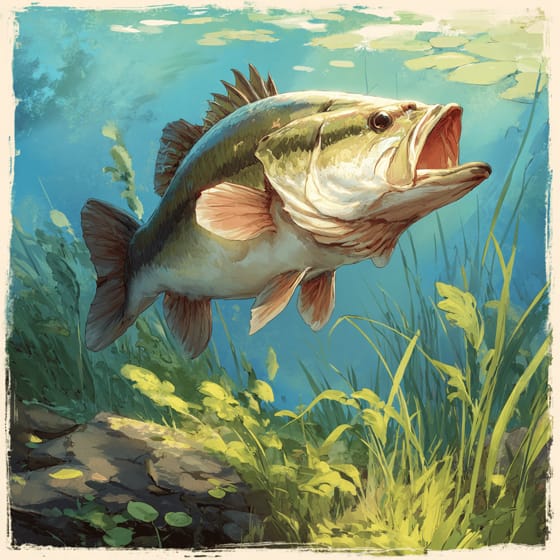
Micropterus salmoides
A common fish prey in its habitat.
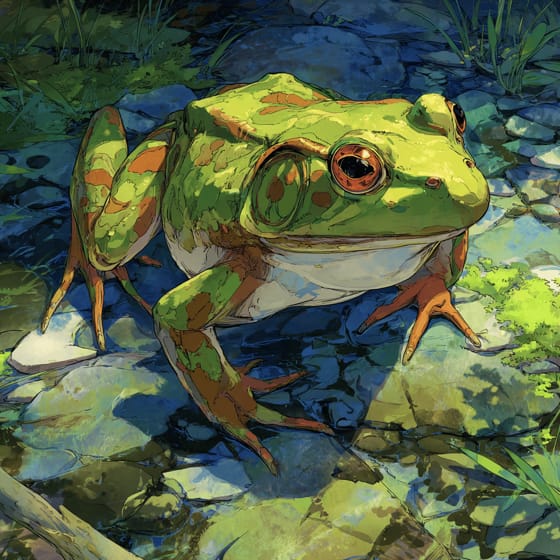
Lithobates catesbeianus
Often ambushed near water's edge.
Corbicula fluminea
Crushed by its powerful jaws.
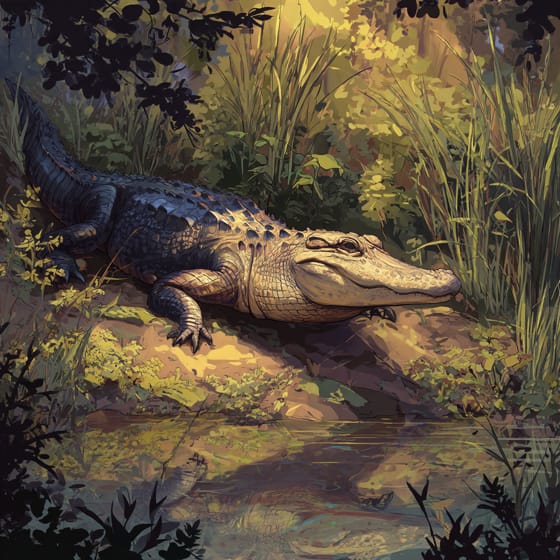
Alligator mississippiensis
Large alligators may prey on juvenile turtles.

Procyon lotor
Raccoons are known predators of turtle eggs.
Piscivorous organisms are animals that primarily subsist on a diet of fish.
An ambush predator hunts by patiently waiting and concealing itself, then launching a sudden attack when unsuspecting prey comes within range.
This trait signifies organisms belonging to a very old evolutionary group with ancestors dating back millions of years.
This trait characterizes organisms with an exceptionally long lifespan compared to others of their kind.

Armored describes animals protected by a hard, external covering or shell for defense.

Freshwater habitats include non-saline aquatic environments such as rivers, lakes, ponds, and wetlands, vital for numerous species.

Regenerative organisms possess the ability to regrow lost or damaged body parts, tissues, or organs.

Nocturnal animals are primarily active during the nighttime hours, typically resting or sleeping during the day.
Danger
5/5 · Extreme
Look but don’t touch. Keep a safe distance and wash hands after exploring.
The easiest way to identify Alligator Snapping Turtle is to use the Snappit nature identifier app.
35-80 cm
20-100 kg
30-70 years
2 km/h
An opportunistic hunter, eating fish, amphibians, and other small animals that come too close.
0.5 km/h
Rivers and lakes
Zoom in to split clusters and explore where this object has been snapped.

Illinois, US
You might spot Southern White Rhinoceros and Reticulated Giraffe.
View guide →

Illinois, US
You might spot Beluga Whale, Pacific White-Sided Dolphin, and Sea Otter.
View guide →

Kansas, US
You might spot Cotton-Top Tamarin, American Bison, and Cougar.
View guide →
Illinois, US
You might spot Beluga Whale, Pacific White-Sided Dolphin, and Sea Otter.
View guide →

Oklahoma, US
You might spot Bull Shark and Loggerhead Sea Turtle.
View guide →
Ohio, US
You might spot Gorilla, Tiger, and Snow Leopard.
View guide →
Take the discovery with you
Snap it with Snappit to identify it, learn what makes it special, and add the discovery to your collection.


















