





Spring Peeper
Pseudacris crucifer
The Spring Peeper is a tiny tree frog known for its sweet peeping sound! They love to stay in trees and near water.
Habitat: Wetlands and forests
The Spring Peeper is a tiny, slender frog, typically light tan to brown, with a distinctive dark X-shaped cross pattern on its back. It has smooth skin and small toe pads, often appearing lighter on its belly and darker near its eyes, making it unique.
Category
AmphibiansRarity
Common
Danger
2/5 · Low
Snaps
50
Each female Spring Peeper can lay hundreds of tiny eggs in a single season.
The 'X' on their back is named the 'crucifer' mark, from their scientific name.
Their high-pitched calls can be heard from over half a mile away!
They freeze solid in winter but thaw out and hop away in spring!
Spring Peeper has special sticky toe pads that help them climb easily on plants and branches.
Spring Peeper can change its skin color slightly to blend perfectly with its surroundings, helping it hide.
Spring Peeper can sing with incredible volume for its small size, helping them attract mates from far away.
These tiny frogs are bug-eating machines, helping control small insect populations!
Age differences: Tadpoles eat algae and detritus; adults are strictly insectivores.
Thamnophis sirtalis
A common snake predator in their habitat.
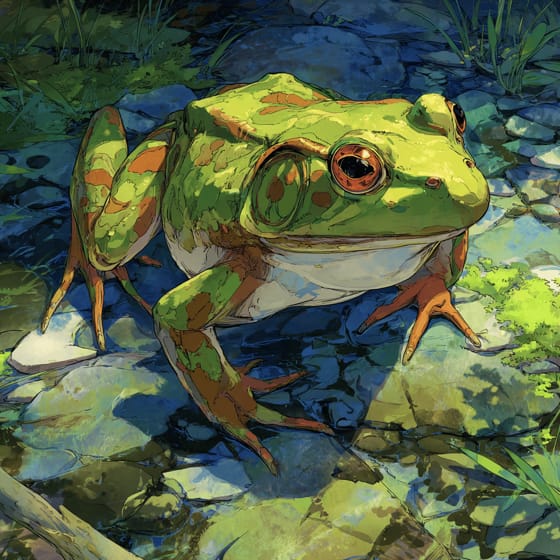
Lithobates catesbebeianus
Larger frogs often prey on smaller peepers.
Formica fusca
Their diet includes many small ant species.

Acer rubrum
They hide in leaf litter and on plants in forested wetlands.
Wildlife encompasses all undomesticated animal and plant life existing in their natural habitats.
Singing animals produce complex vocalizations, often for purposes of attracting mates, defending territory, or communicating within their species.
Arboreal animals live primarily in trees, utilizing them for shelter, food, and protection from predators.
This trait identifies organisms whose diet primarily consists of insects and other small invertebrates.

This habitat trait identifies species found in wetlands, which are areas of land saturated with water, either permanently or seasonally, including marshes, swamps, and bogs.

Nocturnal animals are primarily active during the nighttime hours, typically resting or sleeping during the day.
Danger
2/5 · Low
Look but don’t touch. Keep a safe distance and wash hands after exploring.
The easiest way to identify Spring Peeper is to use the Snappit nature identifier app.
1.5-3.8 cm
0.002-0.005 kg
3-4 years
These tiny frogs are bug-eating machines, helping control small insect populations!
Wetlands and forests
Ambush
800-1000
Zoom in to split clusters and explore where this object has been snapped.
May 27, 2026
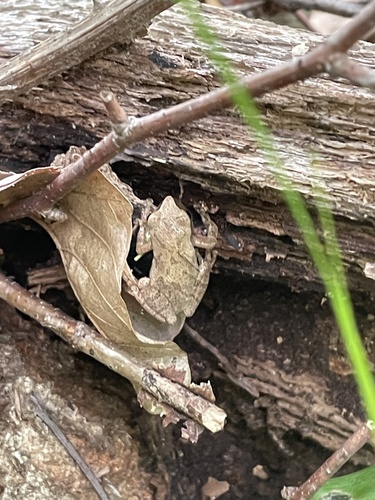
Hamburg Bridge Historic DistrictPhoto attribution
(c) Jim Arrigoni, some rights reserved (CC BY)
License: CC BY 4.0 ↗
Image may be shown cropped inside the card frame.
May 22, 2026
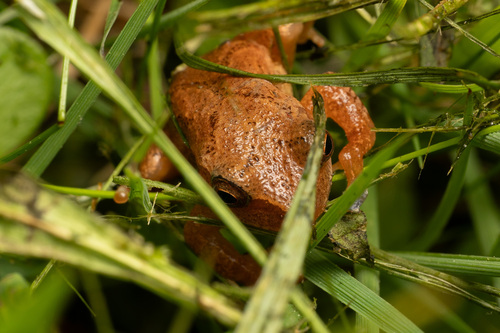
CheshamPhoto attribution
(c) Jack Forrester, some rights reserved (CC BY)
License: CC BY 4.0 ↗
Image may be shown cropped inside the card frame.
May 15, 2026
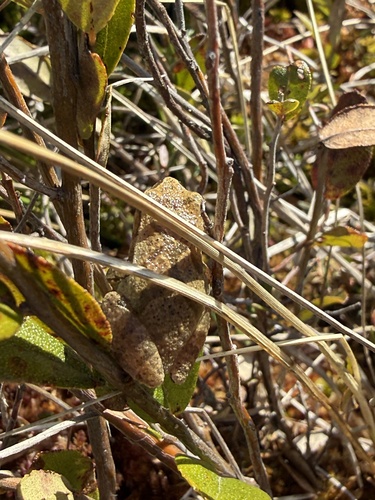
Black Tern Bog State Natural AreaPhoto attribution
(c) Brandon Corder, some rights reserved (CC BY)
License: CC BY 4.0 ↗
Image may be shown cropped inside the card frame.

Rhode Island, US
You might spot Common Mugwort, Duck, and Azure Bluet.
View guide →

Pennsylvania, US
You might spot Pinesap, Great Rhododendron, and Mountain Laurel.
View guide →

Wisconsin, US
You might spot Purple Pitcher Plant, Papillose Peatmoss, and Tamarack.
View guide →

Vermont, US
You might spot Asian Bittersweet, Alder Buckthorn, and Eastern Newt.
View guide →

Maine, US
You might spot American Bullfrog and Three-Toothed Cinquefoil.
View guide →

New Hampshire, US
You might spot Eastern Red-Backed Salamander and Eastern Newt.
View guide →
Take the discovery with you
Snap it with Snappit to identify it, learn what makes it special, and add the discovery to your collection.










.JPG&width=800)


.jpg&width=800)

