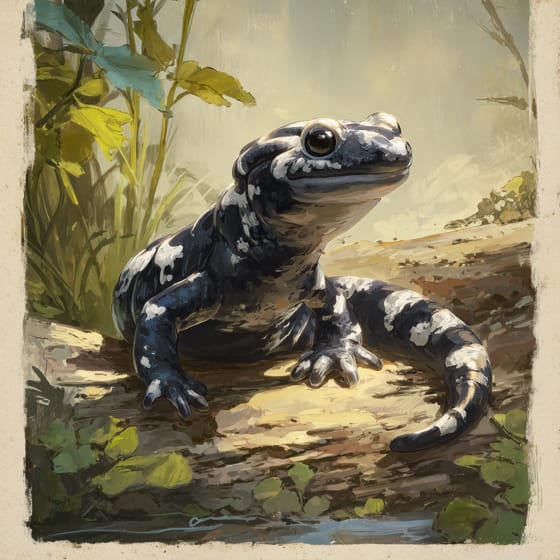





Marbled Salamander
Ambystoma opacum
The Marbled Salamander is a unique salamander with beautiful marbled patterns. They are shy and enjoy hiding under rocks!
Habitat: Wooded areas and wetlands
The Marbled Salamander has a stout body with striking black or dark gray skin. It is adorned with bold, silvery-white or light gray crossbands and blotches, making it stand out from uniformly colored salamanders. Males may have brighter patterns during breeding season.
Category
AmphibiansRarity
Common
Danger
2/5 · Low
Snaps
15
Baby Marbled Salamanders are fierce predators from the moment they hatch in the water!
They are one of the only salamanders in their family to breed in the cool fall season!
They spend most of their adult life hidden underground or under logs, away from view!
This salamander is a great mom, guarding her eggs until the pond fills with rain!
Marbled Salamander can lay eggs on dry land because of their special strategy that helps them hatch first when rains arrive.
Marbled Salamander can regrow lost tails and limbs because of their amazing regenerative cells that help them recover from injuries.
Marbled Salamander has special skin secretions that help them deter predators by tasting bad or mildly irritating.
These salamanders are insectivores, munching on small invertebrates they find on land or in water.
Age differences: Larvae eat aquatic invertebrates; adults eat terrestrial and aquatic prey.
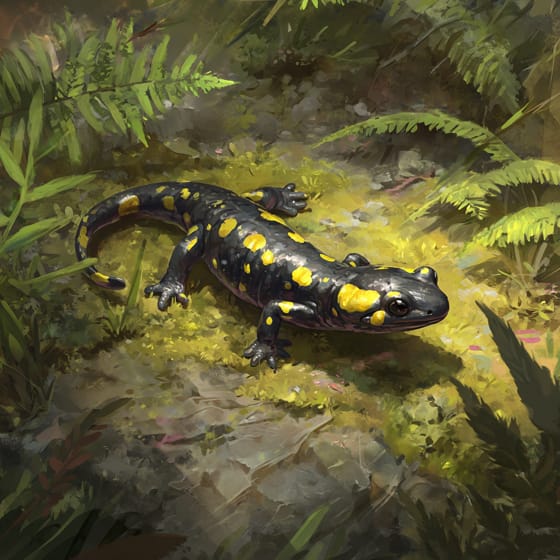
Ambystoma maculatum
Marbled larvae often eat smaller larvae of this species.
Thamnophis sirtalis
A common predator of adult and juvenile salamanders.
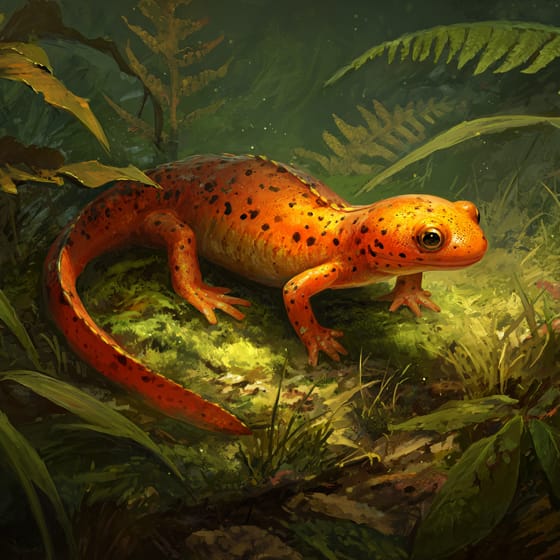
Notophthalmus viridescens
Marbled larvae often prey on the larvae of this newt.

Acer rubrum
Lives in forests with this tree, finding shelter under leaf litter.
Solitary animals live alone for most of their lives, only interacting with others for mating or parental care.
Camouflaged describes organisms that possess coloring or patterns that allow them to blend into their environment.
Colorful describes organisms or objects displaying a wide range of bright and distinct colors.
This trait identifies organisms whose diet primarily consists of insects and other small invertebrates.

This trait signifies organisms belonging to a very old evolutionary group with ancestors dating back millions of years.

Forest habitats are terrestrial environments dominated by dense tree cover, supporting a high diversity of plant and animal life.

This trait characterizes organisms with an exceptionally long lifespan compared to others of their kind.

This habitat trait identifies species found in wetlands, which are areas of land saturated with water, either permanently or seasonally, including marshes, swamps, and bogs.

Regenerative organisms possess the ability to regrow lost or damaged body parts, tissues, or organs.

Nocturnal animals are primarily active during the nighttime hours, typically resting or sleeping during the day.
No aliases listed yet.
Danger
2/5 · Low
Look but don’t touch. Keep a safe distance and wash hands after exploring.
The easiest way to identify Marbled Salamander is to use the Snappit nature identifier app.
10-13 cm
0.005-0.02 kg
5-10 years
0.1 km/h
These salamanders are insectivores, munching on small invertebrates they find on land or in water.
Wooded areas and wetlands
Ambush
Zoom in to split clusters and explore where this object has been snapped.
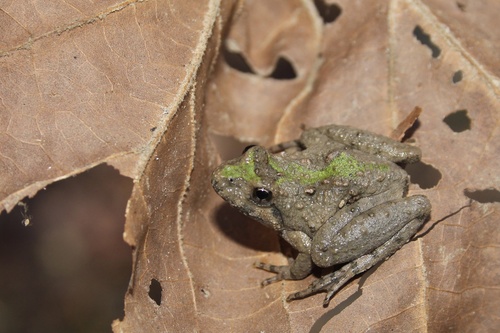
Maryland, US
You might spot Northern Cricket Frog and Common Whitetail.
View guide →
Virginia, US
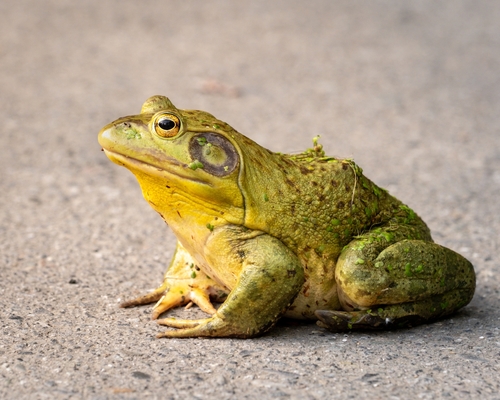
You might spot American Bullfrog, Snapping Turtle, and Great Blue Heron.
View guide →
Virginia, US
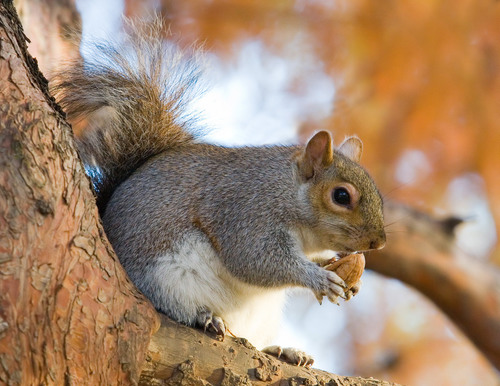
You might spot Eastern Gray Squirrel and Spotted Lanternfly.
View guide →

Tennessee, US
You might spot Eastern Bluebird and Red-Shouldered Hawk.
View guide →

New Jersey, US
You might spot African Lion, Snow Leopard, and Reticulated Giraffe.
View guide →

Virginia, US
You might spot White-Tailed Deer and Spotted Salamander.
View guide →
Take the discovery with you
Snap it with Snappit to identify it, learn what makes it special, and add the discovery to your collection.







.JPG&width=800)



.jpg&width=800)
