





Stiffleaf False Goldenaster
Heterotheca stenophylla
The Stiffleaf False Goldenaster is a bright yellow flower that loves to grow in sunny places. Its stiff leaves help it stay strong in tough conditions, making it a special plant in nature.
Habitat: Grasslands
The Stiffleaf False Goldenaster has many bright yellow, daisy-like flowers with slender petals. Its rigid, narrow, grayish-green leaves give it a bristly appearance. Unlike other similar asters, its notably stiff leaves make it visually distinct and help it stand tall.
Category
PlantsRarity
Common
Danger
1/5 · Very low
Snaps
3
It's called "false" because it looks like an aster, but botanically it's not!
Its scientific name, Heterotheca, means "different case" referring to its seeds.
Some Native American tribes traditionally used parts of this plant for remedies!
The tiny seeds have fuzzy parachutes, flying far on the wind like parachutists!
Stiffleaf False Goldenaster has stiff, narrow leaves that minimize water loss, allowing it to survive long dry spells.
Its deep taproot can reach water far underground, helping it thrive even in poor, sandy, or disturbed soils.
The plant's hairy stems and leaves can reflect sunlight, protecting it from intense heat and preventing sunburn.
Apis mellifera
provides nectar and pollen to.
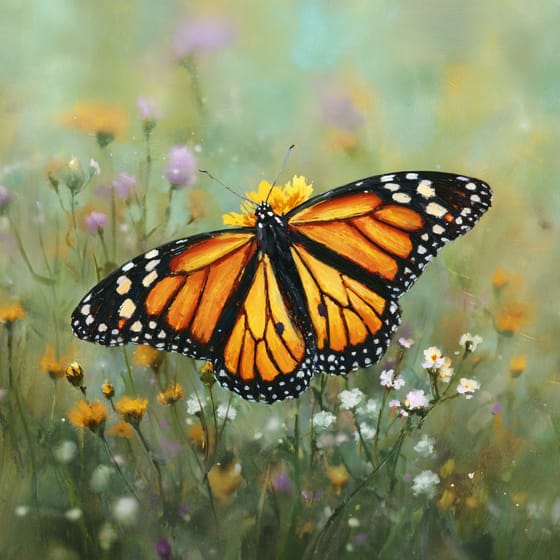
Danaus plexippus
visits flowers for nectar.

Chlosyne nycteis
larvae sometimes feed on leaves.

Peromyscus leucopus
may consume plant seeds.
Flowering plants are any plants that produce flowers as part of their reproductive cycle.
Summer blooming plants produce their flowers during the summer season, often providing vibrant color when many other plants have finished.
Evergreen plants retain their foliage throughout the year, never shedding all their leaves at once.
Drought-tolerant plants can survive and flourish in conditions with limited water availability.

Colorful describes organisms or objects displaying a wide range of bright and distinct colors.

Grassland habitats are terrestrial biomes dominated by grasses and herbaceous plants, supporting a variety of grazing animals.

Describes plants that are particularly attractive and beneficial to a wide range of pollinating organisms.
No aliases listed yet.
Danger
1/5 · Very low
Always look but don't touch plants unless you know they are safe.
The easiest way to identify Stiffleaf False Goldenaster is to use the Snappit nature identifier app.
20-60 cm
15-40 cm
1-2 cm
Late summer to fall
No
None
Perennial
Zoom in to split clusters and explore where this object has been snapped.
Take the discovery with you
Snap it with Snappit to identify it, learn what makes it special, and add the discovery to your collection.









.jpg&width=800)



_001.jpg&width=800)



