





Rowan Tree
Sorbus aucuparia L.
The Rowan Tree, also called the Mountain Ash, is a magical tree with clusters of bright orange berries. It is often found in fairy tales!
Habitat: Woodlands and hills
The Rowan Tree has elegant pinnate leaves, often turning vibrant red in autumn. It's easily identified by its smooth, grey bark and clusters of bright orange-red berries that persist well into winter, creating a striking visual contrast.
Category
TreesRarity
Common
Danger
1/5 · Very low
Snaps
Be the first to snap!
Ancient people used Rowan wood for magical divining rods and protecting homes.
Its tart berries are super rich in Vitamin C, even more than oranges, but need cooking!
Some varieties of Rowan have bright yellow, pink, or white berries, not just the famous red ones!
The Rowan tree is also known as "Mountain Ash," but it's not a true ash tree at all!
Rowan Tree produces nutrient-rich berries that feed birds through winter, helping disperse its seeds far and wide.
Rowan Tree can grow in harsh, rocky, or exposed mountain environments where many other trees struggle to survive.
Its strong, flexible wood helps it withstand winds, and bitter compounds protect berries from some pests.
Turdus merula
Birds eat berries for energy.
Apis mellifera
Bees gather nectar from its flowers.
Argyresthia conjugella
Larvae feed on developing berries inside.
Usnea articulata
Lichens grow on its bark, benefiting from shade.
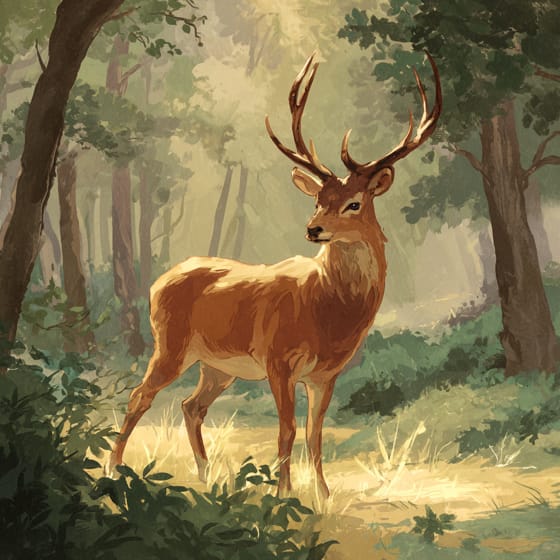
Cervus elaphus
Deer browse on young shoots and leaves.
Deciduous plants periodically shed all their leaves, typically during autumn or dry seasons.
Ornamental plants are cultivated primarily for their aesthetic appeal, enhancing landscapes and gardens with their attractive foliage, flowers, or form.
Cold hardy plants are able to withstand low temperatures and freezing conditions without significant damage.
Fruit-bearing plants produce fruits, which are the mature ovaries of flowering plants containing seeds.
A fruit tree is a perennial tree that produces fruit, which is edible to humans or animals.

Rapid growing plants exhibit accelerated growth rates, quickly increasing in size and biomass within a short period.

Forest habitats are terrestrial environments dominated by dense tree cover, supporting a high diversity of plant and animal life.
Danger
1/5 · Very low
Do not pick or eat anything you find. Some plants and mushrooms can be harmful.
The easiest way to identify Rowan Tree is to use the Snappit nature identifier app.
8-20 m
4-8 m
Yes
30-60 cm
80-120 years
Woodlands and hills
Berry-like pome
Zoom in to split clusters and explore where this object has been snapped.
Recent snaps will appear here as new observations are added.
Take the discovery with you
Snap it with Snappit to identify it, learn what makes it special, and add the discovery to your collection.









