Yellow Patches
amanita flavoconia
The Yellow Patches mushroom is bright yellow with unique patches on its cap! It's a fun and colorful fungus that can be found in the woods.
Habitat: Yellow Patches thrive in forested areas, often found on the ground among leaf litter.
The Yellow Patches mushroom has a bright yellow to orange-yellow cap, often adorned with flaky yellow patches or warts. Its stem is pale yellow and smooth, making it visually distinct from many plain-capped fungi on the forest floor.
Category
FungiRarity
Common
Danger
2/5 · Low
Snaps
1
The bright yellow 'patches' on its cap are actually tiny bits of its 'baby blanket' from when it was growing!
This mushroom's scientific name, 'Amanita', is famous for many beautiful, yet often dangerous, fungi!
Underground, these fungi grow a vast network of tiny threads, much bigger than the mushroom you see!
Yellow Patches shares a special underground handshake with tree roots, trading goodies for growth!
Yellow Patches can help trees absorb vital nutrients because of its hidden root-like network that connects directly to them.
Yellow Patches has vibrant yellow colors that help them warn animals that they might be poisonous to eat.
Yellow Patches can release millions of tiny spores that help them float away and grow new mushrooms elsewhere.
Quercus rubra
Forms mycorrhizal partnership.
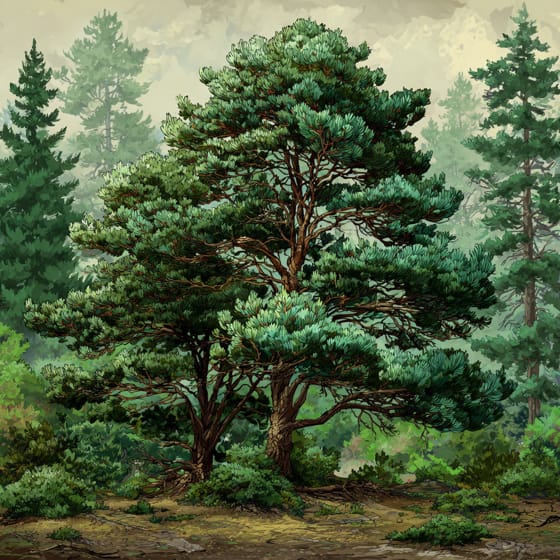
Pinus strobus
Exchanges nutrients with roots.
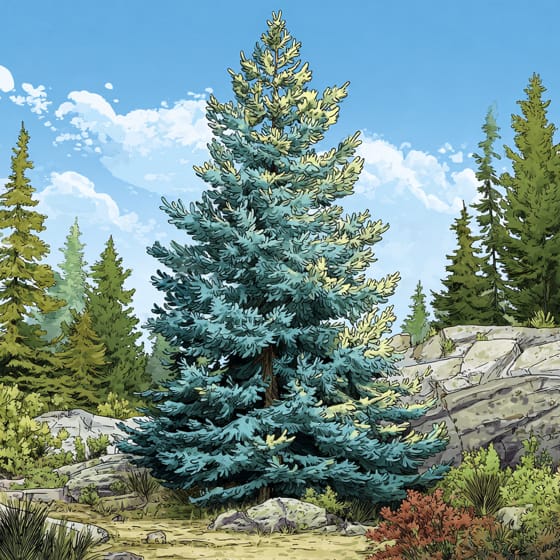
Picea glauca
Helps tree absorb water.
Colorful describes organisms or objects displaying a wide range of bright and distinct colors.
Describes organisms that break down dead organic material, recycling nutrients back into the ecosystem.
Forest habitats are terrestrial environments dominated by dense tree cover, supporting a high diversity of plant and animal life.
Danger
2/5 · Low
Do not touch or eat wild mushrooms without an adult's permission.
The easiest way to identify Yellow Patches is to use the Snappit nature identifier app.
5-12 cm
poisonous
3-12 cm
Yellow Patches thrive in forested areas, often found on the ground among leaf litter.
soil
Summer to fall
White
Zoom in to split clusters and explore where this object has been snapped.
Take the discovery with you
Snap it with Snappit to identify it, learn what makes it special, and add the discovery to your collection.