
Chimpanzee
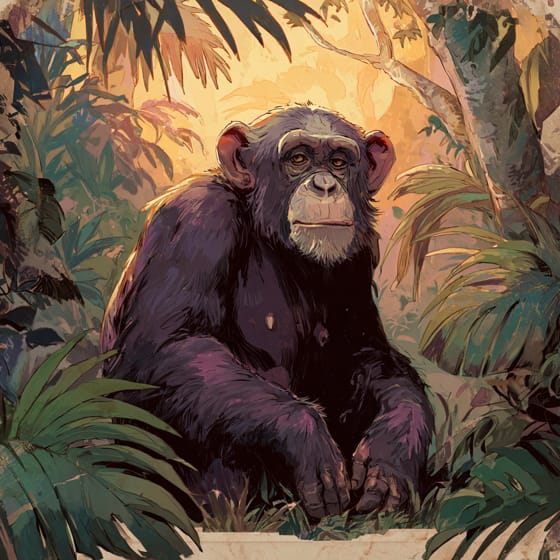
Nestled on 200 beautiful, forested acres near Shreveport, Louisiana, Chimp Haven is a unique sanctuary dedicated to providing a lifelong haven for chimpanzees, primarily those retired from biomedical research.
Nestled on 200 beautiful, forested acres near Shreveport, Louisiana, Chimp Haven is a unique sanctuary dedicated to providing a lifelong haven for chimpanzees, primarily those retired from biomedical research. It's a place where these intelligent primates, our closest living relatives, get to live what staff lovingly call the "Chimp Life" – a second chance at a life filled with dignity, choice, and natural behaviors. Visitors to Chimp Haven experience a deeply moving and educational journey, observing chimpanzee families thriving in expansive, naturalistic habitats where they can climb trees, forage, and engage in complex social interactions.Unlike a traditional zoo, Chimp Haven's focus is entirely on the welfare of its residents, allowing them the freedom to choose how they spend their days. During special public events, guests can witness these remarkable animals exhibiting species-typical behaviors, from playful antics in their multi-acre forested enclosures to intimate grooming sessions. Expert staff and caregivers are often on hand to share insights into the chimps' individual personalities, stories, and the innovative care they receive, fostering a profound connection between visitors and residents.A visit to Chimp Haven is more than just sightseeing; it's an opportunity to understand the critical mission of animal sanctuaries and to see firsthand the joyous retirement of creatures who have contributed immensely to science. From the curious Amber to the calm Inky, and the playful social groups exploring their spacious environments, every moment offers a glimpse into a world where chimpanzees finally get to live like chimps. It's a truly inspiring experience that highlights the importance of compassionate care and conservation. Take the ultimate field guide with you: use the Snappit app to identify birds, plants, and animals on your trip.
Chimp Haven was founded in 1995 by Amy Fultz and Linda Brant with the visionary goal of providing long-term care for chimpanzees previously used in biomedical research. The need for such a sanctuary became increasingly urgent, leading to a significant milestone in 2000. That year, the Chimpanzee Health Improvement Maintenance and Protection (CHIMP) Act was passed by Congress, establishing a federal sanctuary system to ensure lifetime care for these retired chimpanzees.Chimp Haven was subsequently awarded the federal contract to serve as the national chimpanzee sanctuary, with federal funds covering a portion of the care costs. In 2005, the sanctuary welcomed its first two residents, Rita and Teresa, marking the beginning of countless "happy endings" for chimpanzees. The movement gained further momentum in 2015 when the National Institutes of Health officially ceased all biomedical research using chimpanzees, paving the way for hundreds more to retire to Chimp Haven. To accommodate its growing family, the sanctuary undertook a significant "Welcome Them Home" expansion, creating new natural habitats and facilities to ensure every eligible chimpanzee could find their peaceful retirement home.
Visitors can watch chimpanzees play, socialize, and explore their environments. Engage with staff at interactive stations to learn about their daily lives, veterinary care, and enrichment activities, including simulated termite mounds for foraging. Specialized events like "Brunch in the Wild" may offer opportunities to observe unique activities like a chimpanzee painting session.
Events are generally held outdoors and occur rain or shine, so checking the weather and dressing appropriately is advised. Comfortable shoes are recommended due to gravel and uneven paths.
Chimp Haven is committed to accessibility; however, given the rural outdoor setting, walkways are gravel and can be uneven or muddy, potentially posing challenges for those with limited mobility. Hayride tours are not wheelchair accessible, but visitors with specific accessibility needs are encouraged to contact the sanctuary's events team in advance to discuss alternative options. Certified service animals are permitted.
The primary highlight is observing the chimpanzee families in their spacious, multi-acre forested habitats, such as the Butler Habitat, Petrie Habitat, and Doreen's Den, where they exhibit natural behaviors.
Educational chats with expert caregivers provide insights into chimp personalities and care.
Optional hayride tours offer a unique, guided perspective into areas not typically accessible to the public.
Each card links to a full Explore page with photos, traits, and fun facts.
Start with the big picture, then zoom in to explore individual wildlife observations around this place.
Book in Advance
Public events like Chimpanzee Discovery Days often sell out, so purchase your tickets online well ahead of time.
Arrive Early
The chimpanzees are typically most active in the morning during habitat releases (around 9-10 AM), so arriving when events begin offers the best viewing opportunities.
Dress Comfortably
Wear comfortable, closed-toe shoes suitable for walking on gravel and uneven paths, and dress for outdoor weather conditions, as most events are held outdoors rain or shine.
Bring Essentials
Carry a water bottle, hat, and sunscreen, especially during warmer months, as shaded areas may be limited.
Consider the Hayride
For a more in-depth and guided experience, consider purchasing a separate ticket for the hayride tour, which takes you through parts of the sanctuary not usually accessible on foot.
Be Patient
While many chimps are curious about visitors, some may prefer to remain in their indoor bedrooms. The chimps always have the choice of where to spend their time, so patience can reward you with memorable sightings.
Recent snaps will appear here as new observations are added.

Michigan, US
You might spot African Lion, Komodo Dragon, and Brown Bear.
View guide →
.jpg)
Municipal District of Cobh, IE
You might spot Ring-Tailed Lemur, Giraffes, and Cheetahs.
View guide →

Nouvelle-Aquitaine, FR
You might spot Greater Flamingo, Giraffes, and Red Panda.
View guide →

Texas, US
You might spot Giraffes, African Lion, and Eastern Black Rhinoceros.
View guide →