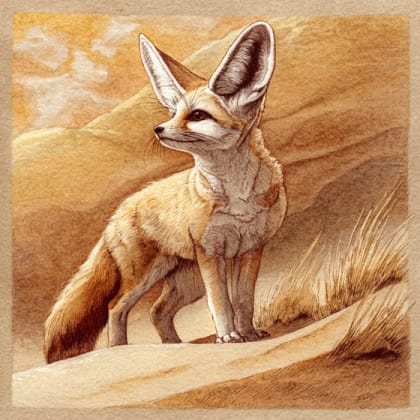





Fennec Fox

The Endangered Wolf Center is a vital conservation hub in Missouri, dedicated to safeguarding and reintroducing critically endangered canid species to the wild.
The Endangered Wolf Center is a vital conservation hub in Missouri, dedicated to safeguarding and reintroducing critically endangered canid species to the wild. Nestled on 63 isolated wooded acres near St. Louis, this non-profit wildlife facility offers a unique and intimate opportunity to connect with some of the world's most magnificent and often misunderstood animals. Visitors embark on guided walking tours through natural habitats, providing a rare glimpse into the lives of Mexican gray wolves, red wolves, maned wolves, African painted dogs, and various fox species. The experience is both educational and inspiring, emphasizing the critical role these apex predators play in healthy ecosystems and the ongoing efforts to ensure their survival.A visit here is more than just seeing animals; it's an immersive journey into the world of conservation. Knowledgeable guides share captivating stories and insights, detailing the breeding and reintroduction programs that have seen wolves born at the center thrive in their native habitats once more. You'll learn about the unique characteristics of each species, from the striking long legs of the Maned Wolf to the distinctive coats of African Painted Dogs, and the crucial work involved in their recovery. It’s an unforgettable experience for anyone passionate about wildlife and conservation.The center's dedication to research and education makes every visit impactful. Beyond the captivating animal encounters, guests gain a profound understanding of ecological balance and the importance of human stewardship. Observing these rare canids, like the elusive Mexican Gray Wolf or the critically endangered American Red Wolf, offers a powerful perspective on the fragility and resilience of nature. Wondering what that bird or insect is? Find out on your visit using the Snappit nature app.
The Endangered Wolf Center was founded in 1971 by acclaimed naturalist Marlin Perkins, host of the popular television series "Mutual of Omaha's Wild Kingdom," and his wife Carol. They recognized the dire threat of extinction facing wolves worldwide and established the center with a mission to preserve and protect Mexican wolves, red wolves, and other wild canid species through careful breeding, reintroduction programs, and educational outreach. Over its more than 50-year legacy, the center has become a cornerstone of wolf conservation in America. It was the first wolf facility globally to be certified by the Association of Zoos and Aquariums (AZA) and has played a pivotal role in the Species Survival Plans for Mexican and red wolves. Notably, every Mexican wolf currently in the wild can trace its lineage back to the efforts of the Endangered Wolf Center.
Participate in guided walking tours to observe Mexican Gray Wolves, American Red Wolves, Maned Wolves, African Painted Dogs, and several fox species like Fennec, Swift, and Arctic Foxes. Engage with educational presentations about wolf biology and conservation. Attend an Evening Wolf Howl to hear the captivating sounds of the wild. Explore specialized programs like "Foxy Fun Encounters" to meet ambassador foxes or "Keeper for a Day" for an immersive experience with animal care.
Tours may be canceled in severe weather, so checking the forecast is advisable. Animal activity tends to be higher in cooler temperatures. The center also hosts seasonal events like "Open House" in October and "Howliday Howls".
The center is partially wheelchair accessible. The walking tour covers approximately one mile on gravel paths, which may present challenges for strollers. Comfortable walking shoes are highly recommended. Only trained service animals as defined by the ADA are permitted; pets are not allowed.
Endangered Species Tour
Evening Wolf Howls
VIP Tour
Photography Tours
Each card links to a full Explore page with photos, traits, and fun facts.
Start with the big picture, then zoom in to explore individual wildlife observations around this place.
Book in advance
All tours require reservations, so secure your spot online or by phone well before your visit.
Visit in the morning
Animals tend to be most active in the mornings, increasing your chances of observing them.
Wear comfortable shoes
The tours involve about a mile of walking on gravel paths, so suitable footwear is essential.
Dress for the weather
As tours are outdoors, check the forecast and dress appropriately, including layers for cooler days.
Consider a specialized tour
For deeper engagement or photography opportunities, explore VIP or Photography Tours.
Leave pets at home
Only trained service animals, as defined by the ADA, are allowed on the premises.
Recent snaps will appear here as new observations are added.

Michigan, US
You might spot African Lion, Komodo Dragon, and Brown Bear.
View guide →
.jpg)
Municipal District of Cobh, IE
You might spot Ring-Tailed Lemur, Giraffes, and Cheetahs.
View guide →

Nouvelle-Aquitaine, FR
You might spot Greater Flamingo, Giraffes, and Red Panda.
View guide →

Texas, US
You might spot Giraffes, African Lion, and Eastern Black Rhinoceros.
View guide →