A short animal-and-play visit
Choose a domestic-animal stop, a bird and one mammal that interests your children, then make time to play. Follow the signs between your choices and keep the final stop optional if attention or energy fades.
 Illustration
Tierpark Krüzen is a good place to get children looking closely at animals, from a wallaby’s resting pose to the remarkable horns of a Jacob sheep.
Tierpark Krüzen is a good place to get children looking closely at animals, from a wallaby’s resting pose to the remarkable horns of a Jacob sheep. This roughly six-hectare park near Lauenburg brings captive wild animals together with domestic breeds that deserve a second look. Leave room for the play equipment and a ride on the park train, rather than treating the visit as a race around the enclosures.
Start by choosing one of the park’s downloadable animal rallies. There is a multiple-choice version for ages six and up, and a longer question sheet for ages eight and up. Both give children specific things to investigate. What shape is a horse’s mane? How does a wallaby support itself when sitting? You can use a handful of questions as conversation starters without filling in every answer.
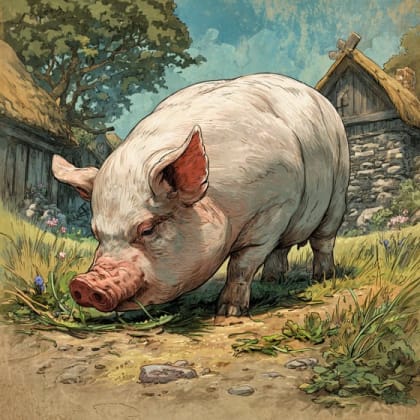
The domestic animals are a particularly rewarding part of Krüzen. Look for the white belt of a red-and-white Husum pig and the folded face of a Chinese mask pig, also called a Meishan. These are different breeds of domestic pig. Jacob sheep bring another surprise: some have more than two horns. Compare the animals you actually see with their signs, and let children explain which detail helped them recognise each one.
The park is at Ziegelei 9, 21483 Krüzen. For a car-free visit, enter that full address in the hvv journey planner and check the final walk as well as the outward and return connections. If the walk is unclear or you need an accessible arrival, ask the park for advice before setting off. Unlock an interactive field guide for this spot: get the Snappit app to identify nature on the go.
The park opened in 1992. Its collection combines wild animals with older domestic breeds, and the owner describes breeding rare wild animals and threatened domestic breeds as a central purpose. The pigs and sheep make that aim tangible: a farm-animal enclosure can hold as much to discover as an unfamiliar bird or monkey.
Give each child an animal to watch for a few quiet minutes. The emus, black swans and green-winged macaws make an enjoyable bird comparison: look at their feet, beaks and how they move. Around the mammal enclosures, try watching before reading the sign, then see which guesses were right. Keep cameras outside the barriers and allow resting animals to stay undisturbed.
Break up the animal stops with playtime. Ask at the entrance when the park train is running; leave its timing flexible rather than making it the centre of the day. In any permitted contact area, follow the staff’s instructions and let animals move away. Only offer the park’s animal feed where expressly allowed, and wash hands before eating. For a longer visit, return to one favourite enclosure and see whether anything has changed.
The annual winter break runs from 15 December to 31 January. The snack bar has a longer winter closure, from 1 November through the last day of February, so plan food and drinks separately for a cold-season visit. During March–October it opens daily until 18:00, with hot food until 17:00. In wet weather, the shelters can provide a pause; waterproof shoes and a shorter animal walk are a better plan than expecting an indoor day out.
The community-maintained Wheelmap entry rates wheelchair access as partial. Contact the park on +49 4153 3334 before travel to discuss your needs, including entrance thresholds, path surfaces after rain and access to toilets. Ask which enclosures you can reach without steps and whether the park train can accommodate you. These questions are also useful if you rely on a pushchair. Arrange the visit around the areas that work for your family.
Compare Jacob sheep, Husum pigs and Chinese mask pigs.
Two downloadable versions help children notice details.
Take time with emus, black swans and green-winged macaws.
Mix the animal walk with play equipment and the park train.
Choose a domestic-animal stop, a bird and one mammal that interests your children, then make time to play. Follow the signs between your choices and keep the final stop optional if attention or energy fades.
Bring a rally, ask about the train on arrival and leave space for a food break. After the first look around, let everyone choose an animal to revisit. There is no need for each person to pick a different one.
Divide a page into “horns”, “feet” and “feathers”. Each person chooses one detail to sketch at a different animal stop. Compare your drawings during a seated break and use the signs to add names.
Hand over the six-plus rally and let a child choose which question the adults answer first. For the longer version, agree on a small set together and keep the answer sheet until after everyone has looked.
Take a short look at the animals you most want to see, then reassess. A shelter may help with a passing shower; if everyone is wet or cold, save the rest of the rally for a drier visit.
Look at the upright mane from the public path, then compare its outline with a horse you already know. These are wild horses kept in the park.
Pause quietly and see whether you hear anything as well as seeing the deer. The children’s rally asks about their voices, but a silent animal is still worth watching.
Check the colour of the bill against the dark plumage. Let children draw the bird’s outline rather than approaching the water’s edge or trying to attract it with food.
If the feet are clearly visible, count the toes from your side of the barrier. Then watch a few steps and compare the movement with one of the park’s other birds.
Watch how the tail rests on the ground when a wallaby sits. Give it time to move naturally; the interesting moment may be a change of posture rather than a leap.
Find the sign for the Lachender Hans and look for the bird before listening for its call. There is no need to imitate it or play a recording.
Watch the visible animals together and notice whether they sit close, move apart or follow one another. Keep your own movements gentle and let the group set the pace.
Use the sign’s name to find the right parrot, then sketch the patches of colour you can see. A folded wing may hide some details, so leave room for a second look.
Compare ears, horns and coats among the goats you can see. In a contact area, wait for an animal to approach and follow the staff’s guidance rather than chasing it.
Look for a pale belt on the Husum pig and facial folds on the Chinese mask pig. They are domestic breeds of the same animal, a useful example of how varied a farmyard can be.
Jacob sheep are domestic sheep within the wider Ovis group. Count the horns on the individual in view rather than assuming every Jacob sheep looks alike.
Take a quiet look at the face and body outline, then make a quick sketch. Add the animal’s name from the sign so your picture stays connected to what you actually saw.
These suggestions concern captive residents, including domestic breeds. The park’s animal rallies can help you choose what to look for, but current enclosure signs and staff advice take priority if an animal has moved or is out of view.
Seating groups and shelters offer places to pause. Contact the park in advance for a barbecue place or birthday arrangements, and check the snack-bar season before relying on it for lunch.
Each card links to a full Explore page with photos, traits, and fun facts.
Start with the big picture, then zoom in to explore individual wildlife observations around this place.
Bring cash
Card payments are not accepted in the park.
Print before leaving
Bring a pencil and the rally that suits your children; the eight-plus version also has a separate answer sheet.
Choose a few favourites
A quiet second look at one enclosure can be more rewarding than hurrying to finish every question.
Check animal signs
Residents and access to individual enclosures can change. Skip a rally question if its animal is not available.
Keep snacks separate
Put human food away around the animals and follow staff guidance in contact areas.
Plan the whole journey
Check the return connection and the walk from your stop before committing to a public-transport outing.
Recent snaps will appear here as new observations are added.

North Carolina, US
You might spot American Robin and Eastern Gray Squirrel.
View guide →

Florida, US
You might spot Anhinga, American Alligator, and Wood Duck.
View guide →

New Mexico, US
You might spot Wood Duck, Duck, and Canada Goose.
View guide →

Michigan, US
You might spot African Lion, Komodo Dragon, and Brown Bear.
View guide →
Take the discovery with you
Identify the wildlife you spot, learn as you go, and keep a collection of the adventure.