Snappit logo
Snappit
Get App
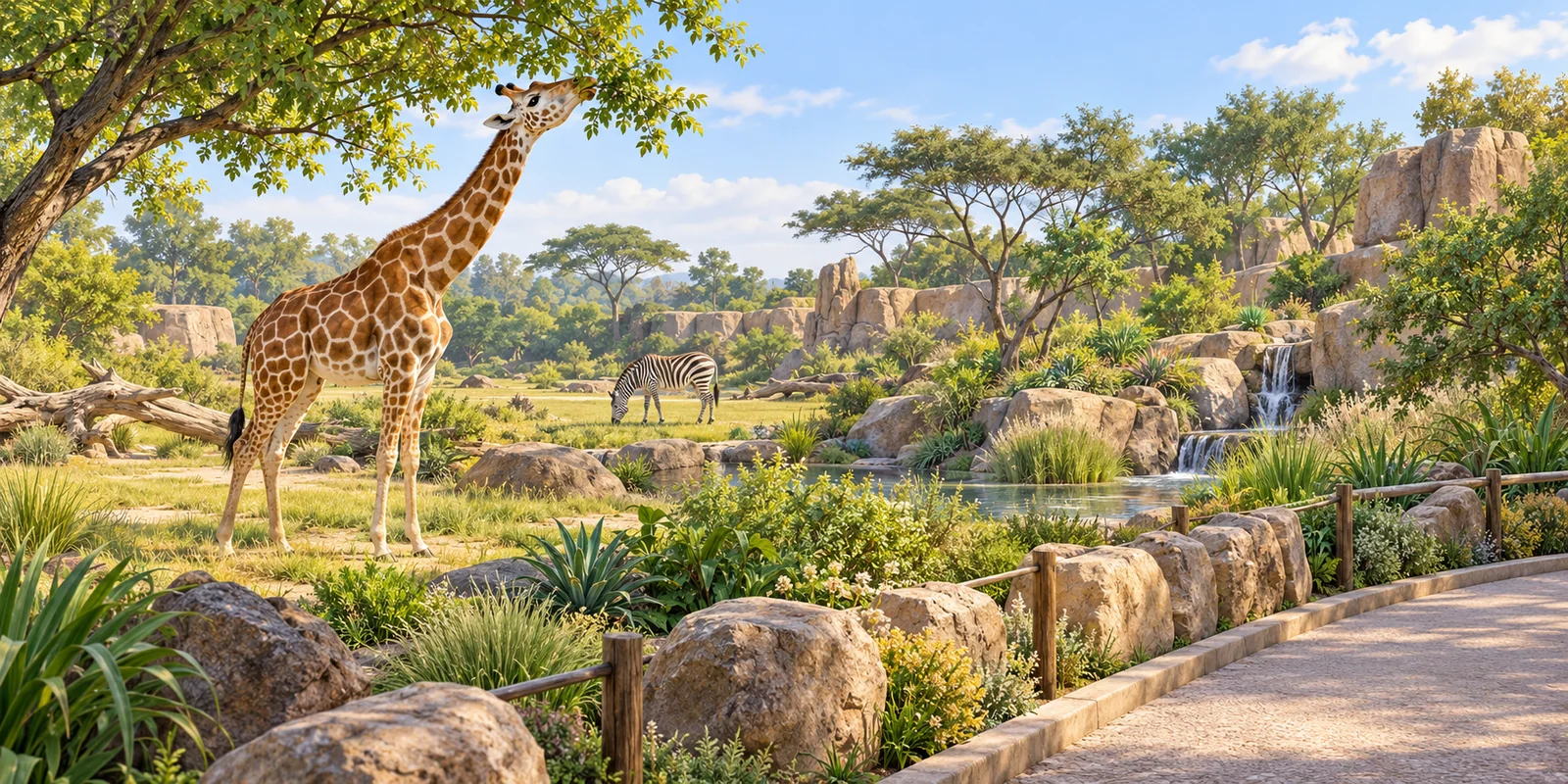
Generic illustration, not a photograph of this venueIllustration
ZooBrandenburg, Germany

Tier-, Freizeit- und Saurierpark Germendorf

Come to Germendorf for a family outing that moves from animal watching to prehistoric discoveries, with room for a proper play break.

About

Come to Germendorf for a family outing that moves from animal watching to prehistoric discoveries, with room for a proper play break. West of Oranienburg, the park spreads around the Waldseen, with animal enclosures, wooded stretches, sandy shores and a separate dinosaur area. At the entrance, choose a few living animals to seek out before following the signs into the Saurierpark. That gives the day a simple shape without making every stop a race.

Pumas, emus, guanacos and small primates are among the living residents. The dinosaurs and other prehistoric creatures are models, displayed in the Paläontologischer Schaugarten. Keep both experiences on your list: one rewards quiet observation of animals in human care, while the other lets children stand beside enormous reconstructions and explore unfamiliar names. Unlock an interactive field guide for this spot: get the Snappit app to identify nature on the go.

The Waldseen began as an excavation site supplying material for the Berlin–Rostock motorway. Horst Eichholz developed the area into a visitor park, with preparations beginning in 1992 and the first petting-zoo visitors arriving in 2000. The zoo licence followed in 2002. From 2009, reclamation work added the palaeontological display garden. The combination of lakes, living animals and prehistoric models reflects those successive stages of development.

What to do here

Begin with the animal areas and save time for looking twice. At the walk-through enclosure, let the sika deer choose their distance. Stay calm, leave them a way to retreat and never grab an animal or its antlers. Around the other enclosures, pause for the pumas and meerkats, then look for the less familiar bush dogs. Their short legs and rounded ears give them an unusual outline; these South American canids are strong swimmers with webbing between their toes.

The primates make another rewarding stop. Black-tufted marmosets have dark ear tufts and use their teeth to open bark for tree sap. Mantled guerezas are leaf-eating monkeys with long white hair along their sides. Give children one detail to find at each enclosure rather than a long checklist. At the guanacos, talk about their relationship to domestic llamas; at the emus, the surprise is that the male incubates the eggs and raises the chicks. Animals may be indoors or out of sight, so return later if a favourite is resting.

In the dinosaur area, pick three very different models: long-necked Brachiosaurus, plated Stegosaurus and horned Triceratops. Compare necks, tails and body shapes, then read the labels together. The display extends beyond dinosaurs to creatures such as mammoths, giant sloths and sabre-toothed cats. Ask children which belong together and which lived at different times. Use the signed visitor paths; the figures are exhibits rather than climbing equipment.

Round things off with the climbing castle, dinosaur slide or marble run. The heated indoor play hall gives you a useful break in cold or showery weather. Rides such as the bumper cars, carousel and fairy-tale railway cost extra and often operate only at weekends, during school holidays and on public holidays, weather permitting. Agree on a ride budget before the first queue.

Seasonal info

The animal and dinosaur park operates through the year, but rides and food outlets have their own seasonal schedules. In winter, plan around outdoor walks and the heated play hall. Check special Christmas and New Year hours; Christmas Eve is listed as closed.

Treat bathing as an optional summer extra. A park notice dated 15 July 2026 warns that the bathing lake is at risk of drying out. Ask about current water levels and bathing access before bringing swimwear, and respect any closures. The beaches have no lifeguards. Closely supervise children beside the lakes even when nobody is swimming.

Accessibility

Step-free routes are possible, and the main paths are largely paved or asphalted. Immediately beyond the ticket entrance, however, a steep section extends for roughly 50 metres; wheelchair users may need assistance. There are designated disabled parking spaces and accessible toilets. Before travelling, confirm a suitable route, current toilet access and any help needed at the entrance with the park on +49 3301 3363. Beach areas have no special aids for entering the water. A pushchair can be useful for a longer visit, but allow for the entrance slope.

Don't miss

1

Living animals

Seek out bush dogs, pumas, emus and leaf-eating guerezas.

2

Deer at their own pace

Watch sika deer quietly in the walk-through enclosure.

3

Prehistoric variety

Compare dinosaur models with mammoths and other extinct mammals.

4

Play between discoveries

Add the marble run, dinosaur slide or heated play hall.

Walks and routes

Animals first, dinosaurs after a break

Choose four or five animal stops from the entrance map, including one unfamiliar species. Take a food or play break, then explore a selection of prehistoric models. Allow about 3–4 hours and skip optional rides if time is short.

A longer day with play and a picnic

Allow about 5–6 hours. Alternate animal stops with the playground, have a picnic, and visit the dinosaur area while everyone still has energy. Add rides only when running and within your budget. Plan a satisfying day without depending on swimming.

Wildlife and habitats

Allow the sika deer to choose how close they come. Photograph from the visitor path without following them, and leave an open route for them to move away.

Choose a quiet viewing place and give the pumas time. Look across the whole enclosure before moving on, and return later if they are resting out of sight.

Look at the emu’s long legs and feathered outline from outside the enclosure. The male handles incubation and chick care. If young birds are visible, notice which adult stays with them.

Watch low to the ground for the short-legged bush dogs. Notice their compact build and small ears; their webbed toes are an adaptation for swimming, though they may be difficult to see.

Look for the dark ear tufts and watch how the marmosets grip branches. They use specialised front teeth to reach tree sap, a useful connection between their anatomy and food.

Find the long white hair that gives this monkey its mantle-like appearance. Watch quietly for leaf eating, and use the current enclosure signs to distinguish guerezas from the other primates.

Compare the guanaco with the domestic llamas elsewhere in the park. The guanaco is the wild ancestor of the llama, although the individuals you see here are zoo animals in human care.

Pause at the viewing edge rather than calling the meerkats closer. A short, still watch gives children time to describe what each visible animal is doing, without needing every animal on view.

Sources and useful links

Wildlife you might spot

8

Each card links to a full Explore page with photos, traits, and fun facts.

Snap map for this place

Start with the big picture, then zoom in to explore individual wildlife observations around this place.

Loading map…

Good to know before you go

Arrival

Use An den Waldseen 1a, 16515 Oranienburg, OT Germendorf. Visitor parking is available; check the current parking charge before travelling.

Public transport

Seasonal bus 823 links Oranienburg station with Germendorf, Tierpark. The advertised 2026 season is 28 March–1 November. Bus 824 serves Germendorf, Dorfstr.; it requires an onward walk. Check OVG’s current timetable and the return connection.

Tickets

The main ticket covers the animal and prehistoric areas and some play facilities. Online tickets and gate tickets have the same price; online tickets use a separate fast entrance. Budget separately for rides and other paid extras.

Food break

Bring a picnic or check the snack-bar opening times. The Saurierpark and playground have food outlets, but bad weather can interrupt service. Barbecues and shisha are prohibited.

With a dog

Dogs need their own ticket. Keep yours on a short lead around the park and animals; a separate dog beach is provided.

Small practicalities

Bring coins for paid toilets and rides. Handcarts can be hired at the entrance and must be returned by closing.

Animal manners

Keep your food for yourselves. Follow enclosure signs and keeper instructions, stay in visitor areas and wash hands before eating after any permitted animal contact.

Frequently asked questions

No. The main admission ticket covers the animal, leisure and prehistoric areas. Individual rides and some activities are charged separately, so a park ticket does not mean unlimited rides.
One-hour animal tours are offered Monday–Friday with at least 14 days’ advance booking. Children must be at least five, and groups are limited to 20 people. Contact [email protected] to agree a date and confirm the tour charge plus admission.
For showers, combine a shorter outdoor visit with the heated play hall. The dinosaur displays and walks between animal areas remain outdoors, so bring waterproofs. For persistent heavy rain, a shorter visit will be more comfortable than trying to cover the entire park.
Only after checking bathing access with the park. Low water has been a concern, and the beaches are unguarded. Animals, dinosaur models and play areas provide a full visit without entering the water.

Recent snaps at this place

Recent snaps will appear here as new observations are added.

View all ›

Take the discovery with you

Exploring Tier-, Freizeit- und Saurierpark Germendorf?

Identify the wildlife you spot, learn as you go, and keep a collection of the adventure.

  1. 1Spot it
  2. 2Snap it
  3. 3Keep the discovery