




Anemone
Anemone
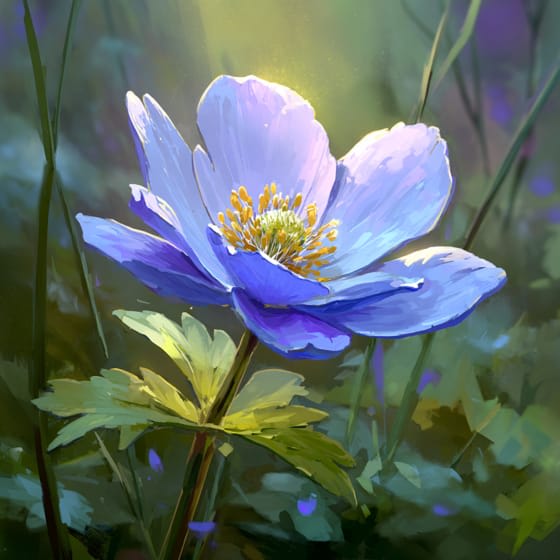
Anemones are delicate flowers that sway in the breeze. They can be found in gardens and meadows, adding beauty everywhere!
Habitat: Anemones like to grow in gardens and meadows.
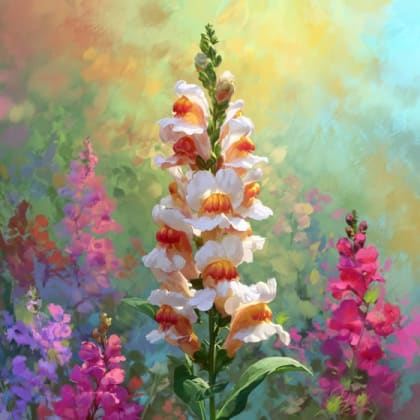
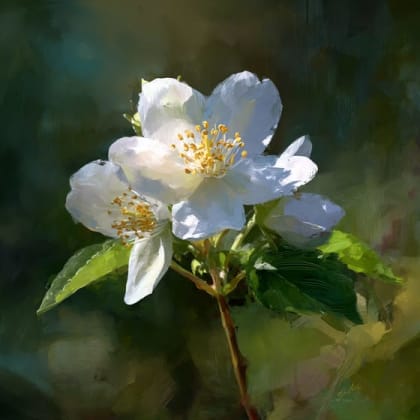
The Anemone has delicate, cup-shaped flowers often sporting five to eight petal-like sepals in vibrant shades of white, pink, purple, red, or blue. A distinct central cluster of stamens often provides a contrasting color. Its slender stems support finely divided, green foliage.
Category
PlantsRarity
Common
Danger
1/5 · Very low
Snaps
Be the first to snap!
Many Anemone flowers can close their petals at night or on cloudy days to protect their pollen.
Some Anemone flowers are popular in bouquets and can last a long time in a vase!
The name 'Anemone' comes from a Greek word meaning 'daughter of the wind'!
There are over 200 different species of Anemone, found all across the world!
Anemone has delicate, thin petals that gracefully flutter in the slightest breeze, helping to disperse its pollen and seeds.
Anemone can spread through underground rhizomes or tubers, allowing it to pop up in new spots and form colonies.
Anemone has a sap containing protoanemonin that tastes bitter, helping to deter hungry animals from eating its leaves and flowers.
Apis mellifera
Gathers nectar and pollen
Bombus terrestris
A primary pollinator species
Helix aspersa
Feeds on leaves and flowers
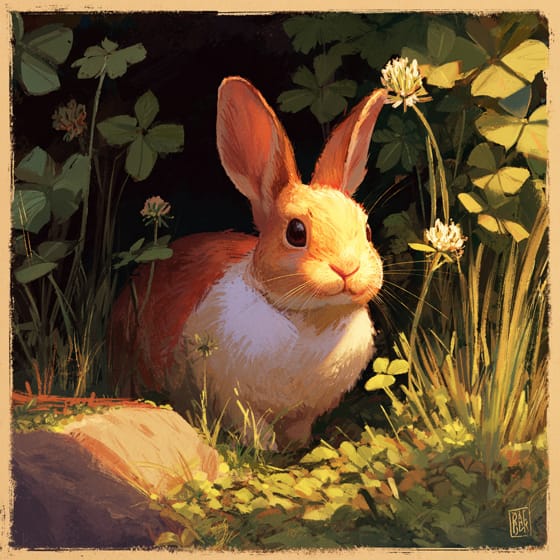
Oryctolagus cuniculus
Grazes on young Anemone plants
Deciduous plants periodically shed all their leaves, typically during autumn or dry seasons.
Cluster flowers are inflorescences where individual flowers are arranged closely together on a common stem.
Spring blooming plants produce their flowers during the spring season, often signifying the end of winter and the start of new growth.
Fragrant flowers emit a pleasant aroma, often to attract pollinators or for defense.

Grassland habitats are terrestrial biomes dominated by grasses and herbaceous plants, supporting a variety of grazing animals.
Danger
1/5 · Very low
Explore with care and ask an adult if you’re unsure what to do.
15-60 cm
15-45 cm
2-8 cm
Spring to fall
No
Mild
Perennial
Insect
Zoom in to split clusters and explore where this object has been snapped.
Recent snaps will appear here as new observations are added.