Bluegill
Lepomis macrochirus
The Bluegill is a cheerful little fish with a round shape and bright colors. They are friendly and often seen in ponds and lakes!
Habitat: Ponds and lakes
The Bluegill has a dark olive-green back that fades into a yellowish belly, often with 6-8 dusky vertical bars on its sides. Its most distinct feature is a prominent black 'ear flap' on the gill cover, which helps differentiate it from other sunfish.
Category
FishRarity
Common
Danger
2/5 · Low
Snaps
Be the first to snap!
Bluegills can change the brightness of their stripes to show off or hide from danger!
Male Bluegills are super dads, guarding their eggs fiercely until they hatch!
Their 'ear flap' is actually part of its gill cover and helps protect its delicate gills!
They sometimes hybridize with other sunfish, creating unique fish with mixed traits!
Bluegill has keen vision that helps them spot tiny insects and aquatic prey, even in murky waters.
Bluegill can dig saucer-shaped nests on lake bottoms to protect their precious eggs and young.
Bluegill has taste buds all over its mouth, helping it find yummy food even in the dark.
Bluegills munch on tiny critters, plants, and even fish eggs.
Age differences: Young Bluegills eat mostly zooplankton, while adults add bigger insects and small fish.
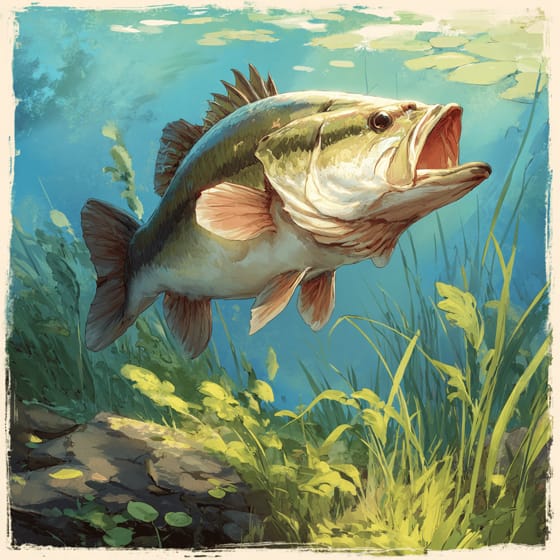
Micropterus salmoides
a top fish predator.
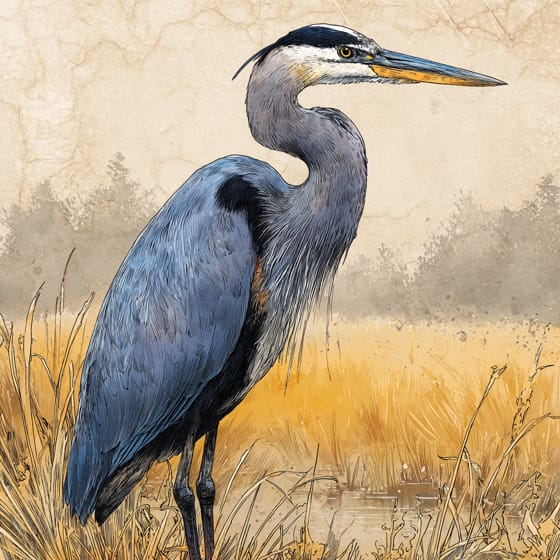
Ardea herodias
wades in shallows to spear.
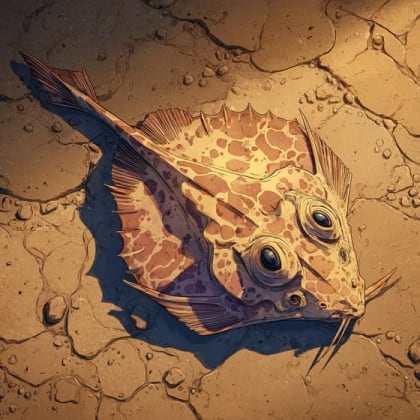
Chaoborus americanus
larvae are a favorite meal.
Wildlife encompasses all undomesticated animal and plant life existing in their natural habitats.
Social animals live in organized groups, cooperating for survival benefits such as foraging, defense, and raising offspring.
Colorful describes organisms or objects displaying a wide range of bright and distinct colors.
This trait identifies organisms whose diet primarily consists of insects and other small invertebrates.

Freshwater habitats include non-saline aquatic environments such as rivers, lakes, ponds, and wetlands, vital for numerous species.

Aquatic habitats encompass environments where organisms live predominantly in water, including oceans, rivers, lakes, and wetlands.
Danger
2/5 · Low
Watch quietly from a distance and never try to feed or chase wild animals.
10-25 cm
0.1-1.5 kg
5-10 years
Bluegills munch on tiny critters, plants, and even fish eggs.
5 km/h
Ponds and lakes
Foraging
8 m
Zoom in to split clusters and explore where this object has been snapped.
Recent snaps will appear here as new observations are added.

Tennessee, US
You might spot American Coot, Crane-Fly Orchid, and Pied-Billed Grebe.
View guide →

Louisiana, US
You might spot Ringed Teal, Kirk's Dik-Dik, and Chinchilla Lanigera.
View guide →
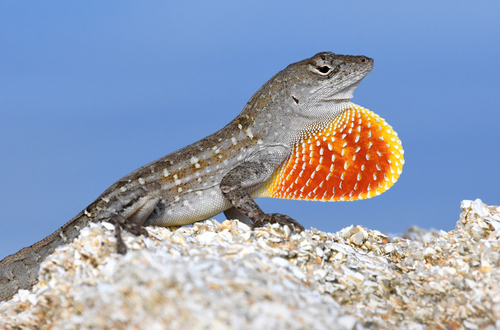
Florida, US
You might spot Brown Anole, Feather Mosses, and Carolina Willow.
View guide →
Florida, US
You might spot Oaks, Baldcypresses, and Virginia Creeper.
View guide →