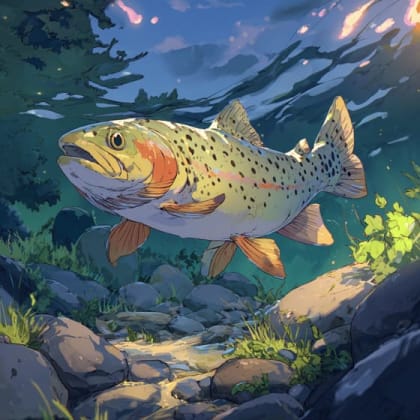
King Mackerel
Scomberomorus semifasciatus
The King Mackerel is a large, powerful fish that loves to swim in warm waters. They have a shiny, silver body and sharp teeth!
Habitat: Warm ocean waters
The King Mackerel has a sleek, torpedo-shaped body with iridescent blue-green on its back fading to silvery sides. Unlike Spanish Mackerel, adults have no spots. Its deeply forked tail and pointed snout are key features.
Category
FishRarity
Rare
Danger
2/5 · Low
Snaps
Be the first to snap!
King Mackerel migrate thousands of kilometers each year, following warm ocean waters!
Their sharp teeth can slice a fish in half with one quick, powerful bite!
These speedy fish can jump high out of the water when hunting or escaping!
Young King Mackerel don't have scales on their chest, making them uniquely sleek and smooth!
King Mackerel can swim incredibly fast because of their streamlined body and powerful tail that helps them chase down prey.
King Mackerel has razor-sharp, triangular teeth that help them slice through other fish with ease for a quick meal.
King Mackerel has a special lateral line system that helps them detect tiny vibrations in the water from prey or predators.
They are speedy hunters who love to eat other fish and squid!
Brevoortia patronus
They hunt small, schooling fish like these for food.
Sardinella aurita
A primary prey for fast-swimming King Mackerel.
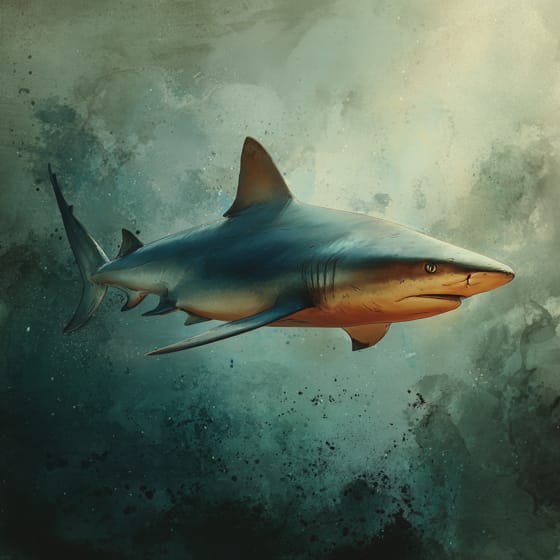
Carcharhinus leucas
Large, powerful sharks like bull sharks prey on them.
Isurus oxyrinchus
Apex predators that share their habitat and hunt them.
Wildlife encompasses all undomesticated animal and plant life existing in their natural habitats.
Colorful describes organisms or objects displaying a wide range of bright and distinct colors.
Piscivorous organisms are animals that primarily subsist on a diet of fish.
This trait identifies organisms that exhibit exceptional swiftness in movement for hunting, escape, or travel.

Aquatic habitats encompass environments where organisms live predominantly in water, including oceans, rivers, lakes, and wetlands.

Marine habitats encompass all saltwater environments of the Earth's oceans, supporting an immense diversity of aquatic life.

Migratory animals undertake seasonal movements from one region to another, typically in response to changes in climate or food availability.
Danger
2/5 · Low
Watch quietly from a distance and never try to feed or chase wild animals.
The easiest way to identify King Mackerel is to use the Snappit nature identifier app.
70-180 cm
5-45 kg
9-20 years
They are speedy hunters who love to eat other fish and squid!
75 km/h
Warm ocean waters
Pursuit
Zoom in to split clusters and explore where this object has been snapped.
Recent snaps will appear here as new observations are added.
Take the discovery with you
Snap it with Snappit to identify it, learn what makes it special, and add the discovery to your collection.