
Bristlemouth
Gonostoma
The Bristlemouth is a small, deep-sea fish with a mouth full of tiny, bristle-like teeth. It spends its days in the dark depths of the ocean, hunting for plankton and small fish.
Habitat: Deep Sea
The Bristlemouth is a small, slender fish typically dark or silvery, often with rows of glowing light organs called photophores along its belly. It has a relatively large mouth filled with tiny, sharp teeth, and its eyes can be either small or large depending on the species.
Category
FishRarity
Common
Danger
1/5 · Very low
Snaps
Be the first to snap!
Bristlemouths are the most numerous vertebrates on Earth, outweighing all wild birds combined!
Some species have transparent teeth, making them super sneaky when ambushing their tiny meals.
These tiny fish create their own light patterns to talk to each other and trick predators.
They live in perpetual darkness, where the sun's light never reaches and pressure is crushing.
Bristlemouth has special light organs that help them blend in with faint sunlight from above, making them invisible to predators below.
Bristlemouth can migrate hundreds of meters up and down the water column each day, following tiny prey to shallower waters.
Bristlemouth has a very large mouth and sharp, bristly teeth that help them ambush and catch small prey in the dark ocean depths.
These tiny deep-sea fish hunt other small animals in the dark ocean depths.
Calanus finmarchicus
actively hunts small planktonic crustaceans
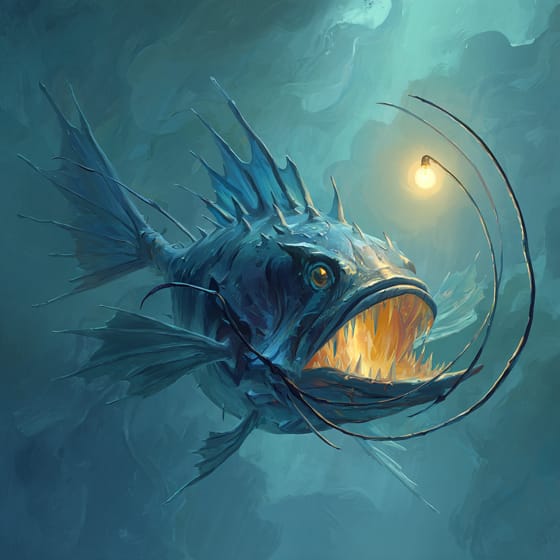
Chauliodus sloani
a common predator of bristlemouths in the deep sea
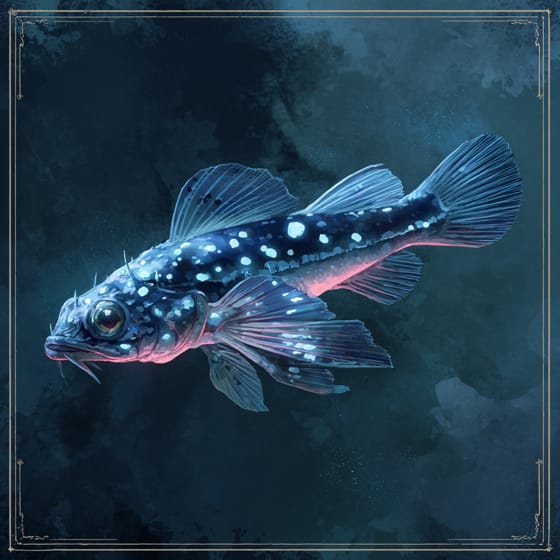
Myctophum punctatum
larger lanternfish prey on smaller deep-sea fish
Wildlife encompasses all undomesticated animal and plant life existing in their natural habitats.
Camouflaged describes organisms that possess coloring or patterns that allow them to blend into their environment.
Piscivorous organisms are animals that primarily subsist on a diet of fish.
Deep sea habitats are characterized by extreme pressure, darkness, and cold temperatures, supporting unique life forms below the sunlit zone.

Describes a species whose presence and role have a disproportionately large effect on its environment.

Aquatic habitats encompass environments where organisms live predominantly in water, including oceans, rivers, lakes, and wetlands.

Migratory animals undertake seasonal movements from one region to another, typically in response to changes in climate or food availability.

Nocturnal animals are primarily active during the nighttime hours, typically resting or sleeping during the day.
No aliases listed yet.
Danger
1/5 · Very low
Since Bristlemouths live in the deep sea, children won't encounter them. They are harmless to humans.
2-15 cm
0.001-0.05 kg
1-5 years
These tiny deep-sea fish hunt other small animals in the dark ocean depths.
1 km/h
Deep Sea
Ambush
5000 m
Zoom in to split clusters and explore where this object has been snapped.
Recent snaps will appear here as new observations are added.